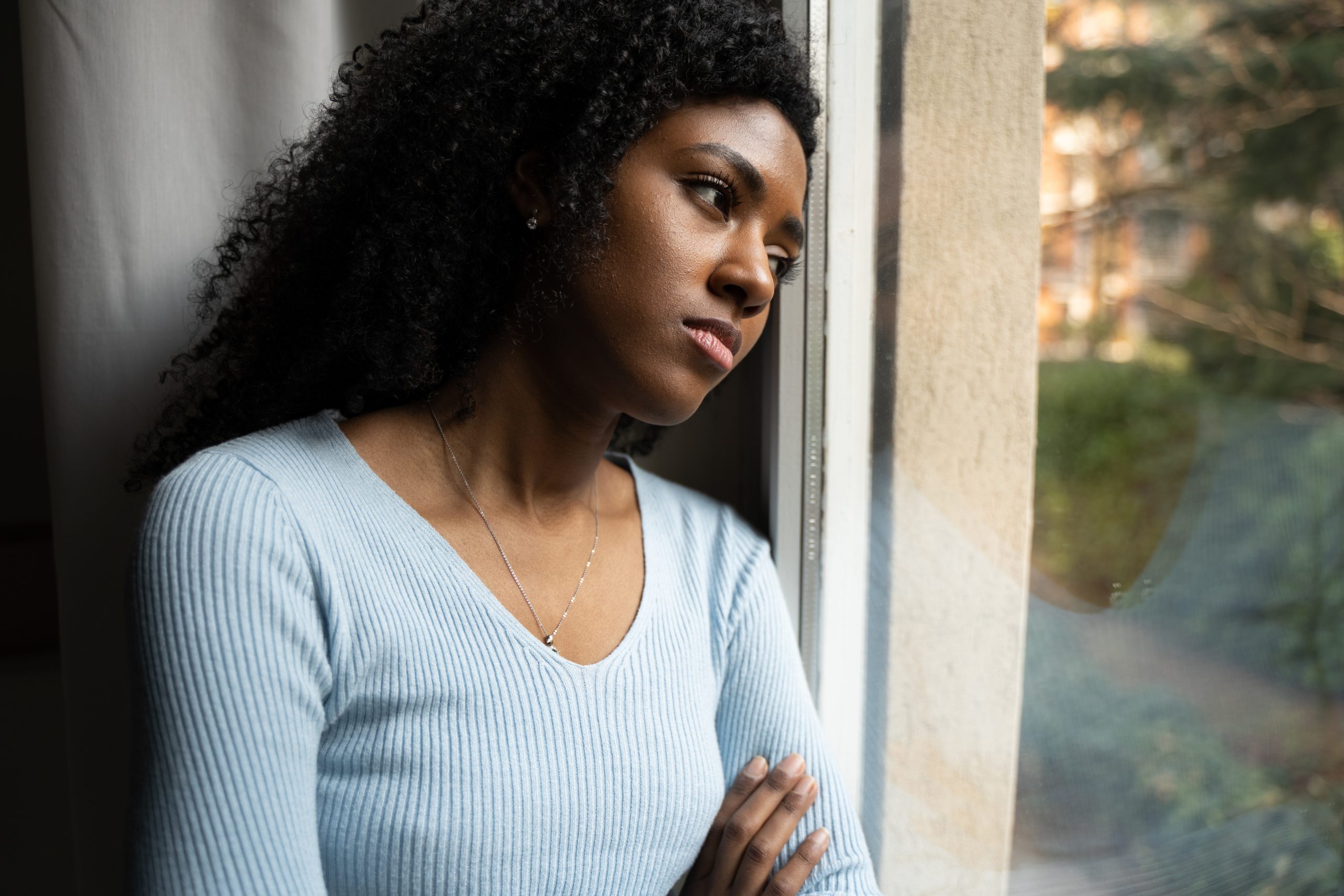
Black women are carrying businesses, families, jobs, friendships, healing journeys, and entire group chats, but too many are still being told to “just deal with it” when their bodies start waving red flags. Hormonal health is not just about periods or pregnancy. It can affect energy, mood, weight, sleep, skin, hair, fertility, sex drive, metabolism, pain, and how a person feels in their body every day. So when Black women are not having honest conversations about hormones, the silence can get expensive physically, emotionally, and medically.
The problem is that many symptoms get normalized. Heavy periods become “that is just how your cycle is.” Pain gets dismissed as cramps. Fatigue gets blamed on being busy. Hair changes get treated like a beauty issue. Mood swings get reduced to attitude. Weight changes are judged rather than investigated. Meanwhile, the body may be trying to point to fibroids, thyroid problems, perimenopause, endometriosis, PCOS, or another hormonal condition that deserves real medical attention.
Fibroids are one of the biggest reasons this conversation cannot stay quiet. The Office on Women’s Health says fibroids are muscular tumors that grow in the wall of the uterus and are almost always benign. They can cause heavy bleeding, painful periods, pelvic pressure, frequent urination, pain during sex, lower back pain, anemia, and pregnancy complications. The same federal health resource notes that African American women are more likely to develop fibroids than white women, and that fibroids are affected by estrogen and progesterone.
That matters because fibroids are not just “bad cramps.” They can change someone’s quality of life. A woman can be showing up to work, parenting, posting cute photos, and looking fine on the outside while bleeding through clothes, battling exhaustion from anemia, or silently planning her whole day around bathroom access. That is not regular. That is a reason to get checked.
Hormonal health conversations also need to include PCOS, which was recently renamed polyendocrine metabolic ovarian syndrome, or PMOS, by experts hoping to better describe how complex the condition really is. The Associated Press reported that the condition affects 1 in 8 women worldwide and is tied to hormone fluctuations that can affect metabolic health, mental health, the reproductive system, weight, and skin. Symptoms can include irregular periods, high androgen levels, severe acne, hair growth, hair thinning, and fertility challenges.
This is exactly why Black women deserve better than casual advice like “lose weight,” “drink tea,” or “try birth control” without a deeper look. PMOS can involve insulin, testosterone, ovulation, metabolism, and long-term health risks. It should not take years of being brushed off for someone to get a diagnosis.
Endometriosis is another condition that needs more conversation, especially because severe period pain is still too often treated like something women are supposed to survive. The National Institute of Child Health and Human Development says endometriosis symptoms can include pain before and during periods, pain during or after sex, heavy bleeding, infertility, digestive issues, and chronic pelvic or lower back pain. When pain is normalized, people delay care. When Black women’s pain is underestimated, the delay can be even worse.
Menopause and perimenopause also deserve a seat at the table. Too many women are prepared for puberty and pregnancy but left clueless when hormones start shifting in their 30s, 40s, and 50s. The Office on Women’s Health provides federal resources on menopause symptoms, treatment, early menopause, and health changes after menopause. But in real life, many women are still surprised by symptoms like night sweats, mood changes, sleep issues, brain fog, vaginal dryness, joint pain, anxiety, and changes in sex drive.
That lack of conversation hits Black women hard because stress, medical bias, access to care, and cultural pressure to be “strong” can all shape how quickly someone seeks help and how seriously they are taken. Black women are often expected to push through everything. But pushing through is not the same as being healthy.
Hormonal health is also connected to pregnancy and postpartum care. The CDC has pushed its Hear Her campaign to help people recognize urgent maternal warning signs and encourage pregnant and postpartum women to be heard when something feels wrong. That message matters because symptoms like severe headaches, chest pain, heavy bleeding, dizziness, swelling, and trouble breathing should never be dismissed as “normal,” especially in a country where Black maternal health disparities remain a major crisis.
Part of the issue is research, too. The Black Women’s Health Study at Boston University has followed thousands of Black women for decades to better understand health conditions affecting Black women, including uterine fibroids. Studies like this matter because Black women have historically been underrepresented in medical research while still being heavily affected by conditions that require better answers.
The solution is not fear. It is information, language, and access. Black women need to know what questions to ask: Is this amount of bleeding normal? Should I be checked for fibroids? Could my irregular periods be PMOS? Should my thyroid levels be tested? Are my mood changes connected to hormones? Is this perimenopause? Could my pain be endometriosis? What are all my treatment options besides “wait and see” or major surgery?
There also needs to be less shame. Talking about periods, discharge, fertility, sex pain, menopause, facial hair, hair loss, weight changes, and vaginal dryness should not feel like exposing family business. It is health. And when women talk, patterns become easier to spot. Someone else’s story may be the reason another woman finally books the appointment, asks for blood work, requests imaging, or gets a second opinion.
The bottom line is simple: Black women deserve care before crisis. Hormonal health conversations should not only happen after years of pain, infertility struggles, emergency room visits, or surgery. They should happen at brunch, in group chats, at checkups, in schools, at work, and in every space where Black women are told to be strong but not always reminded to be well.
Being strong should never mean suffering in silence.