

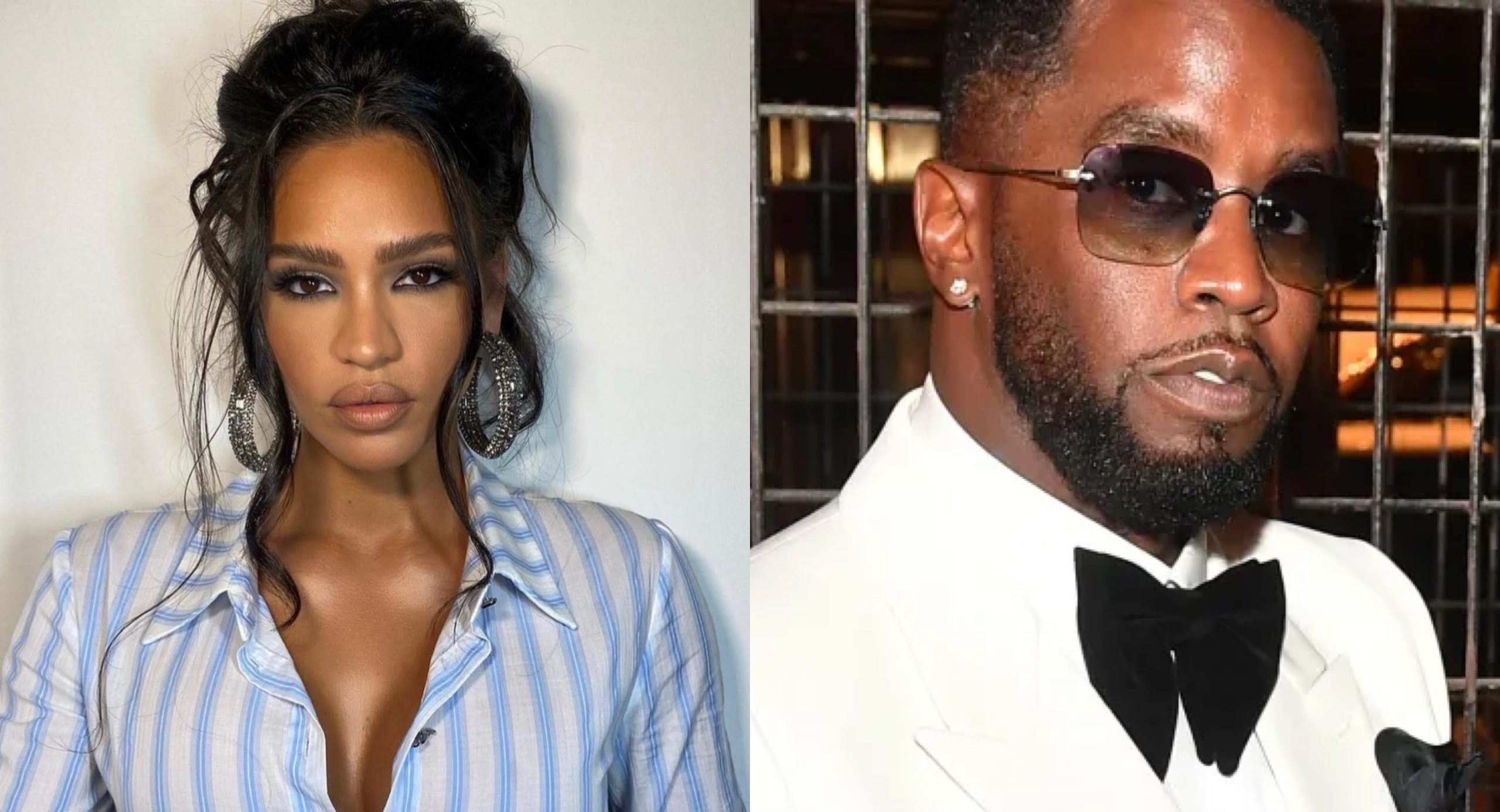
Cassie Ventura is back in the legal spotlight, but this time the courtroom posture looks completely different. The latest Cassie lawsuit drama centers on Clayton Howard, a former male escort who sued Sean “Diddy” Combs, Cassie, Bad Boy Records, and Combs-linked companies in California federal court in 2025. Now, the newest public docket activity shows Ventura has filed a motion to dismiss Howard’s Fourth Amended Complaint, meaning Cassie is no longer just the woman whose 2023 lawsuit helped spark Diddy’s legal unraveling. She is now defending herself against allegations tied to the same “freak-off” world she once described as abuse.
Cassie Is No Longer Just Part Of The Diddy Timeline
For over two years, Cassie’s name has been central to the public understanding of Diddy’s legal collapse. In November 2023, she filed a federal lawsuit accusing Combs of years of abuse, rape, coercion, and forcing her into sexual encounters with other men. Combs’ attorney at the time said he “vehemently denies” the allegations. The case settled one day after it was filed, with Cassie saying, “I have decided to resolve this matter amicably on terms that I have some level of control.”
That lawsuit did not stay contained to civil court. It became the opening chapter in a much larger public and legal reckoning. Federal prosecutors later charged Diddy with racketeering conspiracy, sex trafficking, and transportation to engage in prostitution, alleging he used his business empire to abuse, threaten, coerce, and exploit women and others. Diddy denied all wrongdoing.
The New Lawsuit Puts Cassie On The Other Side Of The Caption
Howard’s case flips the frame. Public docket records show Howard filed Clayton Howard v. Sean Combs et al. in the Central District of California on June 30, 2025. The named defendants include Sean Combs, Cassandra Ventura, Bad Boy Records, and Combs Enterprises, LLC. The case is assigned to U.S. District Judge Anne Hwang, and the docket lists the cause of action as a federal question case.
The lawsuit accuses Cassie and Combs of wrongdoing connected to sexual encounters Howard says involved coercion, exploitation, and harm. Reporting on Howard’s filings states that he alleges he was trafficked, drugged, and manipulated, and that Cassie played an active role. He also alleges she gave him an STD and terminated a pregnancy without his knowledge. Those are allegations, not findings of fact, and Cassie has not been found liable for Howard’s claims.
How Cassie Ended Up In This Legal Storm
The short version is simple: Howard says he was not just a background figure in the Diddy case. He says he was harmed inside it.
According to reporting on his lawsuit and related filings, Howard claims his involvement began around 2009 and continued for years through sexual encounters tied to Combs and Ventura. That timing matters because Cassie’s own lawsuit and later testimony also focused on the years she spent in Combs’ orbit, including the “freak offs” that became a major part of the criminal trial. Cassie testified she felt compelled by the mogul to participate in lengthy sexual encounters involving male sex workers and said Combs assaulted her during their turbulent relationship.
So, Cassie ended up in Howard’s legal drama because Howard is trying to recast those same events from his perspective. Where Cassie has said she was abused and coerced by Combs, Howard is alleging that he was also exploited and that Cassie was not merely a victim in his story. That is the tension driving the case, and it is also what makes the legal stakes so messy.
The Service Fight Made The Case Even Messier
Before Cassie’s lawyers could fully fight the claims, Howard first had to serve her. The docket shows the court initially denied Howard’s motion for alternate service without prejudice in November 2025. Then, on December 2, 2025, Judge Hwang granted Howard’s renewed request, allowing him to serve Ventura by emailing the summons, complaint, and order to attorneys Douglas Wigdor and Meredith Firetog with instructions to forward the materials to her.
Days later, attorney Melodie Han of Wigdor LLP appeared as counsel for Cassandra Ventura. That detail matters because Wigdor LLP also represented Cassie in her 2023 lawsuit against Combs. By mid-December, Howard filed proof of service stating Ventura had been served through her attorneys, and the case moved forward into amended complaints and response deadlines.
Cassie’s Motion To Dismiss Is The Latest Flashpoint
The latest publicly indexed CourtListener result says Ventura filed a notice of motion and motion to dismiss Howard’s Fourth Amended Complaint. That is the key development. Cassie’s side is trying to stop the case before Howard’s allegations move deeper into litigation, discovery, and potentially depositions.
That filing does not mean Howard’s case is over. It means Cassie is challenging whether his complaint legally states claims that can move forward against her. If the judge grants the motion, some or all claims against her could be dismissed. If the judge denies it, Howard’s lawsuit could keep climbing into a much more uncomfortable phase.
The Netflix Fight Turned The Lawsuit Into A Narrative War
Howard’s legal campaign did not stop with Cassie and Combs. In January 2026, he also sued Netflix and Curtis “50 Cent” Jackson over the docuseries “Sean Combs: The Reckoning,” claiming the project distorted his account. TheWrap reported that Howard alleged the series concealed his testimony against Ventura and Combs and portrayed Cassie as a victim instead of someone he claims was an accomplice and “primary trafficker.”
That separate lawsuit is important because it shows Howard is not only fighting for damages. He is fighting over the public version of the story. Digital Music News reported that Howard claims the documentary misrepresented his account through selective editing and is seeking $20 million in damages tied to reputational, emotional, and financial harm.
Diddy’s Verdict Did Not End The Legal Fallout
Combs’ criminal case ended with a split verdict, and that split is still shaping the civil cases around him. In July 2025, a jury acquitted Combs of racketeering conspiracy and sex trafficking charges but convicted him on two prostitution-related counts. Reuters reported that the trial focused on allegations that Combs forced former girlfriends, including Cassie, to participate in drug-fueled sexual performances with male sex workers while he watched, recorded, or filmed.
In October 2025, Combs was sentenced to 50 months in federal prison on the prostitution-related conviction. Judge Arun Subramanian imposed the sentence after prosecutors sought more than 11 years and Combs’ lawyers pushed for a much shorter term.
That verdict gave both sides something to point to. Combs was cleared of the most serious federal charges, but he was still convicted. Cassie’s side can point to her role in bringing the alleged abuse into public view. Howard can point to the same sexual encounters and argue that his own alleged harm deserves to be heard separately.
Why This Cassie Lawsuit Could Rankle The Public Conversation
The reason this case is catching attention is not just because Cassie is famous or because Diddy is involved. It is because Howard’s lawsuit challenges the cleanest version of the public narrative.
Cassie’s 2023 lawsuit positioned her as a survivor speaking publicly after years of silence. Her testimony later became one of the emotional centers of Combs’ criminal trial. Howard’s case now asks the court to consider a different claim: that someone connected to those encounters says he was harmed too, and that Cassie should answer for it.
That does not mean Howard’s claims are proven. It also does not erase Cassie’s allegations against Combs, her testimony, or the criminal conviction that followed. However, it does mean the legal story has entered a more complicated phase, where multiple people are trying to define what happened inside the same private world.
The Big Question Now Is Whether Howard’s Claims Survive
For now, the biggest issue is procedural but powerful: will Howard’s Fourth Amended Complaint survive Cassie’s motion to dismiss? If it does, the case could bring more filings, more legal arguments, and possibly deeper scrutiny of events that were already dissected in Combs’ criminal trial. If it does not, Cassie may be able to narrow or escape this chapter before it becomes another full-blown legal spectacle.
Either way, the irony is loud. Cassie’s original lawsuit helped pull the curtain back on Combs’ alleged private world. Now, a man who says he was inside that world is trying to pull Cassie into his own version of the reckoning.
