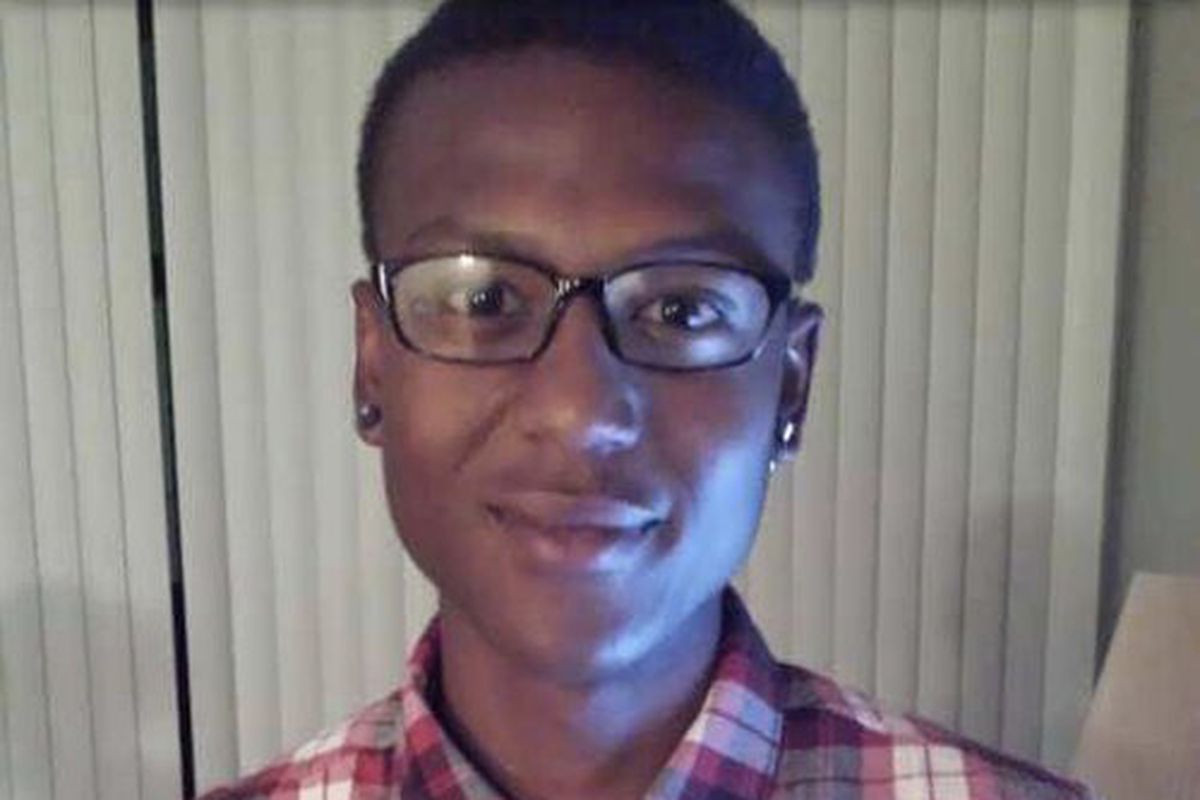
The Colorado Court of Appeals tossed the criminally negligent homicide convictions of the two paramedics who injected him with ketamine, ordering new trials over how the jury was instructed. The convictions in Elijah McClain’s death did not survive the appeal. On Thursday the Colorado Court of Appeals reversed the criminally negligent homicide convictions of the two former Aurora paramedics who injected the 23 year old with ketamine the night police stopped him walking home, and ordered new trials.
For a family that waited years for any measure of accountability, the ruling landed like the floor giving out.The court did not call the men innocent, and the details matter. It faulted the instructions the jury received on the criminally negligent homicide charge before deliberating, and on that basis it sent the charge back to a lower court for a possible retrial of Jeremy Cooper and Peter Cichuniec. The judges left Cichuniec’s separate second degree assault conviction, for the unlawful administration of drugs, in place. On paper the reversal is narrow. In the chest it is enormous.
Sheneen McClain, who carried her son’s case when almost no one else would, who took flowers to the roadside where he was first detained and held vigils alone before the country knew his name, called the decision corrupt and cowardly in a post on Thursday. It is hard to read the words any other way when you know what she has already lost and how long she fought to see anyone held responsible.
For anyone who needs the timeline, this goes back to August 2019 in Aurora, Colorado. McClain, a 23 year old massage therapist, was walking home from a convenience store when officers stopped him over a suspicious person call. They forcibly restrained him and put him in a neck hold, and paramedics then injected him with a heavy dose of ketamine to sedate him. He went into cardiac arrest in the ambulance within minutes and died three days later. His final words, I can’t breathe, would echo through the streets a year later after George Floyd, and his name became one of the defining rallying cries of 2020.
Charges against paramedics in a police custody death are rare, which is part of why the December 2023 convictions felt like history when they came down. Even before Thursday, that accountability had been thinning out. Cichuniec’s five year prison sentence was cut to probation in 2024 and he was released early, and Cooper never served prison time at all. Now the homicide piece of the case has been pushed back to where it started.
Colorado Attorney General Phil Weiser, whose office took the case after a local prosecutor declined to bring charges, said he stands by the decision to prosecute and intends to fight, vowing to ask the state Supreme Court to undo the opinion. He said a jury convicted two paramedics for the death of an innocent Black man who did nothing wrong that night.
Whether that conviction is ever restored now runs through a higher court, while a mother who already buried her son waits to learn if the one piece of justice she won is going to hold.