

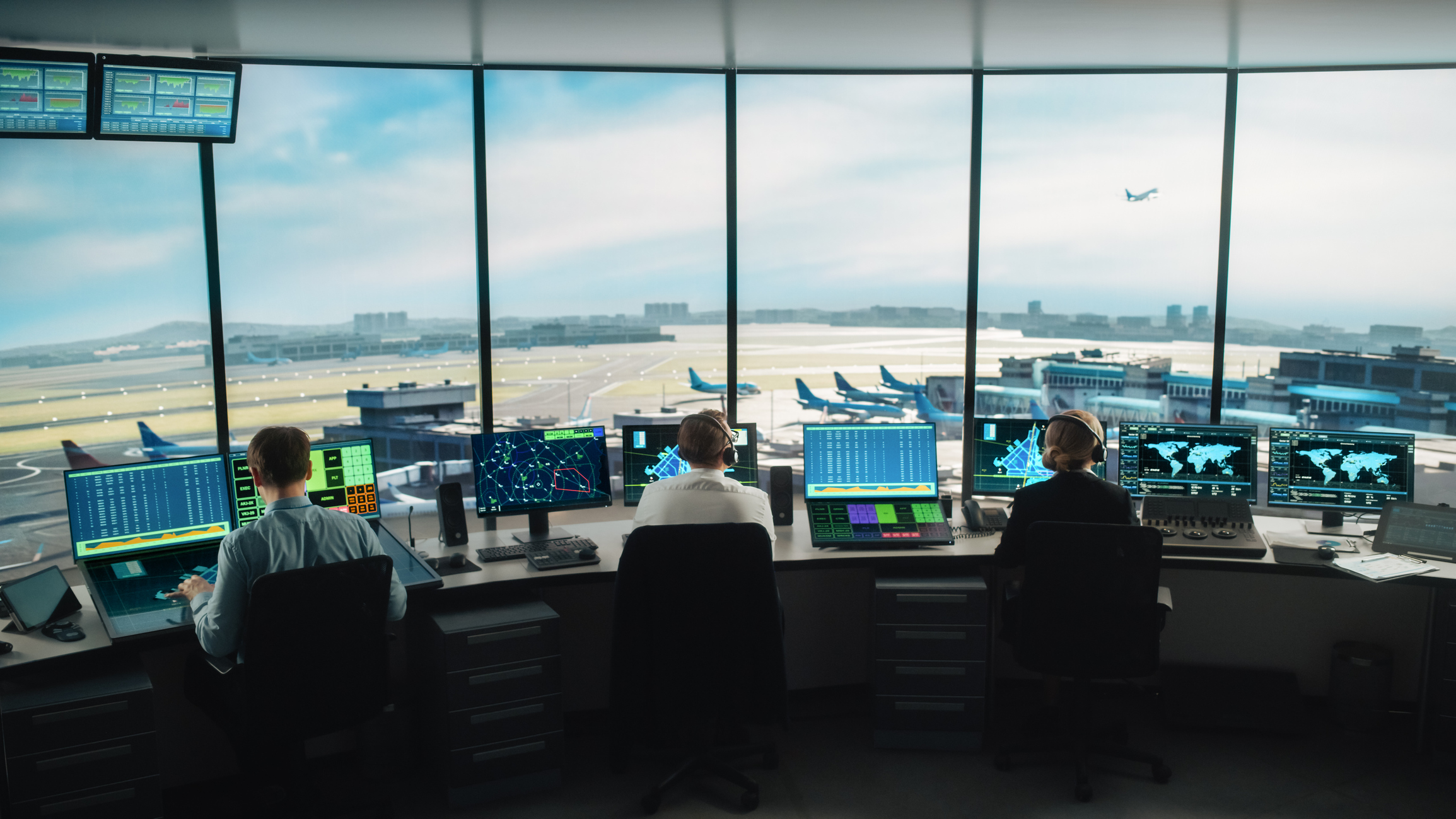
The federal government shutdown is starting to take a serious toll on the nation’s airports, and travelers are already feeling the effects. Across the country, air traffic control centers and TSA checkpoints are being pushed to their limits as thousands of employees continue working without pay. Delays are stacking up, staffing is thinning, and passengers are getting caught in the middle of a crisis that’s only getting worse by the day.
According to reports from Reuters and The Guardian, hundreds of flights have been delayed this week as the shutdown stretches into another week with no end in sight. Airports in cities like Newark, Denver, Phoenix, Las Vegas, and Burbank have been among the hardest hit. In some cases, air traffic control towers have been left understaffed, and at least one airport in California reportedly went hours without an on-site controller, forcing remote operations to keep flights moving safely.
Air traffic controllers and TSA agents are classified as “essential workers,” which means they are required to show up for duty even when the government isn’t paying them. That has created a wave of frustration and fatigue among federal aviation employees who are being asked to protect public safety with no paycheck in sight. Unions representing these workers have confirmed that some employees are calling in sick, refusing overtime, or quitting shifts altogether, adding more stress to an already strained system.
Transportation Secretary Pete Buttigieg acknowledged the growing problem this week, saying the shutdown is putting “unnecessary pressure” on an already short-staffed workforce. Without enough controllers, each remaining worker is managing more planes per shift, increasing the risk of burnout and operational slowdowns. Several industry groups have warned that if the shutdown continues, the system could experience a domino effect that leads to widespread cancellations.
For passengers, the situation is turning what was once a routine travel day into an unpredictable experience. Lines at security checkpoints are getting longer as TSA workers struggle to cover shifts. Delays are creeping into schedules, with travelers waiting on the tarmac for takeoff clearances that are coming slower than usual. Airlines have started quietly adjusting flight schedules to cope with the lack of personnel, while some carriers are warning that cancellations could increase if the political standoff continues much longer.
Behind the scenes, the shutdown has also frozen critical work by the Federal Aviation Administration, halting air traffic controller training, new certification processes, and ongoing modernization projects. That means the system isn’t just strained today but could face long-term setbacks once the government finally reopens.
The aviation industry has been here before. During the 2019 shutdown, unpaid air traffic controllers caused delays across major airports and contributed to a ripple effect that hurt tourism and business travel. Many are warning that history is repeating itself and that the longer the standoff lasts, the greater the impact will be on the country’s already fragile transportation network.
For now, planes are still flying, but the stress behind the scenes is growing. The people who keep America’s airways safe are doing their jobs under enormous pressure and with no guarantee of when they’ll be paid again. Travelers are being told to check flight statuses frequently, arrive early, and be patient as the shutdown drags on.
What began as a political stalemate in Washington is now becoming a national travel headache, and if things don’t change soon, the entire system could be grounded by frustration, exhaustion, and unpaid labor.
