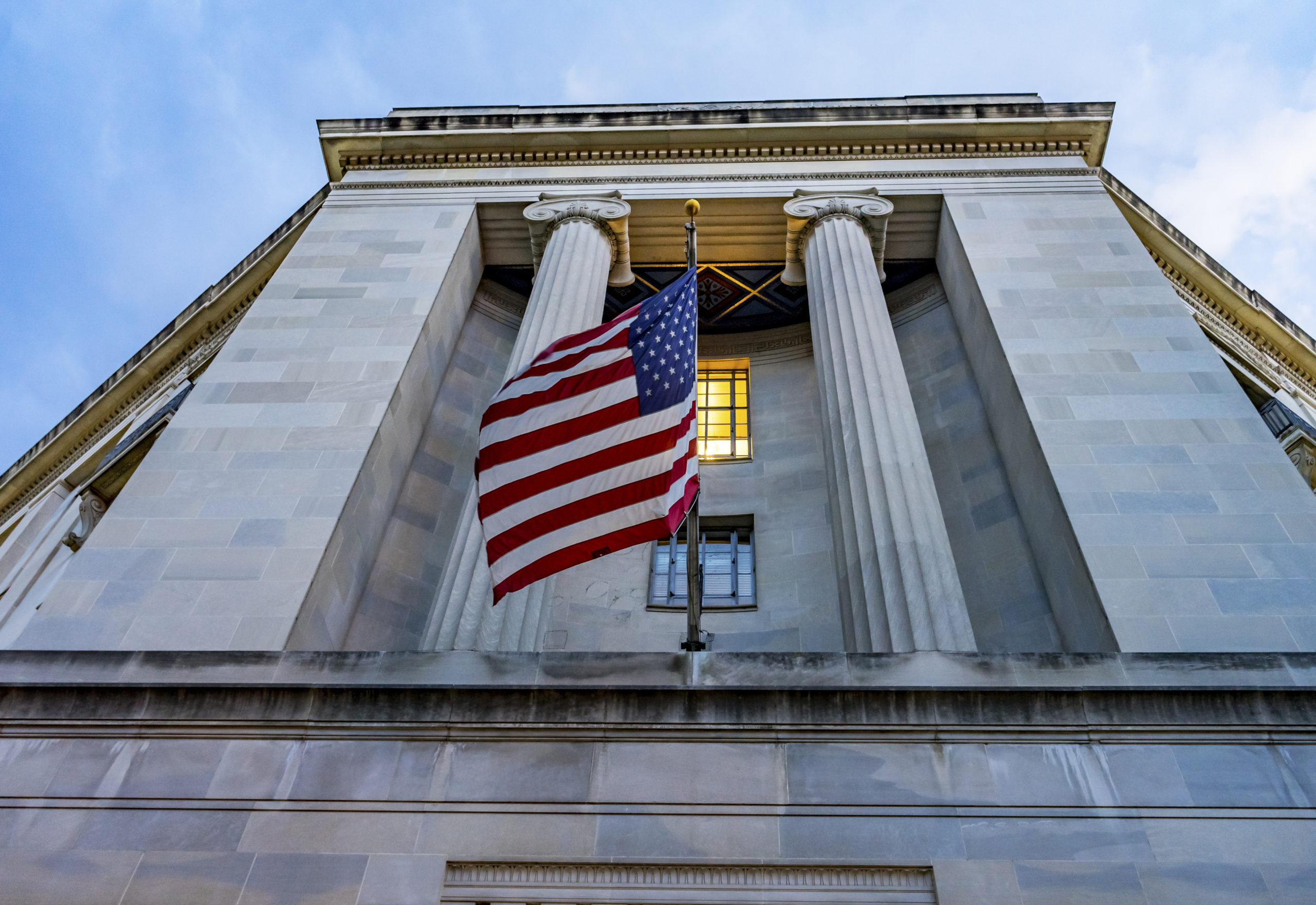
The Justice Department has filed a complaint against Texas following their strict vote-by-mail limitations.
In September, Governor Greg Abbott signed Texas Senate Bill 1, prohibiting officials from sending unsolicited mail-in ballot applications and introducing additional identification requirements. The bill also bans drive-through and 24-hour voting precincts, limits early voting, and places unreasonable restrictions on who can assist disabled and language-challenged voters.
Critics have slammed the bill as a means of voter suppression in the Republican-run state. Rules such as these have been implemented in other states who criticized the vote-by-mail system following Trump’s 2020 defeat. Mail-in ballots saw an increase in popularity last year as the election took place during the same time as the devastating COVID-19 pandemic.
The DOJ’s lawsuit directly aims at the restrictions on disabled voters and those who struggle with reading and writing.
“The challenged provisions will disenfranchise eligible Texas citizens who seek to exercise their right to vote, including voters with limited English proficiency, voters with disabilities, elderly voters, members of the military deployed away from home, and American citizens residing outside of the country,” the complaint reads.
After news broke of the DOJ’s lawsuit against the state, the official Twitter account for Texas Attorney General Ken Paxton announced that they will, in turn, be suing the Biden administration over the COVID-19 vaccine mandate.
On his personal Twitter account, Paxton wrote, “I will see you in court, Biden! #ElectionIntegrity.”
Abbott also put his Twitter fingers to use, telling the president to “bring it,” and defended the bill.
“It does restrict illegal mail ballot voting. Only those who qualify can vote by mail. It also makes ballot harvesting a felony. In Texas it is easier to vote but harder to cheat,” he wrote.
This latest exchange of lawsuits comes as the Biden administration and Texas remain embroiled in a complex legal battle over the state’s abortion ban, which prohibits pregnancy termination if a fetal heartbeat is detected.