

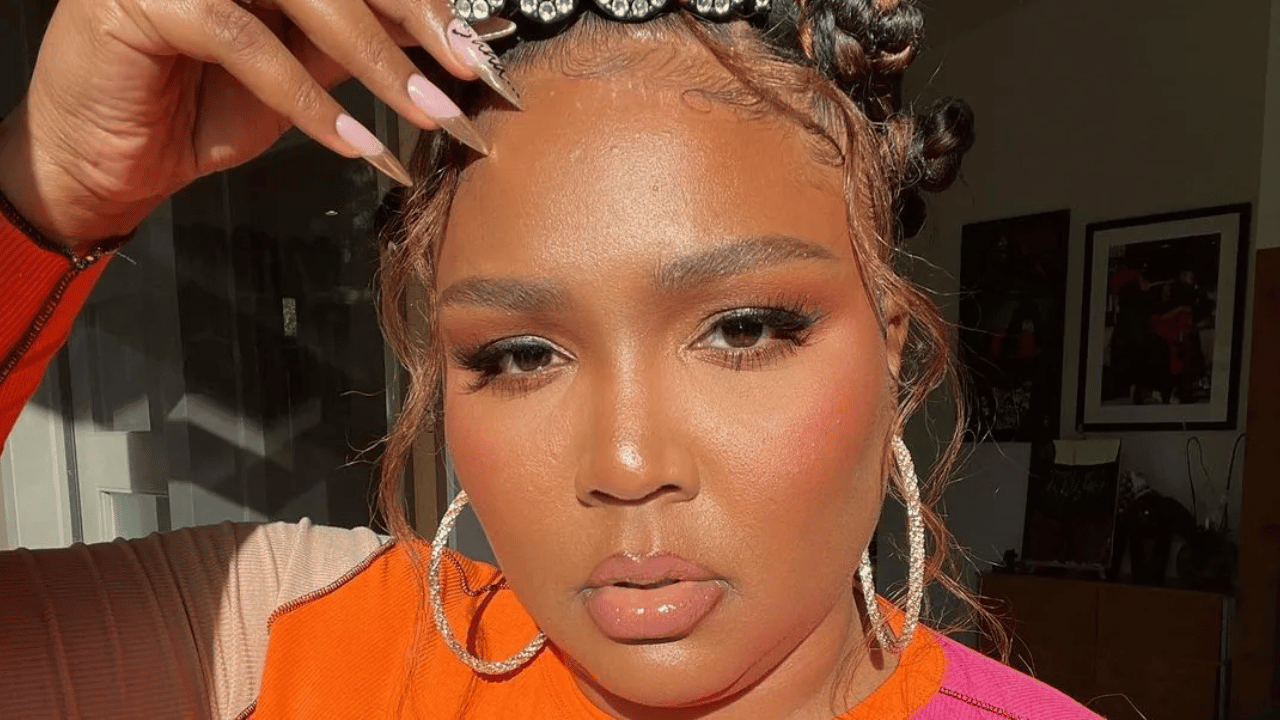
Lizzo weight gain became a fresh topic of conversation after the singer revealed that she has gained 20 pounds since last year. Instead of treating the change like a confession or setback, the performer made it clear that she expects her body to evolve as her health, routines, and life change.
Lizzo discussed her body and wellness journey during a new interview with The Guardian. She explained that there “are a lot of reasons” she began focusing more closely on her wellness in 2023.
“People always want to make it one single headline, one single thing. A lot of things can be true at once,” she said.
That distinction matters. Celebrity transformations are often reduced to before and after photos, dramatic numbers, or speculation about what someone did to change their appearance. Lizzo described a more complicated reality involving physical discomfort, emotional space, personal habits, and the parts of her life she could control.
“I was in a place where my physical weight was causing joint pain and aches. I also got to the point where I came off the internet, and all I had was the studio and my thoughts,” she explained. “So I poured myself into the things I could control. My body, my lifestyle. My routines and habits. So, yeah, both of those things are true. And this is who I am today.”
The singer directly acknowledged her recent change, adding, “I’ve gained 20 pounds since last year, so everyone can ask me about weight gain, too, if they’d like,” she said.
Lizzo previously announced that she had reached a personal weight goal in January 2025, but she never promised that her body would remain at one exact number. She had already addressed the possibility that her size could change as her choices and circumstances changed.
“Will my body fluctuate from this size? Will I get a little smaller depending on some of the choices I make or a little bigger, depending on some of the choices I make in my life? Yes, I’m used to fluctuating.”
Her remarks also exposed a familiar double standard. Black women in entertainment are routinely expected to explain their bodies. Weight loss creates accusations that someone has abandoned body acceptance. Weight gain creates concern trolling, jokes, and assumptions about discipline. Remaining the same does not protect women from criticism either, because their appearances are still treated as public property.
Lizzo said those pressures operate as something much larger than individual comments.
“There’s a system of oppression that is constantly putting pressure on, especially women and especially women in the spotlight. And that system is unrelenting, and it is determined to make you feel s— about yourself. And it won’t stop until you’ve bought every product and you’ve bought into every lie and turned it in on yourself.”
“That system is working at an all-time high right now,” she continued. “What worries me is the effect it’s having on the people it’s oppressing. We need to criticize the system and the mediums that are doing this and not the people it’s affecting because those people are human beings having a human experience. We should have grace and love and support for them.”
Her point becomes especially relevant when ordinary weight fluctuations are treated as evidence that a person has failed. According to the Cleveland Clinic, body weight can move within a range of several pounds from one day to another. Water retention is one of the most common explanations, but digestion, sodium, carbohydrate intake, constipation, physical activity, hormones, stress, medication, and changes in routine can also affect the scale.
A temporary increase does not necessarily represent an increase in body fat. Food and beverages have weight while the body processes them. Strength training can change muscle mass and inflammation. Menstrual cycle changes can cause bloating and water retention. Per the Cleveland Clinic’s guidance on menstrual weight changes, fluctuating hormones, water retention, comfort eating, and reduced activity can all contribute to temporary changes around a period.
The Lizzo weight gain discussion can also create room for a more informed conversation about Black women’s health without suggesting that every Black woman shares the same body or medical experience.
According to the federal Office on Women’s Health, thyroid disease can affect metabolism and cause weight gain or weight loss. Women are more likely than men to experience thyroid disorders, particularly after pregnancy and menopause. The agency also identifies weight gain or difficulty losing weight as a possible symptom of polycystic ovary syndrome, a hormonal condition that may also involve insulin resistance and irregular periods.
Age can bring additional changes. Lower estrogen, a slower metabolism, reduced activity, and age-related muscle loss can contribute to weight gain during and after menopause. The agency also notes that inadequate sleep and certain medications prescribed for depression, diabetes, high blood pressure, or sleep problems can affect weight.
These biological factors exist alongside structural realities. Federal health data published by the National Institute of Diabetes and Digestive and Kidney Diseases shows that Black women have experienced a disproportionately high prevalence of obesity. That disparity should not be framed as a failure of Black women. Access to health care, neighborhood resources, safe places for activity, work schedules, economic conditions, chronic stress, and discrimination can all shape health over time.
A prospective study from the Black Women’s Health Study, available through PubMed, found an association between reported experiences of racism and greater weight gain among Black women. The researchers concluded that racism related stress may contribute to the unequal burden of obesity. The findings do not mean discrimination determines one person’s weight, but they challenge the lazy assumption that body size is simply a reflection of willpower.
Lizzo also connected appearance-based criticism to a broader online culture that rewards cruelty.
“We live in a culture where everybody is racing to get the top comment, and the most hurtful comment wins. We’re in a business of hurting each other,” she said.
“I think everybody was so careful about the way we spoke about others, and everybody was holding people accountable for the last few years, and now the pendulum has swung in the opposite direction. Being cruel is trendy and acceptable,” Lizzo continued. “And I think we’re seeing it at the top of our society, from the leaders, all the way down to comment sections. We’re seeing cruelty at an all-time high.”
Health cannot be diagnosed from a photo, and a scale does not reveal a person’s complete physical or emotional condition. Sudden or unexplained changes may deserve a conversation with a medical professional, but normal fluctuation does not require public approval.
Lizzo’s message is ultimately bigger than 20 pounds. Black women deserve access to informed, compassionate health care without being forced to turn every changing curve, dress size, or number on a scale into an explanation for strangers.
