

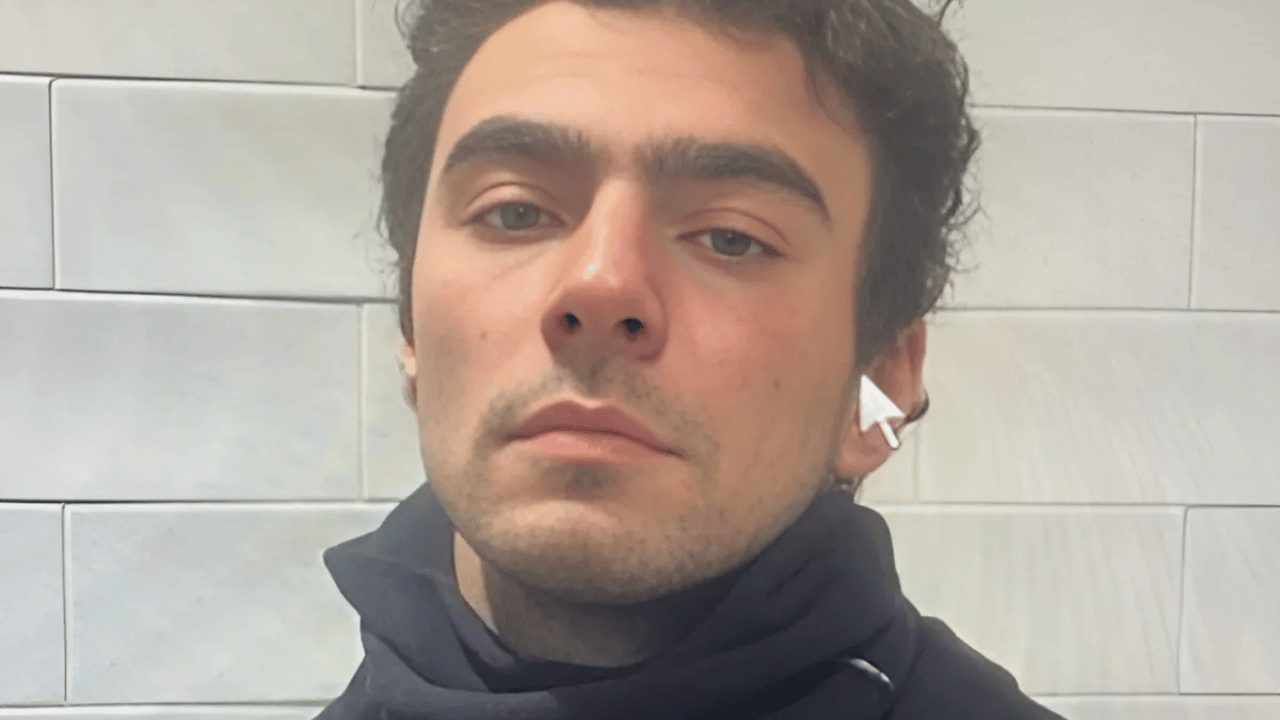
Luigi Mangione’s upcoming murder trial just took a sharp legal turn, and the strategy now centers on his state of mind when UnitedHealthcare CEO Brian Thompson was killed. Thedefense will argue that he was suffering from “extreme emotional disturbance at the time of the occurrence,” Acting New York Supreme Court Justice Gregory Carro said Wednesday.
Mangione, 28, has pleaded not guilty in the December 4, 2024, killing of Thompson, who was shot outside a Manhattan hotel while heading to UnitedHealth Group’s annual investor conference. Police say ammunition found in the case had “delay,” “deny” and “depose” written on it, language tied to criticism of insurance claim practices. Mangione was arrested five days later at a McDonald’s in Altoona, Pennsylvania.
Now, his lawyers are making a calculated move. Extreme emotional disturbance is not the same as an insanity defense. Under New York’s jury instructions, it does not erase responsibility for a homicide. Instead, if proven by a preponderance of the evidence, it can reduce murder to manslaughter in the first degree. New York law also describes the defense as a mitigating circumstance that reduces murder to manslaughter.
That distinction matters. Mangione’s attorney, Karen Friedman Agnifilo, fought the unsealing of records tied to the psychiatric defense because, she argued, “this defense is not available federally” and could prejudice his federal case involving the same facts. Carro said the sealing initially gave the defense time to decide whether it would move forward with the strategy.
The defense has history in major New York cases. In Patterson v. New York, the U.S. Supreme Court upheld New York’s rule requiring a defendant to prove extreme emotional disturbance by a preponderance of the evidence. In People v. Casassa, New York’s highest court said the defense can apply to a series of events, not just one sudden trigger, but still rejected it where the court found the defendant’s explanation was not reasonable.
Carro has also ruled that prosecutors may use a 3D-printed pistol and a notebook they say link Mangione to the killing. According to AP, prosecutors say the notebook described wanting to “wack” a health insurance executive and rebelling against “the deadly, greed fueled health insurance cartel.” However, Carro dismissed a charge tied to a gun magazine after ruling it inadmissible because of the initial backpack search.
Mangione’s state trial is set for September 8. His federal case remains separate, and Reuters reported he could still face life without parole if convicted on the remaining federal stalking charge.
