

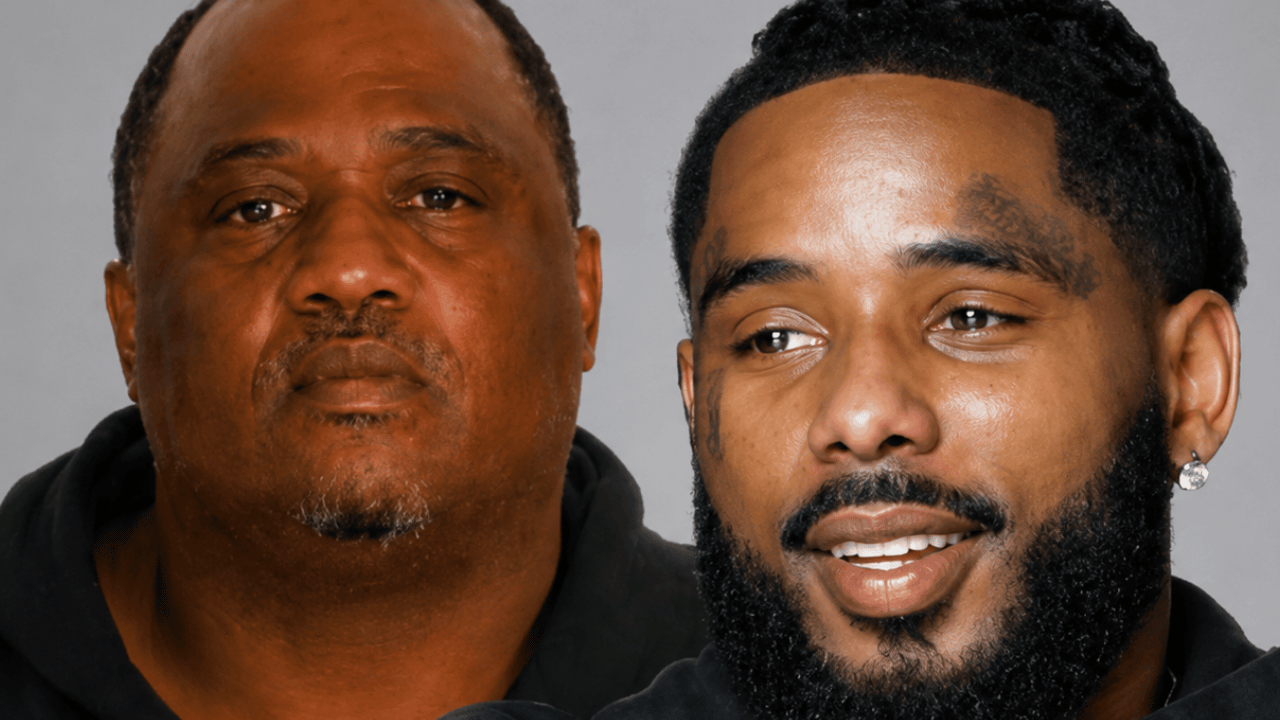
Lontrell Williams is at the center of a striking contrast in federal pretrial supervision after a judge rejected his request to visit income producing properties while recently approving controlled recording studio trips for co-defendant Big30. Williams must remain under home incarceration as he awaits trial alongside his son, Memphis rapper Pooh Shiesty, and seven other defendants in a closely watched federal kidnapping case.
Court records show that Williams asked the court to modify his release terms so he could “travel within the Western District of Tennessee for work purposes.” His motion explained that he “owns, manages, and is renovating more than eight properties in the Memphis area” and argued that “it has proven extremely difficult to manage the properties and complete the necessary work without being able to leave his home.”
Williams described those properties as his “sole source of income on which [he] relies to support his family and pay legal fees.” The argument placed more than ordinary business convenience before the court. Lontrell Williams maintained that the restrictions were affecting his ability to earn money, oversee renovations and cover expenses connected to a major federal prosecution.
Judge David L. Horan was not persuaded that the existing restrictions should be loosened. Horan ruled that home incarceration remained the “least restrictive combination of conditions that will reasonably assure Williams’s appearance as required and the safety of any other person and the community.” The decision keeps Williams confined to his approved Memphis residence except under limited circumstances authorized by the court.
Federal prosecutors also opposed the request. The government argued that Williams “has not identified any material changes in circumstance that alleviates the concerns that warranted home incarceration in the first place.” Prosecutors also questioned why Williams could not supervise renovation work “from his home, via telephone, or using the internet.”
The denial becomes more notable when compared with the ruling issued for Big30, whose legal name is Rodney Wright Jr. According to a separate report, Horan approved Wright’s request to attend recording sessions and music production meetings in Memphis. Wright must obtain advance approval for every visit and provide the studio address, his scheduled hours and the names of everyone expected to attend. He also remains prohibited from contacting his co-defendants.
That difference may have less to do with whether music deserves special treatment and more to do with the scope of each proposal. Big30’s attorneys requested a tightly defined “controlled, employment-specific exception” that kept his location monitoring, drug testing and other restrictions intact. Lontrell Williams sought permission to travel throughout the Western District of Tennessee for property related work, which prosecutors portrayed as broader than a series of individually approved appointments.
Williams is currently subject to what his release documents describe as a “24-hour-a-day lock-down” at his residence. The order permits exceptions for medical necessities, court appearances and other approved “activities.” Although the court will not allow him to travel among his Memphis properties, Williams can travel to Texas with authorization from pretrial services to meet with his attorneys.
The restrictions stem from allegations surrounding a January 10 meeting at a Dallas recording studio. According to the United States Department of Justice, prosecutors allege that Pooh Shiesty, whose legal name is Lontrell Williams Jr., arranged a meeting with three music industry professionals to discuss his recording contract. The government claims the meeting became a coordinated armed takeover after the visitors entered the studio.
Prosecutors allege that Pooh Shiesty displayed an AK style pistol and forced one victim to sign a contract release while other participants displayed weapons and took watches, jewelry, cash and additional valuables. The department alleges that Lontrell Williams helped plan and carry out the incident and rented a vehicle used by members of the group. All of the allegations remain unproven, and every defendant is presumed innocent unless convicted.
Recently unsealed materials have provided additional details about the prosecution’s evidence. Prosecutors say surveillance images appear to show Williams holding what authorities believe was a contract release form. Court documents cited by the station also allege that he printed the document at a nearby office supply store before the studio meeting. Defense attorneys will have an opportunity to challenge that evidence in court.
The length of the wait for trial makes the dispute over employment access especially significant. According to KERA News, the trial was moved from July 2026 to February 22, 2027, after Pooh Shiesty’s attorneys requested more time to examine approximately 96 gigabytes of discovery, which they estimated represented about 14,000 pages of material, along with videos and audio.
Unless the order changes, Lontrell Williams could spend the coming months directing his real estate projects through calls and online communication while preparing for trial from home. The ruling does not decide his guilt, but it demonstrates how detailed conditions, proposed destinations and perceived risks can determine whether a defendant is allowed to keep working outside the house while a federal case moves slowly toward a jury.
