

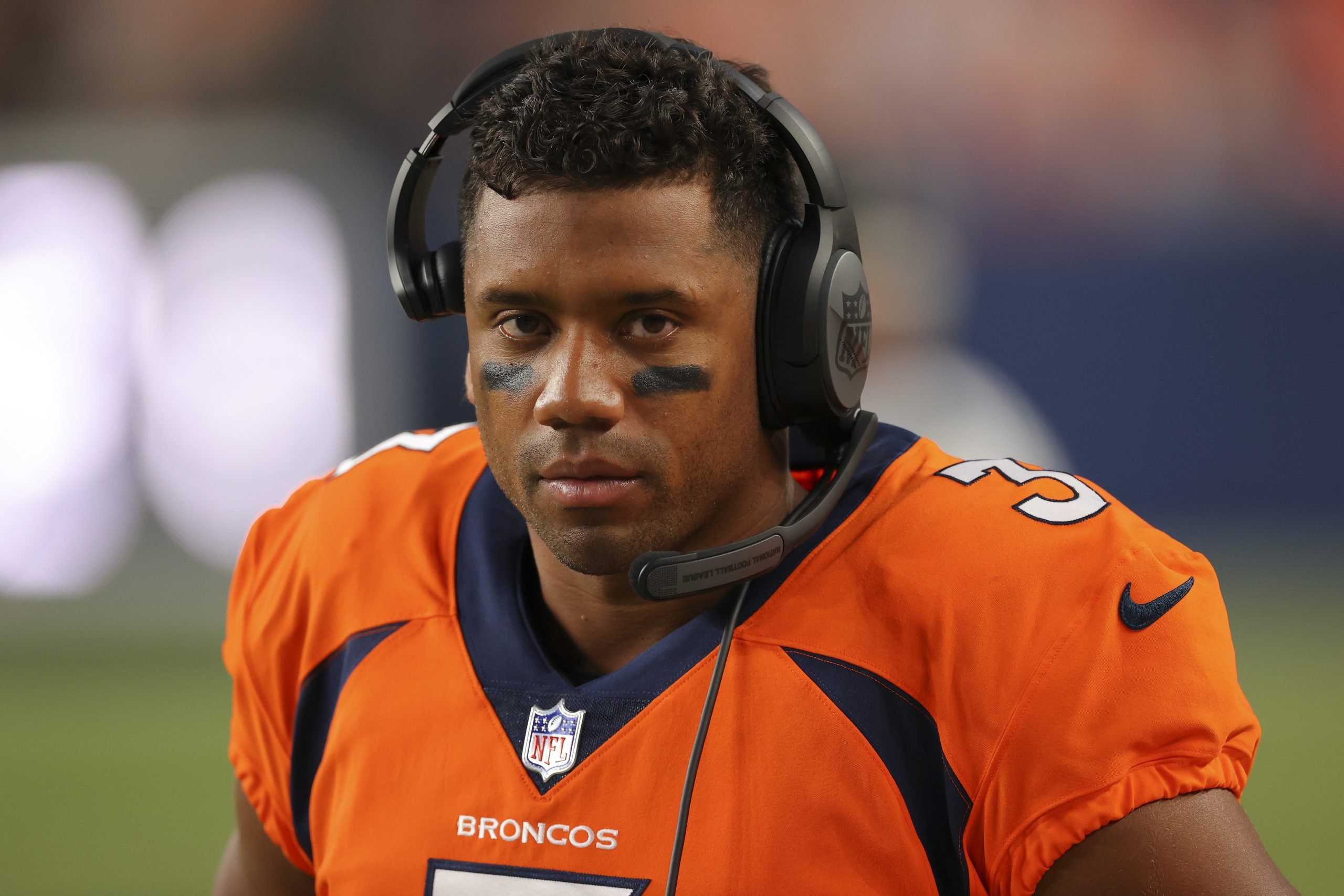
The NFL is losing one of its most recognizable quarterbacks of the past decade, but Russell Wilson’s exit comes with a legacy that remains as debated as it is accomplished.
Wilson officially announced his retirement Wednesday, ending a 14-year NFL career that included a Super Bowl championship, 10 Pro Bowl selections, nearly 47,000 passing yards, and a reputation for consistently finding himself at the center of football conversations. While reports earlier this week indicated the veteran quarterback was preparing to retire and move into broadcasting, Wilson confirmed the decision himself through a heartfelt social media video addressed to the game that shaped his life.
“Thank You, Football. Love, #3,” Wilson captioned the farewell message.
Thank You, Football.
Love, #3 pic.twitter.com/hqlS7kWQpy
— Russell Wilson (@DangeRussWilson) June 3, 2026
The announcement closes a chapter that began in 2012 when the Seattle Seahawks selected Wilson in the third round of the NFL Draft. Despite concerns about his height entering the league, Wilson quickly became one of the NFL’s most successful quarterbacks, helping transform Seattle into a perennial contender and leading the franchise to its first Super Bowl championship during the 2013 season.
For much of his career, Wilson was viewed as one of football’s premier dual-threat quarterbacks. His ability to extend plays, create outside the pocket, and produce in late-game situations helped define a new era of quarterback play. By the time his tenure in Seattle ended, Wilson had accumulated a 104-53-1 record as a starter and established himself as one of the most successful quarterbacks in franchise history.
Still, the second half of his career looked far different from the first.
Wilson’s blockbuster trade to the Denver Broncos in 2022 was expected to elevate both the franchise and the quarterback. Instead, the partnership became one of the most scrutinized moves of the decade. Denver struggled to meet expectations, and Wilson finished his Broncos tenure with an 11-19 record as a starter before the organization pivoted toward a younger future led by quarterback Bo Nix.
After leaving Denver, Wilson spent the final stretch of his career with the Pittsburgh Steelers and later the New York Giants, serving as a veteran presence while attempting to recapture the success that once made him one of the league’s most feared playmakers.
When the numbers are finalized, Wilson leaves the game with 46,966 passing yards, 353 passing touchdowns, 5,568 rushing yards, and 31 rushing scores. His statistical resume places him among the most productive quarterbacks of his generation and strengthens what will likely become a future Hall of Fame conversation.
Now, Wilson’s next chapter begins off the field. The 37-year-old is expected to join CBS Sports as an analyst on The NFL Today, transitioning from breaking down defenses on Sundays to breaking down games from the studio.
For a player whose career included championship highs, blockbuster headlines, public criticism, and remarkable longevity, Wilson’s retirement serves as a reminder that NFL legacies are rarely simple. Few quarterbacks of his era generated as much discussion. Even fewer won as much football.
