

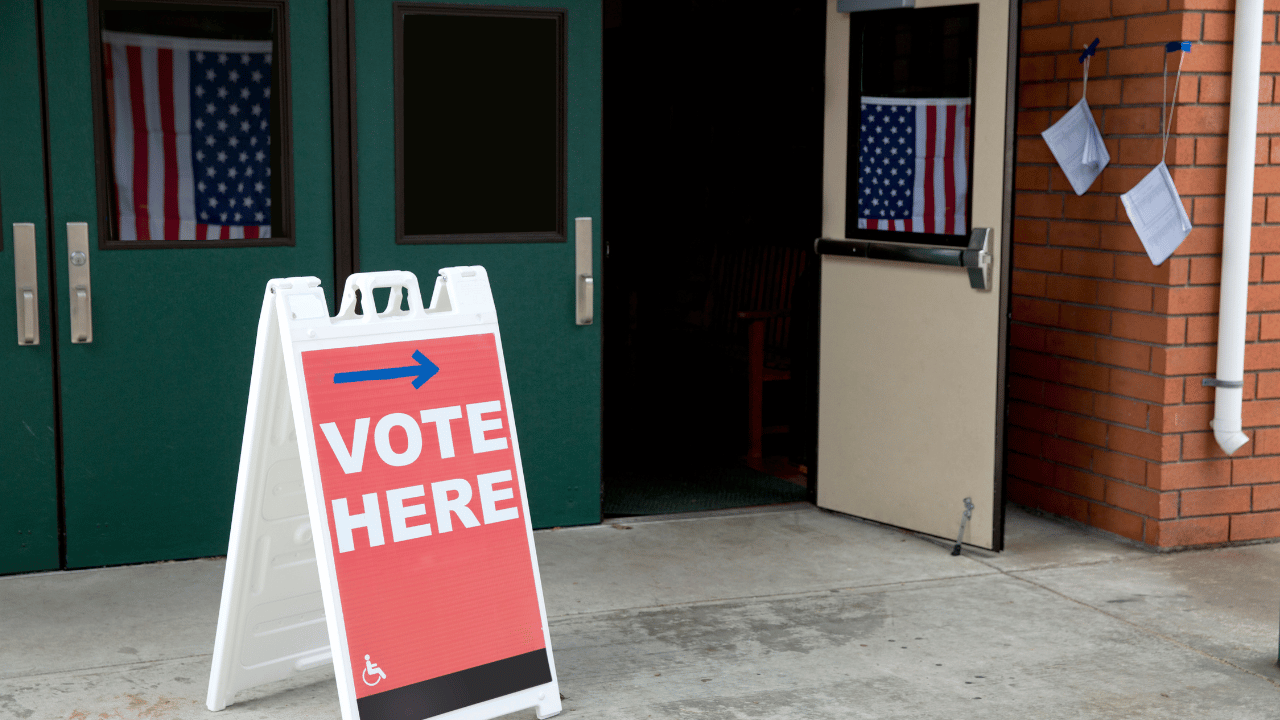
In a tight 218 to 213 vote, the House approved the Save America Act, a sweeping election bill that would require proof of citizenship and stricter photo ID rules for voters across the country.
The legislation would mandate documentary proof of citizenship at the time of voter registration and impose a nationwide photo identification requirement. The list of acceptable IDs is narrower than what many states currently allow, and student IDs would not be accepted. The bill would also significantly limit mail-in voting.
The measure now moves to the Senate, where its future remains unclear.
“I’m skeptical that the Senate will vote on this bill, because this bill goes farther than the bill they’ve already sent to the Senate, [which] it hasn’t taken up,” said Shenna Bellows, Maine’s secretary of state and a Democratic candidate for governor.
Texas Representative Henry Cuellar was the only Democrat to join Republicans in supporting the bill.
Lawmakers previously passed an earlier version of the Safeguard American Voter Eligibility Act in 2024, though that effort stalled in the Senate without sufficient Democratic support. This year’s proposal, introduced by Texas Representative Chip Roy, expands on that earlier legislation with additional voter ID provisions.
Critics argue the requirements could be difficult for many eligible voters to meet.
“The big thing for these bills is that they want to use them to create the impression that there is something wrong in some states,” said Gideon Cohn-Postar, senior advisor for election infrastructure at the Institute for Responsive Government. “You can describe them in a really general way, and they sound reasonable. ‘Oh, proof of citizenship. Well, of course, everyone should prove citizenship.’ Well, actually, it is incredibly difficult to do, and people do attest to their citizenship on the penalty of perjury. That’s a very high standard, actually.”
He also noted that applying photo ID requirements to mail in registration and voting presents logistical challenges.
The Southern Poverty Law Center estimates that 21 million Americans do not possess a birth certificate copy or passport, documents often used to establish citizenship.
“We’ve got to look at this in its totality,” said Rebekah Caruthers, president and CEO of Fair Elections Center. “The whole point of this is to restrict who gets to vote in this country.”
If enacted, the law would take effect immediately, requiring states to quickly adjust their voting systems. While its prospects in the Senate remain uncertain, the debate over voting access and election rules is likely to continue in Congress and state legislatures nationwide.
