

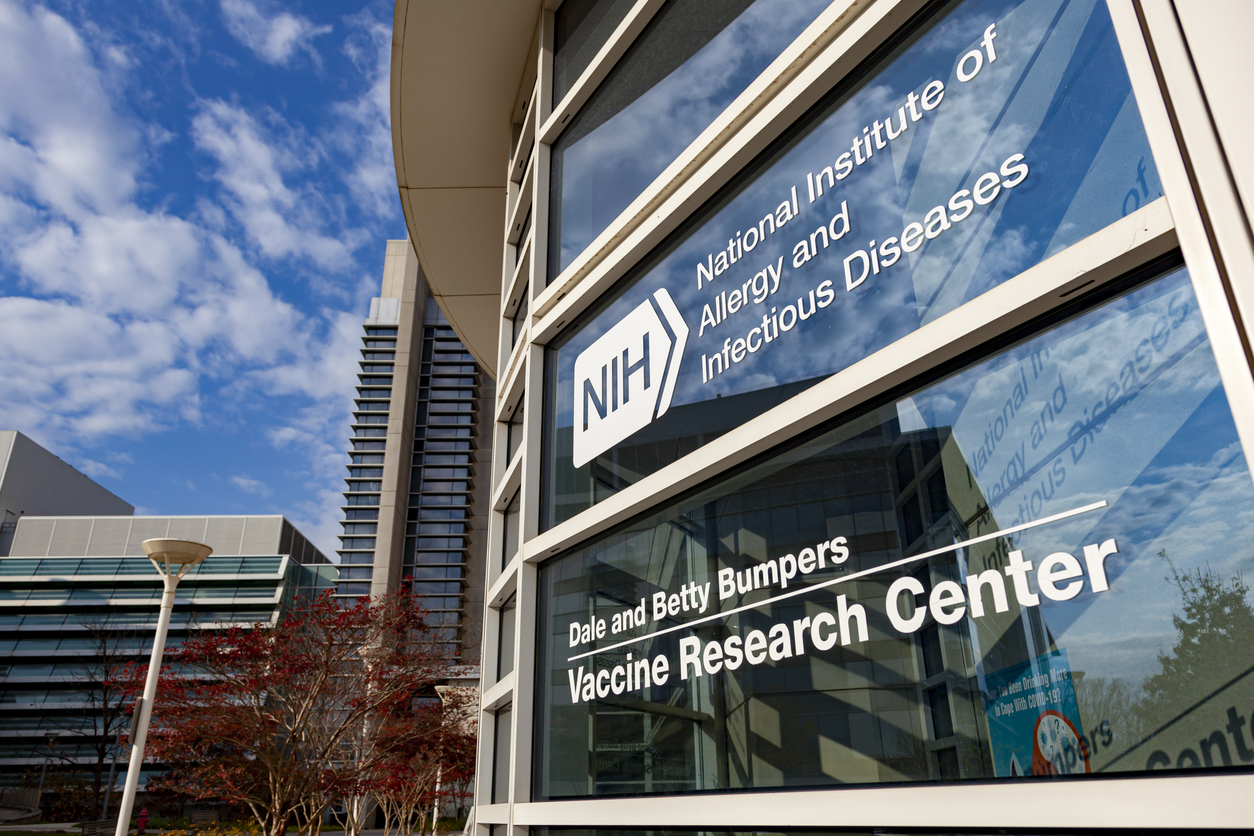
A wave of sorrow and frustration is spreading through the medical research community after new data revealed that over 74,000 clinical trial participants were affected by cuts to the National Institutes of Health (NIH), ordered by the Trump administration.
From February through August, 383 NIH-backed studies lost funding. Many focused on life-threatening diseases like cancer, COVID‑19, and heart disease. The findings, published in JAMA Internal Medicine, highlight how widespread the impact has been, with 1 in every 30 trials being shut down.
“Unanticipated funding disruptions raise concerns about avoidable waste, data quality, and compromised ethical obligations to participants,” researchers wrote.
The administration’s move followed orders to strip funding from programs tied to diversity, equity, or what officials called “ideological agendas.” In August, the Supreme Court sided with the administration’s authority to halt the funds.
An accompanying editorial called the cancellations ethically troubling: “For some participants, enrolling in a trial was a source of hope… a way they hoped to contribute to humankind, which will now be denied.”
Andrew Nixon, a spokesperson for Health and Human Services, defended the decision, calling the study an “intentionally misleading portrayal” of NIH strategy. He said the agency is undergoing a “strategic realignment.”
But for the thousands affected, the damage is done. Promising treatments were shelved. Data was abandoned. And people who joined these studies in search of healing were left with silence instead.
