Everybody talks about streams, but the real money in music still has a stage, a spotlight, a merch table, and thousands of fans screaming every lyric like rent is not due. In today’s industry, a viral song can make an artist famous overnight. But touring is still where artists turn attention into actual money.
Streaming keeps the music moving, but live shows are where the fanbase shows up, swipes the card, buys the hoodie, pays for VIP, books the hotel, posts the clips, and helps turn an album into a full-blown cultural moment.
The streaming business is massive, but it does not tell the whole story. According to Reuters, global recorded music revenue grew 6.4% to $31.7 billion in 2025, with streaming accounting for 70% of global music income. Paid subscription streaming reached 837 million users worldwide, but the report did not reveal how much of that money was actually passed down to artists. That one detail explains why so many superstars still treat the road like the real bag.
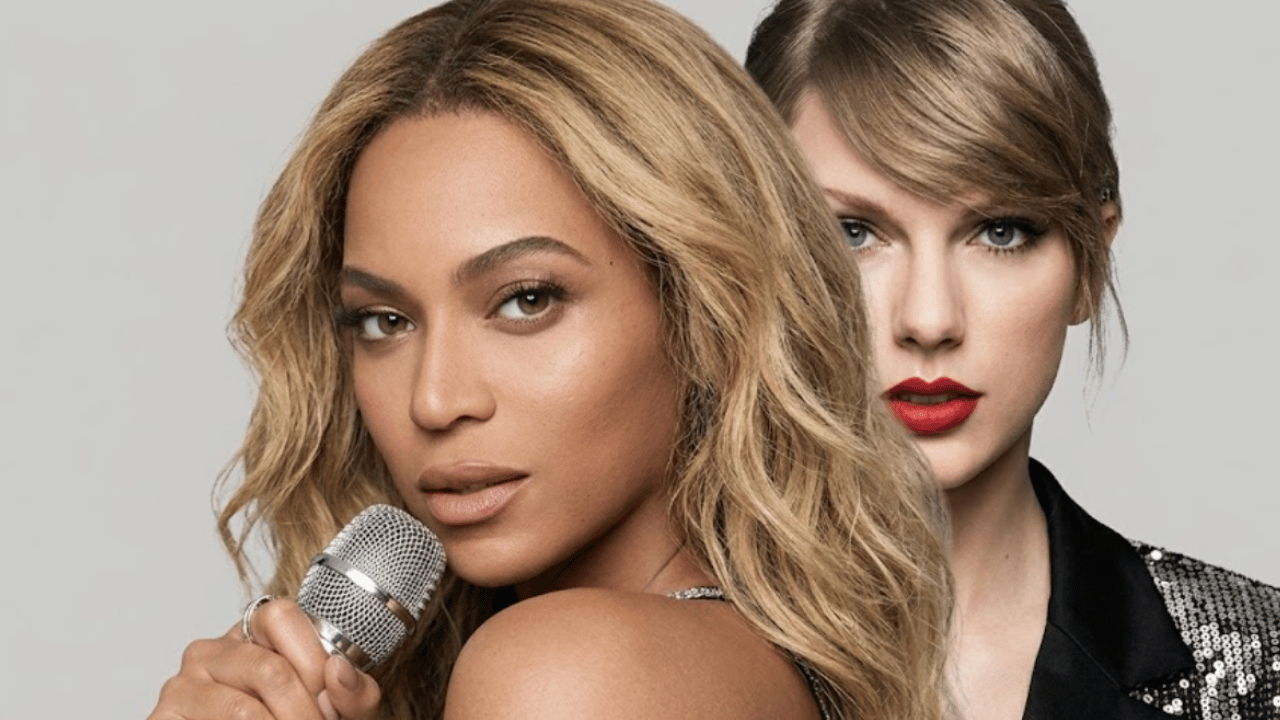
Taylor Swift is the clearest example. The Eras Tour became a monster that was bigger than a tour; it was an economy, a fashion moment, a friendship bracelet movement, and a masterclass in fan loyalty. The Associated Press reported that Swift’s Eras Tour grossed an estimated $2.2 billion across 149 shows, making it the highest-grossing tour of all time. It also sold more than 10 million tickets, proving that when fans feel emotionally connected to an artist’s catalog, they will pay to experience it in real life.
Beyoncé did the same thing with the Renaissance World Tour, turning a dance album into a global church of silver outfits, ballroom culture, luxury visuals, and vocal perfection. Investopedia reported that the tour grossed $579 million, making it the highest-grossing tour by a Black artist. That was not just ticket money. That was proof that Beyoncé can build an entire universe around one era and make fans treat each city stop like a once-in-a-lifetime event.
The Weeknd also showed how powerful touring can be when the concept is strong enough to travel the world. His After Hours ’Til Dawn Tour crossed $1 billion in gross revenue, with about 7.55 million tickets sold across 153 dates, according to Live Nation. That kind of number makes it clear that a tour can extend the life of an album era for years when the production, hits, visuals, and demand are all lined up.
Bad Bunny turned Spanish-language music into a stadium business. His World’s Hottest Tour grossed about $314 million in 2022 and became one of the biggest Latin tours of its time, according to touring data summarized from Billboard Boxscore records. That kind of success helped prove that global demand does not need English lyrics to sell out stadiums.
Hip-hop has its own touring heavyweights too. Drake, Jay-Z, Kendrick Lamar, Travis Scott, Nicki Minaj, J. Cole, Future, and Lil Wayne have all shown that rap fans will come outside when the brand is strong enough. Billboard’s touring data, summarized in live music rankings, listed Drake as the top-grossing rapper with more than $508 million in reported grosses as of 2024, followed by Jay-Z with more than $430 million. That matters because hip-hop is often judged by streams and chart debuts, but the road shows who can really move bodies, cities, and money.
Touring also creates money beyond the ticket. The ticket gets fans through the door, but the real hustle is layered. Artists can make money from VIP packages, meet-and-greets, merch, sponsorships, festival guarantees, pop-up shops, tour books, brand activations, food and beverage partnerships, and concert films. Taylor Swift’s Eras Tour became a theater event. Beyoncé turned Renaissance into a concert film. The Weeknd connected his tour world to film and album storytelling. These artists are not just selling songs. They are selling access, memory, identity, and bragging rights.
That is why merch matters so much. Fans want proof they were there. A hoodie, hat, vinyl, tote bag, or limited-edition tee can become part of the memory. For some artists, especially smaller and mid-level acts, merch money can be the difference between surviving a tour and losing money. That is also why merch cuts have become a heated industry issue, with Pitchfork reporting that some venues have taken a percentage of artists’ merch sales, a practice many musicians have criticized as touring costs continue to rise.
Of course, touring is not cheap. Behind every viral arena clip is a budget that includes staging, lighting, buses, trucks, hotels, security, dancers, wardrobe, rehearsal space, insurance, crew, and production. A sold-out show does not automatically mean every artist is walking away rich. Smaller artists may look booked and busy online while their tour budget is fighting for its life backstage.
Still, for artists with real demand, touring remains one of the clearest ways to prove value. Streams can be driven by playlists, algorithms, trends, and passive listening. A concert ticket says something stronger: people are willing to leave the house, spend money, and show up in real life.
That is the difference between a viral moment and a career. A hit song can introduce an artist, but a great tour can build a legacy. Taylor Swift, Beyoncé, The Weeknd, Coldplay, Bad Bunny, Drake, and other superstars prove that the stage is still one of the biggest bags in music.
The bottom line is simple: streaming may help artists get discovered, but touring is where many of them prove they can move the crowd and move money. In the music business, the road is still undefeated.