

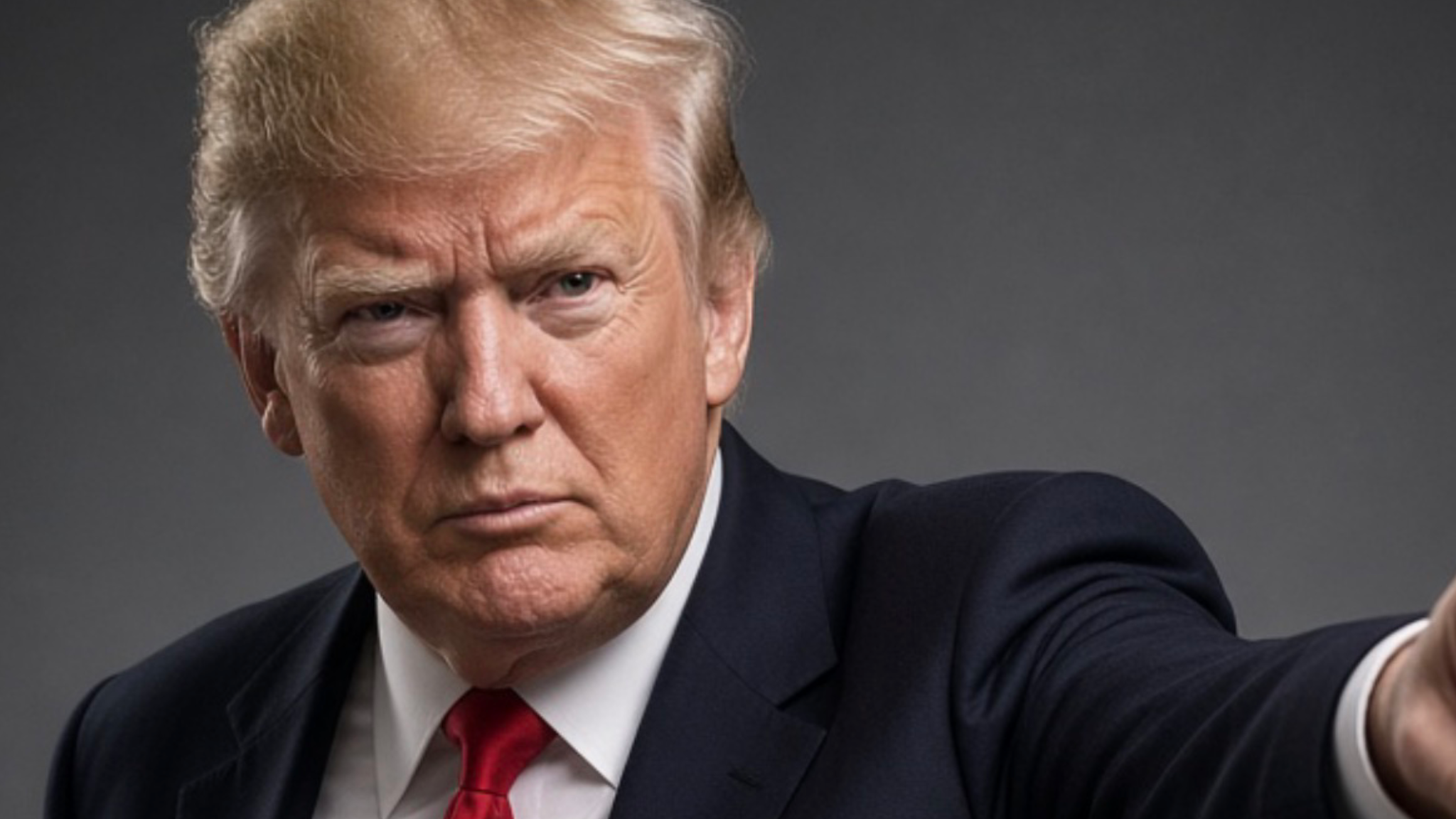
Donald Trump insulted an ABC News reporter outside the White House on Wednesday, October 21, after she questioned whether his decision to waive sanctions against Russia amounted to a concession to Moscow. The tense exchange unfolded as journalists pressed Trump about the release of American detainee Stephen Hubbard and his administration’s relationship with Russian leader Vladimir Putin.
Video
The ABC News reporter asked how waiving sanctions to help secure Hubbard’s freedom differed from giving Russia something in exchange. Instead of directly addressing the question, Trump asked whether she was a stupid person and demanded to know which network employed her.When she identified ABC News, Trump responded with a personal insult.
“You’re a stupid person, and by the way, your network is the worst of all.”
Trump’s remarks came shortly after another heated interaction with CNN chief White House correspondent Kaitlan Collins. According to The Independent, Collins repeatedly questioned Trump about the sanctions waiver and whether it was connected to Hubbard’s release.
Trump responded by calling Collins a dummy, questioning her intelligence and attacking CNN’s credibility. He defended his decision by arguing that enforcing sanctions could have disrupted negotiations with Russia, including efforts to bring Hubbard home and discussions about ending the war in Ukraine.
The dispute centered on a significant diplomatic development.
According to ABC News, Hubbard, a 74-year-old retired teacher from Michigan, was released from Russian detention Wednesday after being held since 2022. Trump’s special envoy, Steve Witkoff, traveled to St. Petersburg, where he met with Putin and helped oversee Hubbard’s release.
Hubbard had been detained in eastern Ukraine following Russia’s invasion. Russian authorities accused him of fighting as a mercenary for Ukrainian forces, allegations his legal team disputed. He was sentenced in 2024 to nearly seven years in prison following closed court proceedings.
The Associated Press reported that the U.S. government previously designated Hubbard as wrongfully detained. His release ended more than four years of imprisonment and reunited him with the prospect of returning to his family.
Trump credited his direct communication with Putin for securing Hubbard’s freedom. He maintained that the United States did not have to release another prisoner in exchange.
However, questions remained about the administration’s broader decisions involving Russia, particularly the sanctions waiver that preceded Hubbard’s release.
According to a separate Associated Press report, Trump waived sanctions under the Lindsey Graham Russian Sanctions Act shortly before they were scheduled to take effect. The legislation had received bipartisan congressional support and was intended to increase economic pressure on Moscow over its continuing invasion of Ukraine.
The move prompted criticism from Republican and Democratic lawmakers. Republican Senators Rick Scott and Thom Tillis publicly challenged the decision, arguing that weakening economic pressure on Russia could undermine efforts to hold Moscow accountable.
Ukrainian leader Volodymyr Zelenskyy also expressed concern about the suspended measures, which were designed to restrict revenue supporting Russia’s war effort.
Secretary of State Marco Rubio subsequently indicated that the administration could take up to 60 days to review the economic implications of implementing the sanctions.
Those developments explain why the ABC News reporter pressed Trump about whether suspending the penalties represented a benefit to Russia. Although Trump denied exchanging prisoners or making a direct trade, that denial did not fully address the question of whether the sanctions waiver provided Moscow with an economic or diplomatic advantage.
The confrontation also followed another dispute involving a White House journalist.
On Tuesday, October 20, Trump clashed with Andrew Feinberg, a White House correspondent for The Independent, during an Oval Office appearance. Feinberg had questioned the administration’s proposed fraud whistleblower incentive program and raised additional questions about government policy.
Trump repeatedly ordered Feinberg to be quiet and questioned whether something was wrong with him. The incident added to a documented series of confrontations between Trump and journalists during public appearances.
