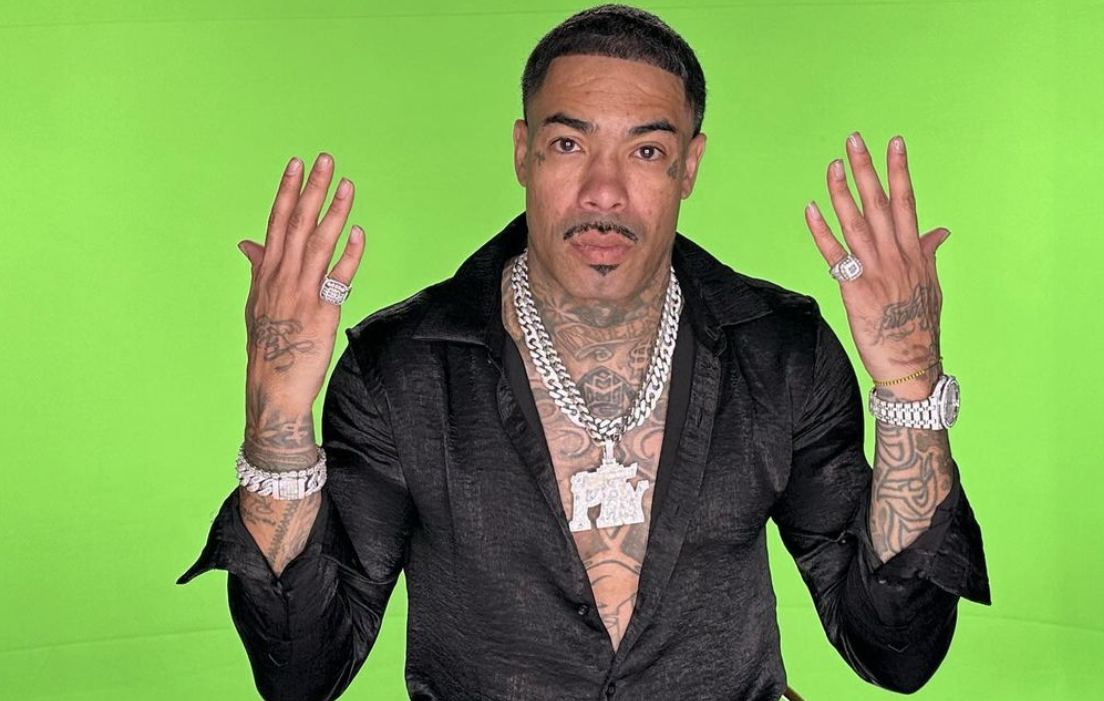
The person directing all of that is a babalawo, which is what Gunplay says he went to. A babalawo is a high priest of Ifa, the Yoruba divination tradition that Santería grew out of, and his job is to read a person’s situation and prescribe what’s required. The host in the clip calls him a voodoo priest and Gunplay agrees, but those aren’t the same thing. Vodou is a separate Haitian religion with its own structure and clergy. The two get collapsed constantly and it’s worth keeping straight.
Gunplay said his babalawo told him what animal each request required, and that for his case it wasn’t a chicken. He was told to get a turtle. He describes the tongue being used, the rest being wrapped and handled, and then being told it was finished.
The Gunplay Santería conversation runs directly into a legal history most people don’t know, and it happened here. In 1993 the Supreme Court decided Church of the Lukumi Babalu Aye v. City of Hialeah. A Santería church had announced plans to open in Hialeah, and the city responded by passing ordinances that banned ritual animal killing while carving out exceptions for basically every other kind of slaughter, including kosher. The Court ruled unanimously that the ordinances existed to target one religion and struck them down. Ritual animal offering has been constitutionally protected in this country ever since, and the case that settled it was won twenty minutes from where Gunplay grew up.
Where the interview goes wrong is the next step. Asked why practitioners wouldn’t sacrifice a human if bigger offerings bring bigger returns, Gunplay says people do, and adds that if you know, you know. That needs to be addressed plainly rather than passed along. Human sacrifice is not a part of Santería or Ifa. It is not in the doctrine, not in the practice, and not in any recognized lineage. Priests, practitioners, and scholars have spent decades correcting exactly this claim, which is the same one that fueled the Hialeah ordinances and a long run of press coverage treating Black and Afro Caribbean religion as inherently sinister. The interview frames it as a bigger version of the same thing. It isn’t a bigger version. It’s a different claim with nothing behind it. The same goes for the bit about women putting blood in a man’s food to make him fall. That’s folklore, and it circulates in a dozen cultures.
What Gunplay is actually describing about his own life is a transaction, and that’s the part he keeps returning to. Everything he received, he believes he was eventually billed for. At the end of the day you have to pay, he said, twice, and then said he wasn’t going to say anything more about it. Asked whether he had paid, he said he had, and that he watched it happen. He believes that if he hadn’t changed his belief system when he did, it would have ended him. He described feeling betrayed by everyone around him and realizing he was serving two gods, one of which only dealt in exchanges.
From there the host turned to the industry, and Gunplay didn’t hesitate. He said yes, entertainment is demonic, and that the closer he got to God the more it stood out to him. He said he started watching people differently, that certain songs are built to pull specific emotions out of you, and that there is a group of people whose work is programming. Asked whether reaching a certain level requires doing certain things, he said he believes it’s real, that he saw what was going on, and that access is gated. You can’t be around certain people until you’re at a certain caliber. His explanation for why was short. They have to know you’re with it.
He has more standing to talk about the first half than most people who take up the subject. Richard Welton Morales Jr. grew up in Carol City, came up alongside Rick Ross in Triple C’s, signed to Maybach Music, and spent a season on “Love & Hip Hop: Miami.” His Santería practice was public long before this interview. The armed robbery charge he references is the 2012 case that had him facing a life sentence before it was dropped, which is a separate matter from the battery and false imprisonment charges that ended in a not guilty verdict earlier this year.