
​ Study Finds Rideshare Prices Rise for Nonwhite Neighborhoods
  • Home
    • News
    • Entertainment
    • The Baller Alert Show
    • Baller Alert Lists
    • Baller Alert Exclusives
    • Ballerific Music
    • That’s Baller
    • Fashion
    • Metaverse
    • Tech
    • Lifestyle
    • Sports
    • Op-Ed
    • Travel
    • Health
  • EVENTS
  • Videos
  • Shop
  • Micro Dramas
  • About
  • Political News
  • en español
No Result
View All Result
Baller Alert
No Result
View All Result

Study Finds Rideshare Prices Increase for Trips to Nonwhite Neighborhoods

Precious Gibson by Precious Gibson
June 23, 2020
in Tech
Reading Time: 1 min read
Rideshare discrimination

stock

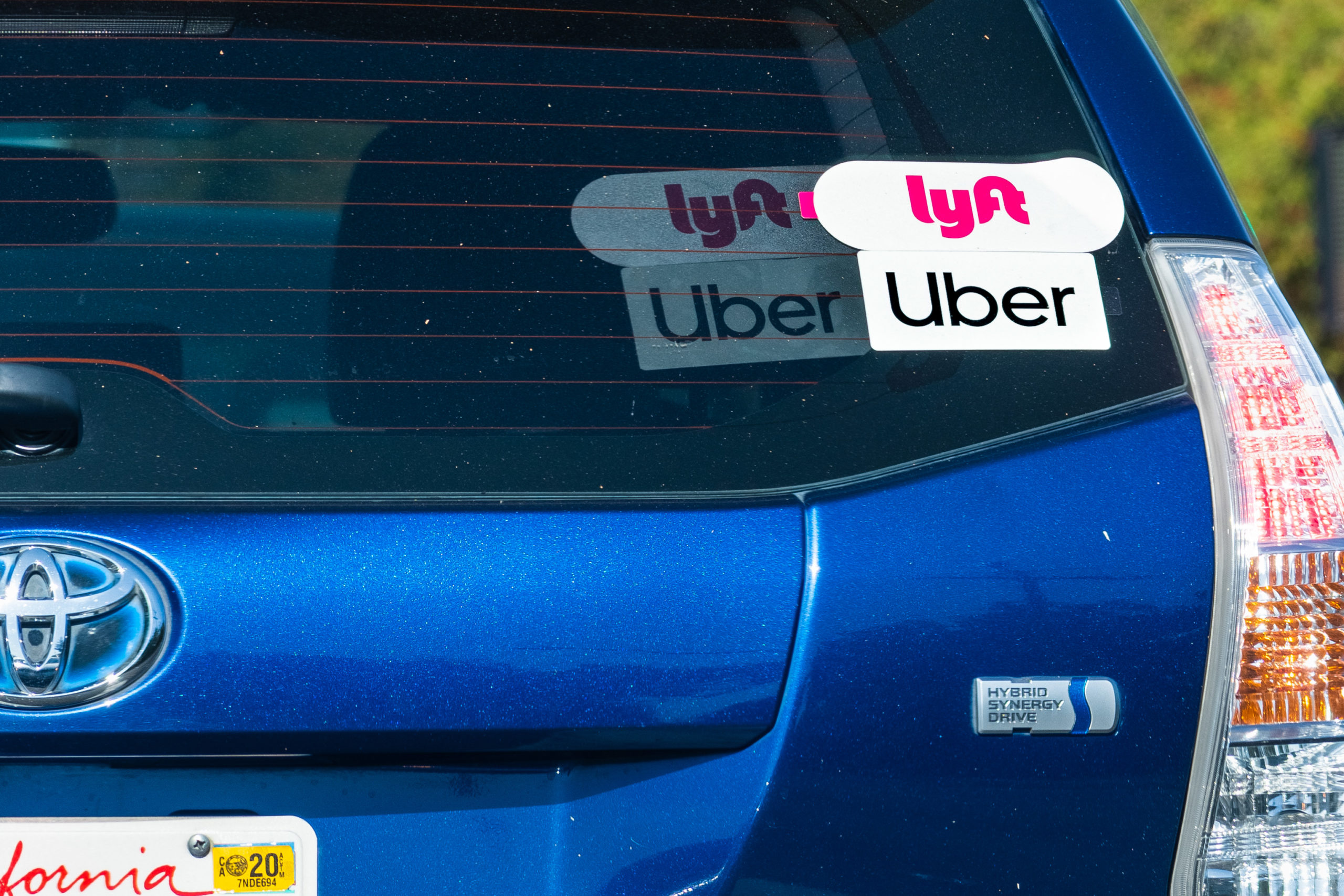
A recent study, which took a hard look at algorithmic bias, determined that racial discrimination could play a large part in the pricing on rideshare apps such as Lyft and Uber.

Akshat Pandey and Aylin Caliskan of George Washington University examined a data set of more than 100 million trips taken in Chicago between November 2018 and December 2019. 68 million of these trips were individual riders. The authors of the study explained that while “demand and speed” have the highest correlation with ride fares, riders “may be facing social bias if picked up in a neighborhood with a low percentage of houses priced less than the median house price of Chicago, or dropped off in a neighborhood with a low percentage of white people.”

“Basically, if you’re going to a neighborhood where there’s a large African-American population, you’re going to pay a higher fare price for your ride,” Caliskan told New Scientist last week.

Uber and Lyft have both broken their silence following the study, issuing statements in response to the study’s findings.

While an Uber spokesperson said that the company welcomes studies of this type to help obtain a deeper understanding of the effects of dynamic pricing, the rep also added that other “relevant factors” were not considered in the study, including time of day and neighborhood patterns and more.

A Lyft rep also pointed out that other factors contribute to pricing discrepancies. However, they “recognize” that systemic biases are “deeply rooted in society” and said that the company also commends studies of this kind that focus on the issue of “unintentional” technology discrimination.


Rideshare discrimination
stock
Tags: Akshat PandeyAylin CaliskanSystematic biases
Previous Post

Claudia Jordan Says Being Involved in the 1991 Mike Tyson Rape Trial Was Horrible for Her

Next Post

Baller Alert Exclusive Jim Jones Says a Diplomats Album Will Arrive When Juelz Santana Comes Home

Precious Gibson

Precious Gibson

Precious Gibson is a staff writer at Baller Alert, covering news, entertainment and culture. She brings readers the stories everyone is talking about with a focus on accuracy, voice and keeping the culture informed in real time.

Leave a Reply Cancel reply

Your email address will not be published. Required fields are marked *

Download Baller Alert App

Chat with Baller Alert Bot
No Result
View All Result
  • Home
    • News
    • Entertainment
    • The Baller Alert Show
    • Baller Alert Lists
    • Baller Alert Exclusives
    • Ballerific Music
    • That’s Baller
    • Fashion
    • Metaverse
    • Tech
    • Lifestyle
    • Sports
    • Op-Ed
    • Travel
    • Health
  • EVENTS
  • Videos
  • Shop
  • Micro Dramas
  • About
  • Political News
  • en español