

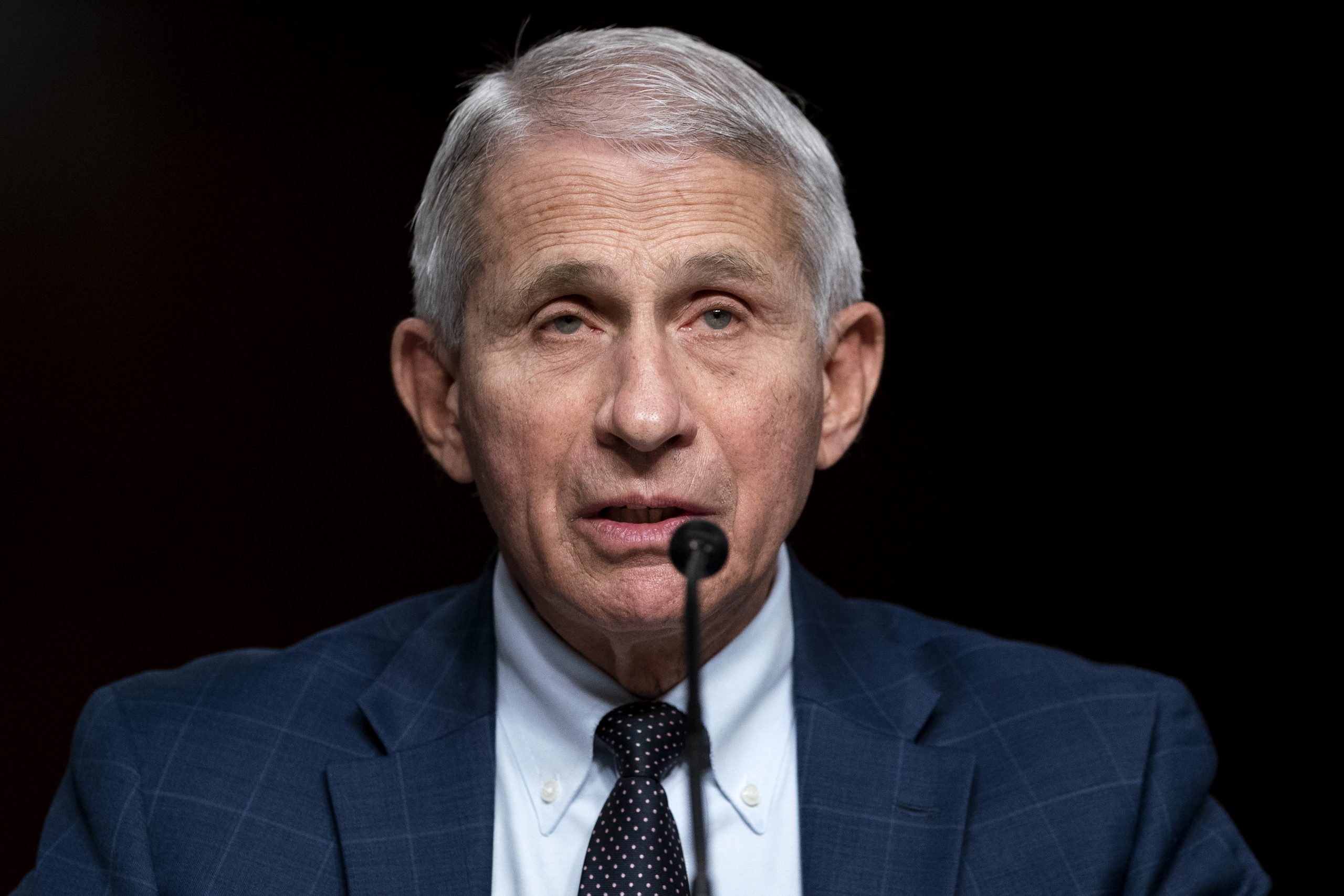
Anthony Fauci walked into Wednesday’s Senate hearing ready for another round of questions about COVID origins, Wuhan research and his pandemic record, but this time he was not giving lawmakers anything to work with. The former longtime director of the National Institute of Allergy and Infectious Diseases repeatedly invoked the Fifth Amendment and refused to answer questions, saying years of public calls for his prosecution had turned the hearing into a legal risk instead of a routine congressional appearance.
Fauci has advised seven presidents and appeared before Congress hundreds of times across four decades, and Wednesday marked the first time he ever invoked the Fifth Amendment during testimony. That alone signaled how personal this fight with committee chairman Rand Paul has become.
The hearing did not come out of nowhere. Paul issued a subpoena in June after months of negotiations over a voluntary appearance fell apart, with Fauci’s attorneys calling the senator’s public campaign against their client “baseless” and accusing him of running an “obsessive” vendetta. Paul has spent years publicly wishing to see Fauci prosecuted, and this hearing was framed as his biggest opportunity yet.
Then came the diary. Paul released more than 1,100 pages of personal journal entries he says Fauci kept between December 2019 and December 2022, pulling the document down briefly on Monday night before reposting it with redactions the next morning. Health Secretary Robert F. Kennedy Jr. told Fox News he personally handed the files to Paul after finding them sitting on government servers.
That release is exactly what set off the Fauci Fifth Amendment moment everyone is now talking about. In his opening statement, Fauci said Paul’s “obvious obsession with calling for my prosecution” left him no choice but to stop answering questions on the advice of his lawyers. He said doing so pained him given his decades of cooperating with Congress, but he was not willing to hand Republicans a new perjury charge to work with.
That perjury angle matters because of what happened in the final days of Joe Biden’s presidency. Fauci received a preemptive pardon before Biden left office, a move meant to shield him from politically motivated prosecution once Trump’s administration took over. But a pardon only wipes away exposure for already covered federal conduct. It does not stop a new charge like perjury if a person lies under oath after the fact, and it does not touch potential state level issues either. Legal scholar John Yoo has pointed to that gap as exactly why Paul and Health Secretary Kennedy have both argued Fauci’s pardon will not save him if his testimony contradicts his private writings.
Paul leaned into that threat hard. He told Fauci there would be consequences for refusing to answer questions after being directed to do so under subpoena, arguing that stonewalling a congressional inquiry is itself against the law. Other Republicans piled on with their own approach. Senator Bernie Moreno had an aide hand Fauci a pocket copy of the Constitution and pressed him on whether he even understood what the Fifth Amendment protects. Senator Josh Hawley argued the pardon already stripped Fauci of his right to plead the fifth and called him a narcissist and a liar to his face. Senator Rick Scott told Fauci he made himself into “the story” instead of protecting the public.
Things escalated further when Fauci’s attorney, David Schertler, was physically removed from the hearing room. Capitol Police escorted Schertler out after Paul accused him of repeatedly trying to interject despite instructions that attorneys could sit in but not speak during the proceeding.
Democrats used their time very differently. Rather than defending every decision Fauci made during the pandemic, several instead focused on what the hearing itself represented. Ranking member Gary Peters argued that turning one official into a scapegoat does real damage and only discourages future scientists and doctors from ever entering public service, especially given Fauci has faced repeated death threats over the years. Other Democrats accused Republicans of using the hearing to distract from rising healthcare costs and food safety failures rather than genuinely investigating pandemic policy.
The diary entries themselves have added another layer to the story outside the hearing room.Paul says he plans to question Fauci specifically about gain of function research funding tied to a lab in Wuhan, China, along with the broader pandemic response and the pardon itself. Some entries show Fauci reflecting on how quickly he became a household name early in the pandemic, at one point describing the sudden media attention as flattering even as it created friction inside the White House at the time.
For now, the Fauci Fifth Amendment standoff leaves more questions than answers. Paul has floated the idea of pursuing further action against Fauci for refusing to testify, though any contempt push would likely face its own legal fight given the scope of Fifth Amendment protections during congressional testimony.
What is clear is that a fight that has simmered for years between one of the country’s most recognized doctors and one of his most persistent critics in the Senate just reached its most explosive chapter yet, and neither side is backing down.
