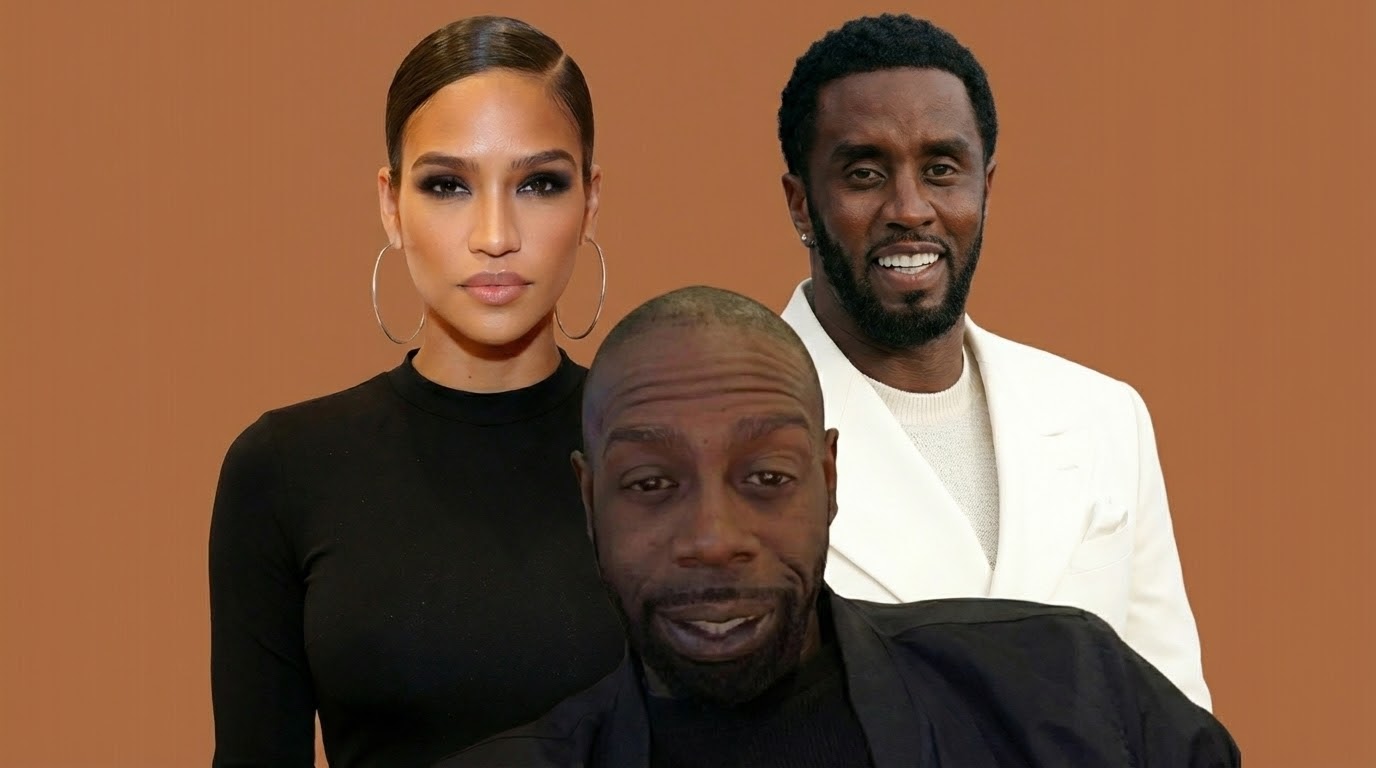
Cassie Ventura is celebrating a major court victory after a federal judge dismissed claims that she helped traffic and sexually exploit Clayton Howard, a former male escort who participated in sexual encounters with her and Sean “Diddy” Combs. Howard accused Ventura of helping coordinate the encounters and contributing to the psychological and other harm he says he suffered as a result.
The ruling gives the singer a significant win, but it does not completely close the door on Howard’s case against her. The order allows Howard to amend some of his claims, which could allow part of his case against Ventura to return.
The court victory carries added weight because of the position Ventura occupied before Howard sued her. In May 2025, she took the witness stand during Diddy’s federal criminal trial and described a relationship that she said was dominated by violence, control and sexual demands she felt unable to refuse. She testified that the mogul ordered her to recruit male sex workers for sexual encounters referred to as “freak offs,” directed what happened during the encounters and paid the men who participated.
Ventura told jurors that the encounters could last for days and that she used drugs to numb herself during sexual activity she said she did not want. Ventura described her ex as having control of her career, living arrangements and other parts of her life while also physically assaulting her during their relationship. Her testimony included the 2016 hotel incident captured on surveillance footage showing Diddy hitting, kicking and dragging her.
Howard’s lawsuit changed Ventura’s role in court. Instead of appearing as the woman describing what had been done to her, she became a defendant accused of helping do harm to somebody else. Howard filed the case on June 30, 2025, in the United States District Court for the Central District of California. The case named Diddy, Ventura and business entities as defendants and was assigned to Judge Anne Hwang.
Howard’s allegations directly challenged the public understanding of Ventura’s role in the encounters. He alleged Ventura was not simply a victim of Diddy but an active participant who manipulated and exploited him. He accused both Combs and Ventura of sex trafficking, human trafficking and sexual assault and alleged that Ventura manipulated him into unprotected sexual activity. Howard sought millions of dollars in damages for injuries he claimed resulted from the encounters.
That was the central contradiction facing Ventura. Her testimony described coordinating sexual encounters because Diddy directed her to do so. Howard’s complaint used her participation in arranging those encounters as part of his argument that she allegedly victimized him. He acknowledged that he viewed Ventura as a victim of Diddy while separately maintaining that she participated in conduct that harmed him.
Ventura argued that Howard’s position shifted after he learned she had received a $20 million settlement from Diddy. However, he maintained that recognizing Ventura as a victim of Combs did not mean he considered her innocent of conduct he says harmed him.
Nevertheless, Cassie has emerged from this legal battle unscathed financially and until an amended claim survives further court review, the current record is straightforward: Howard accused Ventura of crossing the line from victim to alleged perpetrator, and the federal court has dismissed every claim he currently brought against her.