
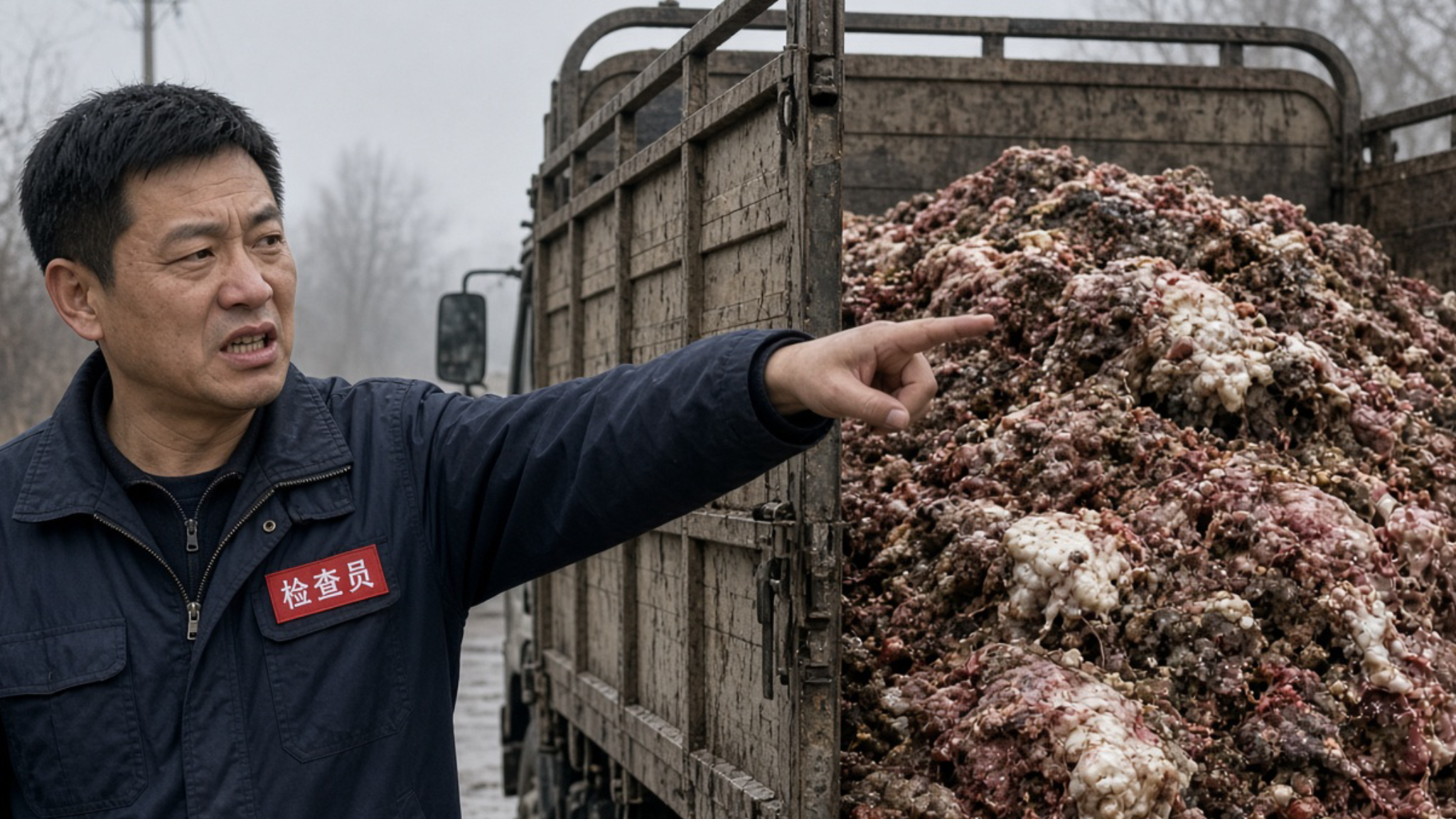
Chinese customs rejected a 22 ton shipment of Argentine beef in March after testing found chloramphenicol, an antibiotic banned in cattle raised for slaughter since 1995.
The shipment came from an ArreBeef plant in Pérez Millán, in the Ramallo district of Buenos Aires province, one of Argentina’s larger beef exporters. China’s General Administration of Customs stopped the container on March 19 and suspended imports from that specific plant.
Chloramphenicol is a broad spectrum antibiotic that was once common in veterinary medicine. It was pulled from use in food animals because it has been linked to serious blood disorders in people, including aplastic anemia, a condition in which the body stops producing enough new blood cells. There is no established safe level of exposure through food, which is why China operates a zero tolerance rule. Any detectable residue kills the shipment, no matter how small the amount.
What has not been established is how it got there. Argentina’s food safety agency, Senasa, opened a traceability investigation that can track a batch back to the farm where the animals were raised. Its working hypotheses included a false positive or a different compound that reads as similar on a test. ArreBeef called the incident strange and suggested the substance may have been planted, while acknowledging it could not say for certain. Senasa said Argentine beef exports to China continued operating normally, so this was one plant and one container, not a country wide ban.
It also did not happen in isolation. The week before, China suspended a Uruguayan slaughterhouse after detecting a different residue in beef. Beijing has been tightening inspection across imported protein generally, and it has rejected Argentine shipments over chloramphenicol before.
Here is why any of this should matter to somebody buying groceries in Atlanta or Detroit.
American beef prices are up sharply. Ground beef has risen about 23 percent since January 2025 and steaks about 18 percent. In response, Trump opened a window to increase beef imports specifically to bring domestic prices down. That means more foreign beef entering the American supply, arriving faster, from more suppliers.
More imports is not automatically a problem. Imported meat is inspected, and countries that ship to the US have to operate systems the government certifies as equivalent to ours. The question is capacity. Baller Alert reported this week that the federal agencies responsible for food safety have lost more than 7,000 employees since January 2025, that the FDA shed roughly 20 percent of its workforce, and that the lab scientists who actually test samples were among those cut. Meat inspection sits with the USDA rather than the FDA, so those specific cuts do not land directly on beef. But the broader picture is a federal food safety system being asked to do more with visibly less, right as the volume of imported product goes up.
China caught this one because China tests aggressively and rejects on any detection. That is the standard being applied on the other side of this trade. Whether the same shipment would have been caught somewhere else is a fair question, and it is one nobody in Washington is being asked right now.
The Senasa investigation has not publicly concluded, and ArreBeef has not been found to have done anything wrong. What is certain is that a container of beef made it all the way onto a ship before anybody found the problem.