

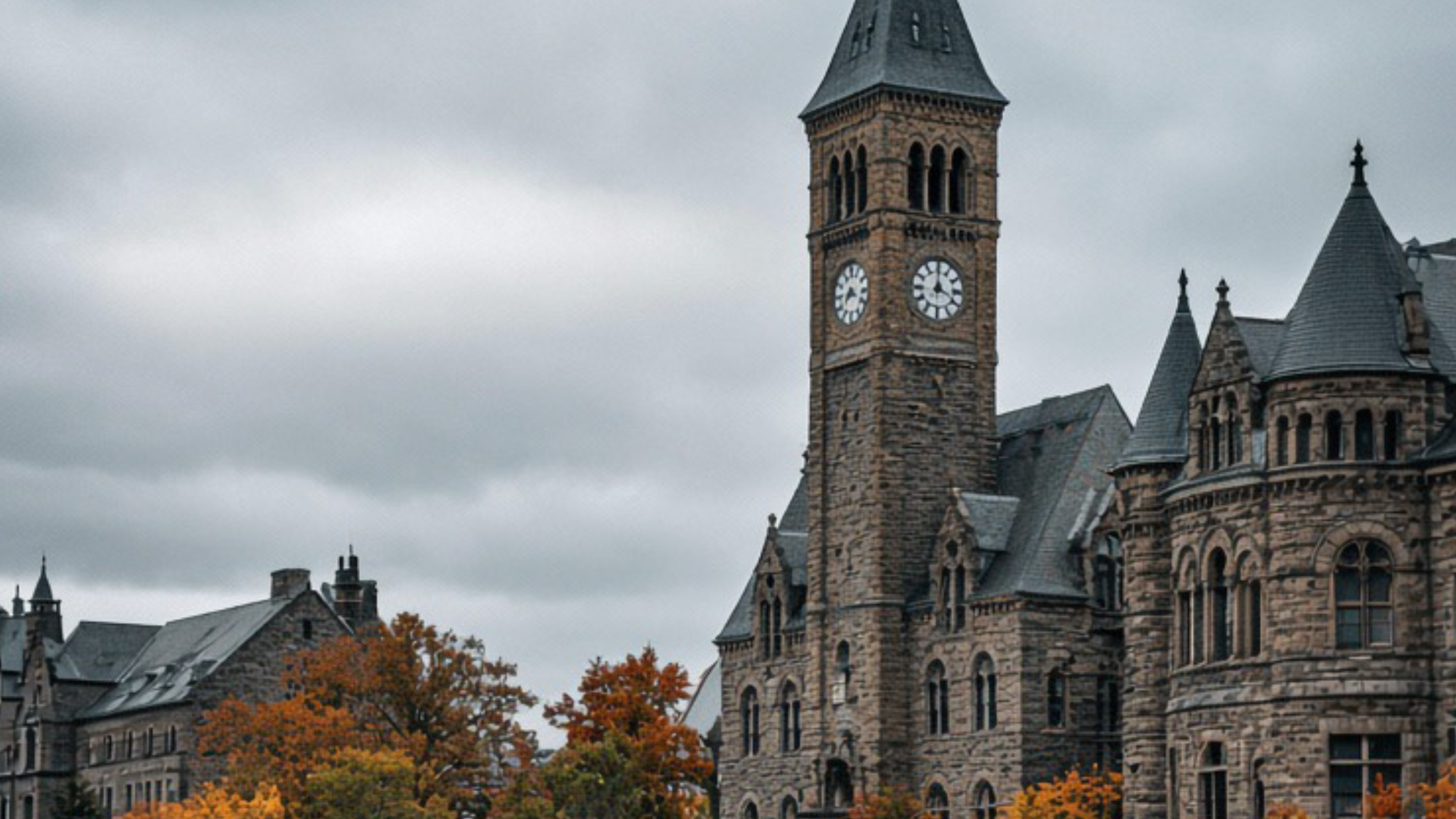
Netflix is releasing a Cornell sexual assault documentary on October 29, bringing national attention to a former student’s allegations that she was drugged and raped by multiple fraternity members in 2024 and the growing controversy surrounding how Cornell University handled her complaint.
Titled “Instadocs: Jane Doe v. Cornell,” the 36-minute documentary examines the lawsuit filed by a former student identified in court documents as Jane Doe. The case has prompted campus demonstrations, renewed scrutiny of university disciplinary procedures, and a state investigation overseen by New York Attorney General Letitia James.
The documentary arrives while the legal proceedings remain unresolved. No criminal charges have been filed against the seven men accused in the lawsuit, and all seven have denied the allegations.
According to the civil complaint filed in September 2026, Jane Doe attended a gathering at Cornell’s Chi Phi fraternity house in Ithaca, New York, on October 19, 2024. She alleges fraternity members provided her with alcohol, marijuana, and ketamine before sexually assaulting her while she was incapacitated and unable to consent.
The lawsuit names seven fraternity members, Cornell University, the Chi Phi fraternity, a local bar, and the woman’s sorority. It also alleges institutional failures that contributed to the circumstances surrounding the reported assault and the university’s subsequent response.
The defendants dispute the allegations. Some of the accused men have maintained that sexual activity was consensual, while others have denied participating in the alleged assault.
The Cornell sexual assault documentary examines what happened after Jane Doe reported the incident, including how campus police investigated her allegations and how the university addressed potential violations of its sexual misconduct policies.
One of the central controversies involves the initial criminal investigation.
Despite Jane Doe reporting the alleged assault to Cornell police in 2024, the Tompkins County District Attorney’s Office declined to pursue criminal charges.
District Attorney Matthew Van Houten defended that decision, explaining that a sworn statement provided to prosecutors described voluntary participation in drug use and sexual activity. However, subsequent reporting revealed that Jane Doe had explicitly told campus police she believed she had been raped.
According to a police interview transcript reported by CBS News, Jane Doe told investigators, “I can say with 100% confidence I was raped.”
That statement was absent from the shorter sworn account reviewed by local prosecutors.
Jane Doe’s attorney, Thomas Giuffra, has challenged the adequacy of the original investigation, including prosecutors’ failure to interview his client directly before declining charges.
The Cornell sexual assault documentary also explores Title IX, the federal civil rights law prohibiting sex discrimination in educational programs receiving federal funding. Universities use procedures developed under Title IX to investigate sexual harassment and misconduct complaints, determine whether school policies were violated, and provide protections for students.
Those university proceedings operate separately from criminal investigations and do not require a criminal conviction before disciplinary action can be imposed.
Cornell has maintained that it conducted a comprehensive investigation into the allegations. University records reported by national news outlets describe an internal process involving dozens of interviews and multiple witnesses.
The university imposed disciplinary penalties on students involved in the case, including expulsions and suspensions. Cornell also barred the Chi Phi chapter from campus operations.
The national fraternity separately announced that members understood to have been involved were expelled from the organization.
However, the civil lawsuit challenges whether Cornell’s disciplinary response was sufficient. It alleges that some students were allowed to reduce disciplinary consequences through written assignments.
Cornell has defended its investigation while agreeing to an independent external review of its handling of the allegations.
The controversy escalated after the lawsuit became public in September 2026, prompting student demonstrations and demands for greater accountability.
On September 28, Van Houten announced that his office would reopen its review of the case and consider presenting evidence to a grand jury.
Three days later, on October 1, New York Governor Kathy Hochul appointed Attorney General Letitia James as special prosecutor, transferring oversight of the criminal investigation away from the local district attorney.
Hochul said she had lost confidence in the local handling of the matter and criticized the response by both Cornell police and prosecutors.
“At every turn, she was failed by people and institutions with an obligation to protect her,” Hochul said while discussing the allegations.
James now has authority to investigate and, if supported by the evidence, pursue criminal charges.
The Cornell sexual assault documentary features Hochul discussing the case, alongside Jane Doe’s attorney and journalists who covered the controversy as it developed.
Netflix also interviewed Sophia Dasser, editor-in-chief of The Cornell Daily Sun, and senior editor Cereese Qusba, whose student newspaper reported on developments within the university community.
Other participants include Amanda Walsh, a former Title IX coordinator at Brown University, a former Cornell fraternity president, and a recent Cornell graduate who experienced the university’s Title IX process after reporting a separate sexual assault.
Their accounts expand the documentary beyond the allegations against the seven men to examine how campus reporting systems function and what students encounter when seeking institutional protection.
Meanwhile, tensions within Cornell’s leadership have continued.
On October 28, Cornell faculty members were scheduled to begin voting on a proposed resolution expressing no confidence in university President Michael Kotlikoff and his administration’s handling of the controversy.
During an earlier faculty meeting, Kotlikoff acknowledged that he had not read the police investigation report. He defended the separation between university leadership and confidential criminal investigations while acknowledging concerns about the administration’s response.
The faculty vote is scheduled to remain open through November 6. Its outcome would not automatically remove Kotlikoff, but it could influence the university trustees responsible for leadership decisions.
The case has also renewed attention on New York’s sexual assault laws, particularly legal protections involving intoxication and whether existing statutes adequately address situations in which a person voluntarily consumes alcohol or drugs but subsequently becomes incapable of consenting.
State officials and lawmakers have discussed strengthening those protections following the allegations.
Produced by Words + Pictures, “Instadocs: Jane Doe v. Cornell” is part of Netflix’s documentary series focused on developing news stories.
