

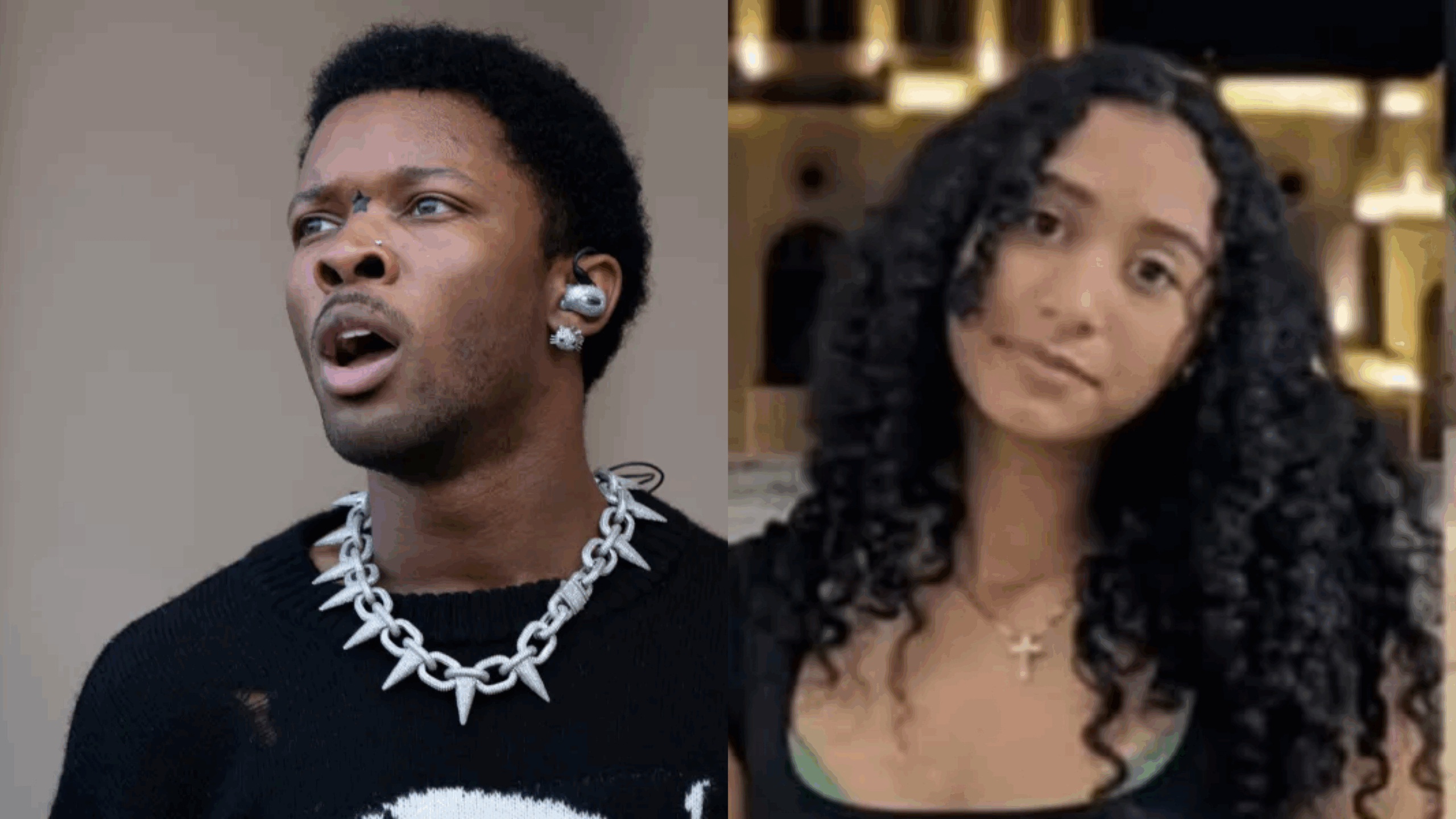
The D4vd trial is moving forward after five days of testimony revealed the evidence prosecutors say connects singer David Burke to the killing of 14-year-old Celeste Rivas Hernandez, including the final message she sent before her phone went silent, DNA recovered from his garage and purchases investigators say fit their theory of what happened after her death.
According to the Associated Press, Los Angeles Superior Court Judge Charlaine Olmedo ruled Monday, July 27, that prosecutors established probable cause for Burke to face trial on murder, continuous sexual abuse of a child under 14 and unlawful mutilation of human remains charges. Burke has pleaded not guilty.
The decision did not come down to one piece of evidence. Prosecutors spent the preliminary hearing building a timeline that stretched from Burke’s alleged relationship with Rivas Hernandez to the argument before her disappearance, her arrival at his Hollywood home, the sudden end of her phone activity and what investigators say happened in the months before her remains were discovered. Olmedo emphasized that the standard at a preliminary hearing is far lower than what prosecutors must prove at trial, but she ultimately concluded they cleared that threshold.
“The people have met their burden on all counts,” she said.
The final hours before Rivas Hernandez disappeared became one of the biggest parts of the case. According to the Associated Press, prosecutors said D4vd sent an Uber to pick her up before she arrived near his Hollywood home shortly after 10 a.m. on April 23, 2025. As she approached the residence, she sent him what authorities say was her final outgoing text: “girly pop i’m almost there open ur door if ur home.” Investigators say her phone went silent after she reached the home, and prosecutors allege D4vd stabbed her after she arrived.
The night before that message is where prosecutors say their motive theory takes shape. The two had been arguing by text about D4vd’s relationship with another woman when Rivas Hernandez threatened to expose information about him, writing, “i will end ur career and ur life.” Prosecutors argue D4vd feared their relationship becoming public could destroy his rising music career.
The defense pushed back hard on that interpretation. D4vd’s attorneys introduced other messages in which Rivas Hernandez threatened to contact his mother, speak with his friends and “leak” information about the relationship. Detective Corey Farrell also acknowledged that he had not seen evidence showing she threatened to go to police. Defense attorney Marilyn Bednarski argued, “There’s no evidence that Mr. Burke harbored a deliberate intent to kill Miss Hernandez,” adding that the messages showed “no threat, no evidence of a history of violence” and “the opposite of homicidal malice.”
The hearing became even more serious once prosecutors turned to the physical evidence. Investigators said samples taken from apparent blood stains in D4vd’s garage produced DNA matching Rivas Hernandez. The defense challenged what those results actually proved, including whether investigators could determine when the DNA was deposited and whether every sample was conclusively blood.
Prosecutors also introduced records showing D4vd ordered chain saws and other items they believe were connected to the alleged dismemberment. Prosecutors allege D4vd dismembered Rivas Hernandez in his garage before placing her remains inside the Tesla where they would eventually be found. The defense questioned whether investigators could directly connect those purchases to the killing.
Prosecutors further alleged D4vd began creating cover after Rivas Hernandez’s phone went silent by continuing to send messages asking where she was and appearing concerned about her whereabouts. They argue those messages were meant to make it look like he had no idea what happened. The prosecution also says surveillance evidence will show D4vd was the last person to drive the Tesla where her remains were found.
According to the Los Angeles County District Attorney’s Office, Rivas Hernandez’s decomposed and dismembered remains were discovered on September 8, 2025, inside the front storage area of a vehicle registered to D4vd after it had been impounded. Prosecutors allege her body had been placed inside bags and remained in the vehicle for months.
The hearing also exposed evidence about the relationship prosecutors say existed before her death. Farrell testified about years of text messages and sexually explicit material recovered through warrants connected to D4vd’s devices and accounts. Prosecutors allege D4vd met Rivas Hernandez when she was 11 and began sexually abusing her when she was 13 and he was 18. Investigators also described communications they say indicate she became pregnant and had an abortion in 2024.
By the end of the hearing, Deputy District Attorney Beth Silverman argued the state had presented far more evidence than necessary to get the case to trial. “Based on the mountains of evidence presented,” she said, “all of the allegations have been proved way beyond the standard required.” Silverman also accused the defense of trying “to dirty up the victim” by focusing on Rivas Hernandez’s threats and messages.
Olmedo ultimately agreed that enough evidence existed for the case to continue, but the ruling does not mean Burke has been found guilty. The D4vd trial will now move into a much higher stakes stage where his attorneys can challenge the prosecution’s timeline, DNA evidence, messages, purchases and theory of motive before a jury. D4vd remains presumed innocent unless proven guilty.
