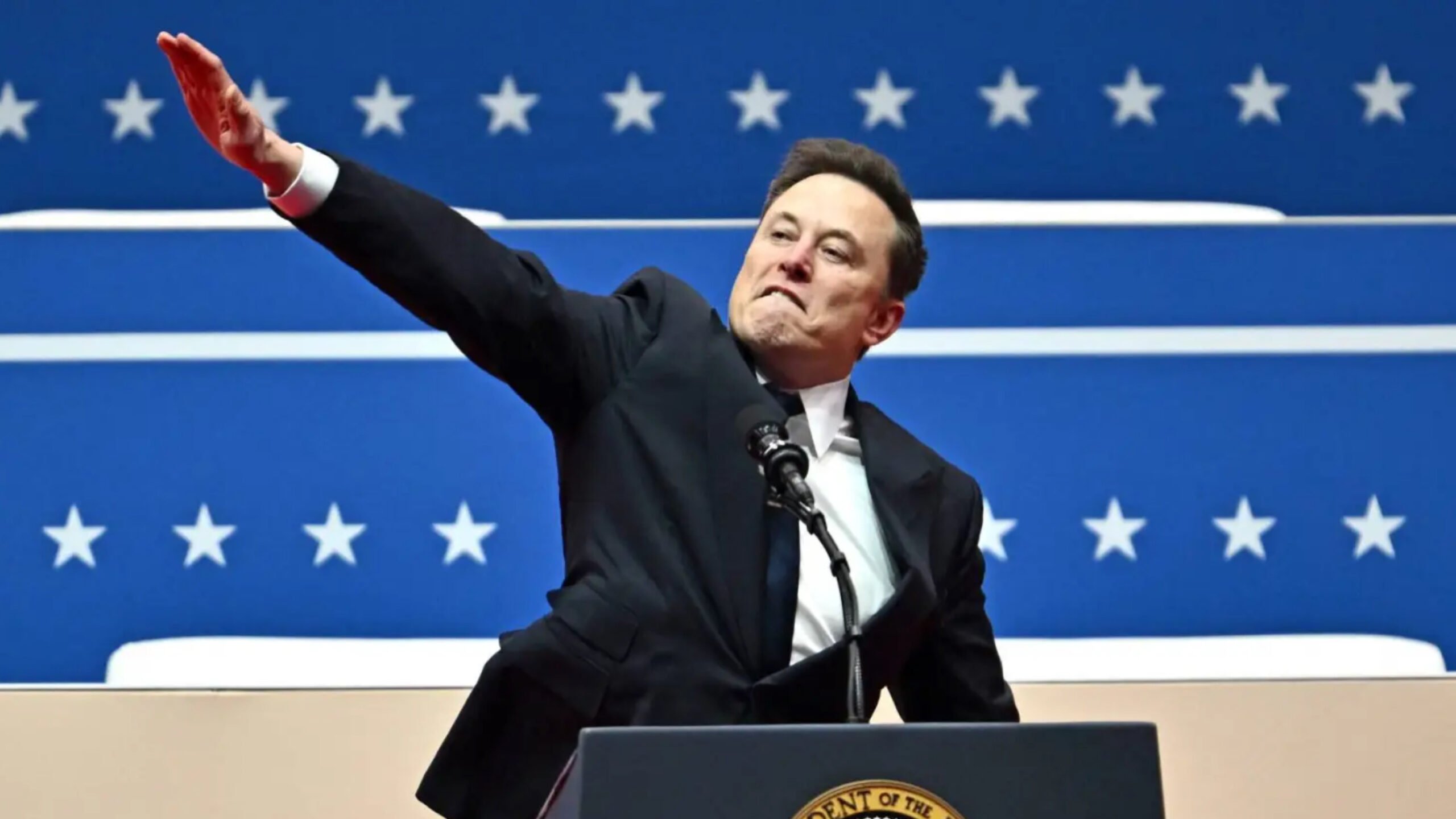
There are no DOGE checks. There was never a bill, never a program, and never a mechanism for sending anybody $5,000.
The whole thing started with a post on X. James Fishback, CEO of an investment firm called Azoria, floated the idea in February 2025. His math went like this: if DOGE saved $2 trillion, return 20 percent of it, about $400 billion, to roughly 79 million taxpaying households, and each one gets a check for $5,000. He called it the DOGE Dividend.
Elon Musk replied that he would check with the president. Trump, speaking at a Saudi investors conference in Miami, said he loved the idea. Treasury Secretary Scott Bessent and National Economic Council director Kevin Hassett signaled they were open to it.
And that was it. No legislation was ever introduced. No official policy proposal was ever released. Congress controls federal spending, and Congress never took it up.
Here is the part that should have ended the conversation early. Even in Fishback’s original proposal, the checks would only go to households that are net payers of federal income tax, meaning people who pay more in than they get back. About 40 percent of American households pay no federal individual income tax in a given year. Roughly 70 percent of those households earn under $75,000 and about 45 percent earn under $40,000. So the people most likely to be counting on a $5,000 check were, by the design of the proposal itself, the people least likely to receive one.
Then there is the money that was supposed to fund it.
DOGE formally shut down on July 4, 2026, hitting the termination date written into Trump’s executive order. Musk had originally said the effort could cut at least $2 trillion from federal spending. He later called that a best case and revised the target to $1 trillion. When the doors closed, DOGE claimed $215 billion, which its own site put at $1,335.40 per taxpayer.
Even that number is now in serious question. On August 6, the Government Accountability Office, the nonpartisan federal watchdog that audits government spending, released a review of $110 billion in DOGE’s reported savings from contracts, grants, and leases. It found the claims were inflated and unreliable.
Specifically: 108 of the 264 leases DOGE listed for termination were already in the process of ending before DOGE existed. More than half the contracts on its site were either never actually terminated or lacked enough information to determine their status. DOGE could not provide enough detail to verify how it calculated 96 percent of its grant savings. And it claimed $1.7 billion in savings from a Department of Defense health IT contract that it met with the Pentagon about and then decided not to cancel at all.
The GAO did not say DOGE saved nothing. Auditors found evidence that some contracts, grants, and leases were genuinely reduced or ended. What they said is that the headline number cannot be verified and that DOGE did not consistently follow its own stated methodology.
DOGE’s Wall of Receipts is still online even though the operation is over, and the site has since added another $105 billion in claimed savings after ceasing operations. Its last actual update, according to the GAO, was January 1, 2026.
In the first five months of 2026, the federal government posted more than 104,000 jobs, up from about 68,000 in the final five months of 2025. At Health and Human Services, which laid off roughly 10,000 workers in 2025, new hires this year could exceed the number of jobs cut.
So the arithmetic on the checks: a $2 trillion target that became $1 trillion, that became $215 billion in claims, of which the government’s own auditors could not verify the portion they examined. Twenty percent of a number that does not exist is not a check.
If you are still waiting on one, the wait is over. Not because it was denied, but because it was never a thing.