
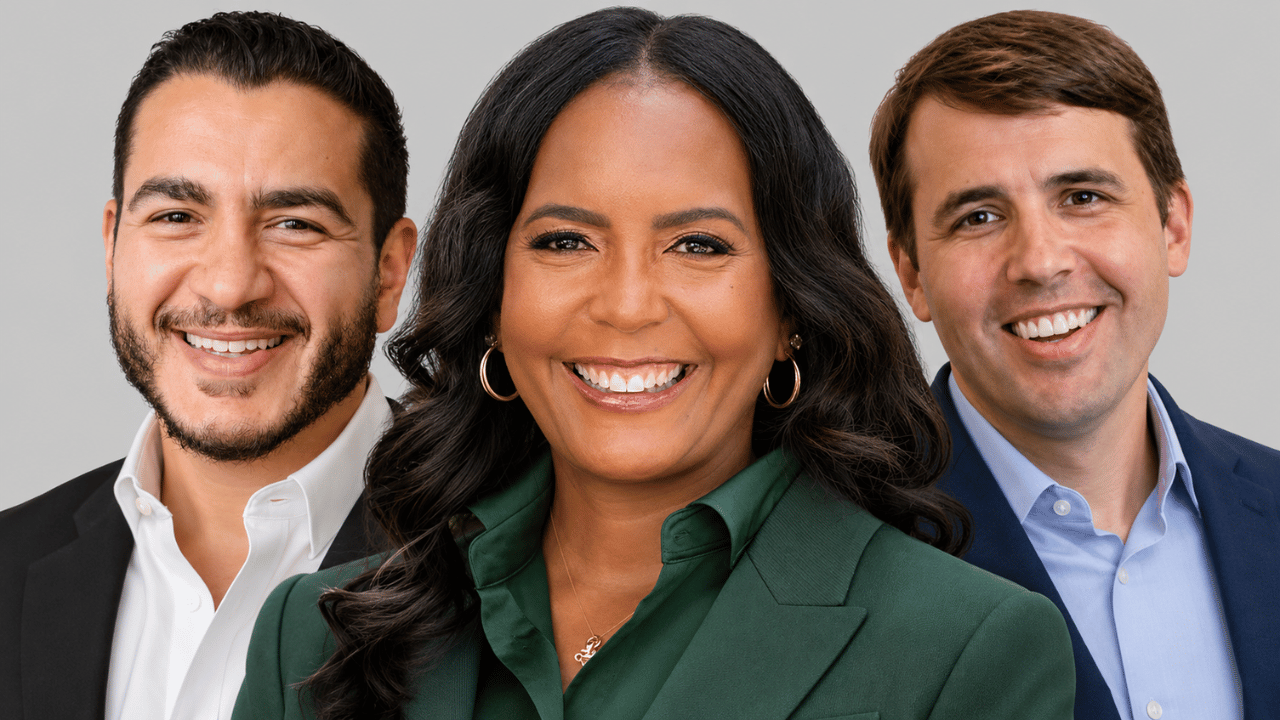
Voters made history Tuesday night, and the election firsts stretch from the first Black woman elected governor to the first Muslim elected to the U.S. Senate. Democrats also won control of both the House and the Senate, which has happened only twice in the last 50 years in the same election cycle. Some results are still being finalized.
Keisha Lance Bottoms, the former Atlanta mayor, became the first Black woman elected governor of any state in American history. She is also Georgia’s first woman governor and the first Democrat to win the office since 1998, and she beat Rick Jackson, the candidate Trump endorsed.
In New Mexico, Deb Haaland became the first Native American woman elected governor. She was one of the first two Native American women ever elected to Congress in 2018 and later became the first Native American Cabinet secretary as Interior secretary.
Texas elected Gina Hinojosa, who beat Gov. Greg Abbott to become the state’s first Latina governor and the first woman to lead Texas since Ann Richards left office in 1995. California elected Xavier Becerra as its first elected Latino governor. Ohio’s Amy Acton, who beat Vivek Ramaswamy, is that state’s first woman governor. Minnesota’s Amy Klobuchar will be its first woman governor, and Republican Sen. Marsha Blackburn won Tennessee’s first woman governor’s seat.
The night also set a record for Black governors. Byron Donalds became Florida’s first Black governor and the first Black person ever elected to statewide office there. He is also the first Black Republican elected governor anywhere in the country. The only Black Republican to hold a governor’s office before him was P.B.S. Pinchback, who was appointed in Louisiana in 1872. In Wisconsin, David Crowley is the state’s first Black governor and, at 40, the youngest governor Wisconsin has elected in nearly a century. In Nevada, Attorney General Aaron Ford unseated Gov. Joe Lombardo, an AP projection, to become the state’s first Black governor and the first Black governor of a state west of the Mississippi River. Before this election, only three Black governors had ever been elected in U.S. history, and no more than two had served at the same time. At least four will serve together now, and with Maryland’s Wes Moore and Ford, that number is five.
The Senate broke new ground too. Abdul El-Sayed beat Mike Rogers in Michigan to become the first Muslim elected to the Senate. New Hampshire’s Chris Pappas, who beat John Sununu, is the first openly gay man elected to the Senate. Minnesota’s Peggy Flanagan, a member of the White Earth Band of Ojibwe who beat Michele Tafoya, is the first Native American woman in the Senate. South Carolina elected its first woman to the Senate when Annie Andrews defeated Sen. Darline Graham, who took the seat after the death of her brother, Lindsey Graham. Louisiana’s Julia Letlow is that state’s first Republican woman elected to the Senate.
Illinois became the first state represented in the Senate by two women of color at the same time when Juliana Stratton won and joined Tammy Duckworth. Stratton’s win also puts three Black women in the Senate at once for the first time, alongside Angela Alsobrooks and Lisa Blunt Rochester.


Made to order and shipped to your door.
Democrats ended long droughts as well. James Talarico beat Ken Paxton to become the first Democrat Texas has sent to the Senate since 1988, and Texas Democrats won statewide for the first time since 1994. In Kansas, Adam Hamilton, a United Methodist pastor, beat Sen. Roger Marshall and became the first Kansas Democrat elected to the Senate since 1932.
The House added firsts of its own. Melat Kiros is Colorado’s first Black woman elected to Congress and the first Gen Z woman elected to Congress nationally. Adam Hamawy is New Jersey’s first Muslim member of Congress, Claire Valdez is New York’s first Native American woman elected to Congress, and Jeremy Moss is Michigan’s first openly gay member of Congress.
One first is still ahead. With Democrats winning the House, Hakeem Jeffries is positioned to become the first Black Speaker of the House if he is elected to the post when the new Congress convenes.