

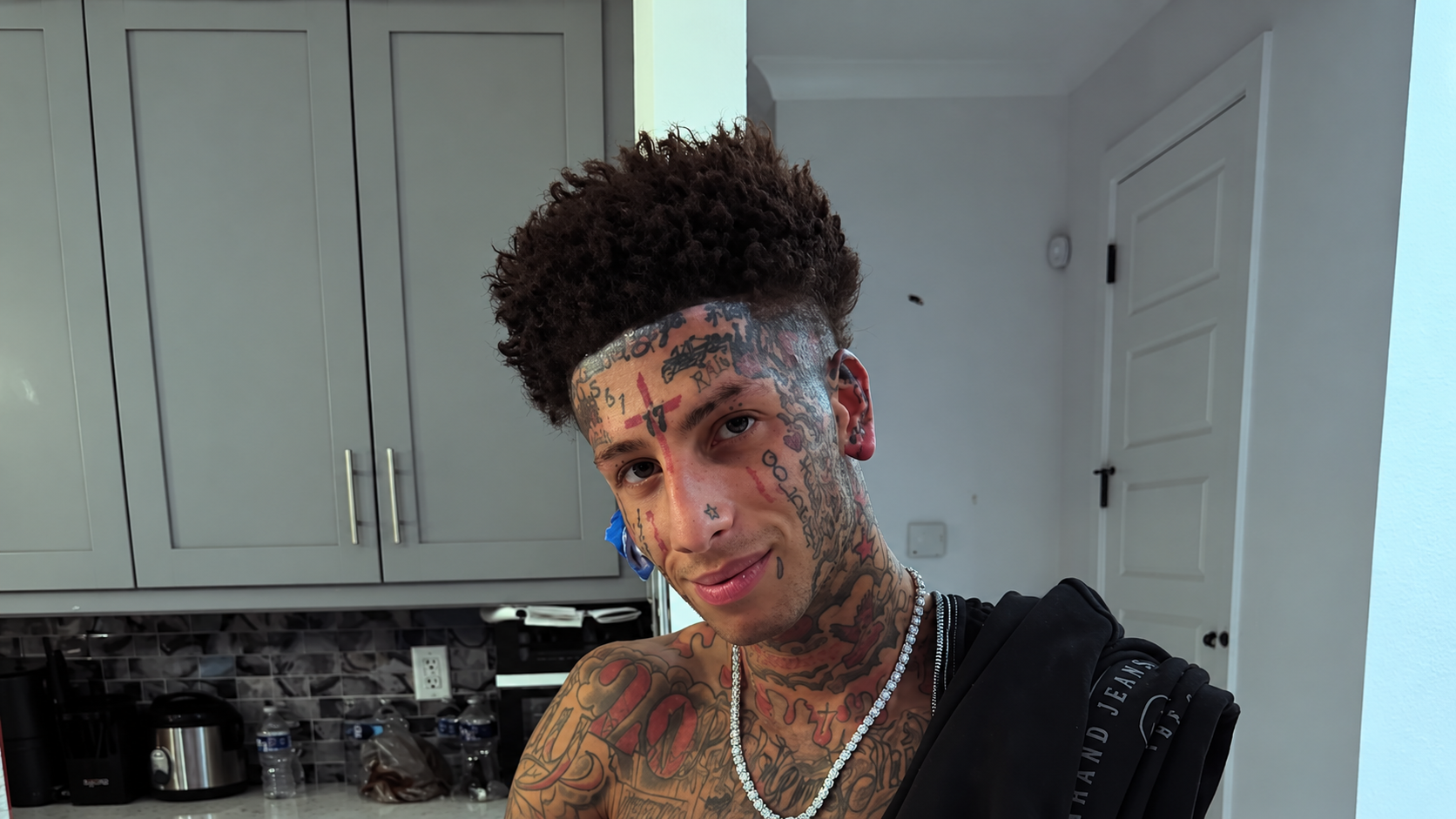
Island Boys rapper Flyysoulja says he was rushed to a Miami trauma unit after overdosing on cocaine, benzodiazepines, and Percocet on October 29. The entertainer, whose real name is Alex Venegas, told TMZ he remained hospitalized until Monday, November 2. He also said he underwent an involuntary mental health evaluation during the emergency.
According to Flyysoulja, the incident happened while he was celebrating two major purchases: a new condominium and a car. What began as a personal milestone ended with him needing emergency medical attention. He acknowledged having a years-long history of substance use problems and said he had stopped using drugs for a period before the overdose.
The substances the Island Boys rapper identified carry different risks. Cocaine is a stimulant that can raise heart rate and blood pressure. Benzodiazepines are sedatives, while Percocet is a prescription pain medication containing the opioid oxycodone and acetaminophen. Combining drugs from these categories can create unpredictable effects, including a heightened risk of overdose.
The Centers for Disease Control and Prevention warns that stimulants and depressants do not cancel each other out when taken together. The Food and Drug Administration also cautions that taking opioids alongside benzodiazepines can dangerously slow breathing. Flyysoulja has not publicly detailed the amount of each substance involved or the specific treatment he received, and his medical records have not been independently released.
The Island Boys rapper also told TMZ he was placed under Florida’s Baker Act, a law that allows an involuntary mental health examination when certain legal criteria are met. Such an evaluation is not a criminal conviction or, by itself, confirmation of any particular psychiatric diagnosis. He said he was discharged four days after the October 29 emergency.
Florida generally limits the involuntary examination period to 72 hours, with specific provisions involving emergency medical treatment. His account does not establish how much of his hospital stay involved medical stabilization versus psychiatric evaluation.
This is not his first reported encounter with the Baker Act. In November 2025, authorities took Flyysoulja for a mental health evaluation following a disturbing episode at his Miami-area home. At the time, he said he had used multiple substances before experiencing drug-induced psychosis. He later described damaging parts of the residence while unaware that his actions were being livestreamed.


Made to order and shipped to your door.
The incident drew public attention after footage from inside the property circulated. Flyysoulja subsequently said he was grateful to have received assistance, although he characterized the underlying problem as substance use rather than a mental health condition. His comments reflected his own understanding of that experience, not an independently established medical assessment.
By January 2026, the Island Boys rapper was publicly discussing another effort to seek treatment. He told TMZ he planned to enter detox and rehabilitation, describing a desire to improve his life and become a better father. He also acknowledged that he had sought help before and wanted to approach treatment with greater commitment.
His latest account places the October overdose approximately nine months after that announcement. He says he had experienced a stretch without drug use, but has not specified how long it lasted. It is also unclear whether he completed the treatment program he discussed in January or whether he has arranged additional care following this hospitalization.
Flyysoulja became widely known alongside his twin brother, Frank Venegas, who performs as Kodiyakredd. The Florida duo broke through online in 2021 when their improvised Island Boy performance spread across TikTok and other platforms. Their distinctive appearances and viral music clips turned the brothers into recognizable internet personalities almost overnight.
Since then, much of the Island Boys rapper’s public life has unfolded on social media, including personal disputes and difficult moments that reached audiences far beyond their original music following.
