

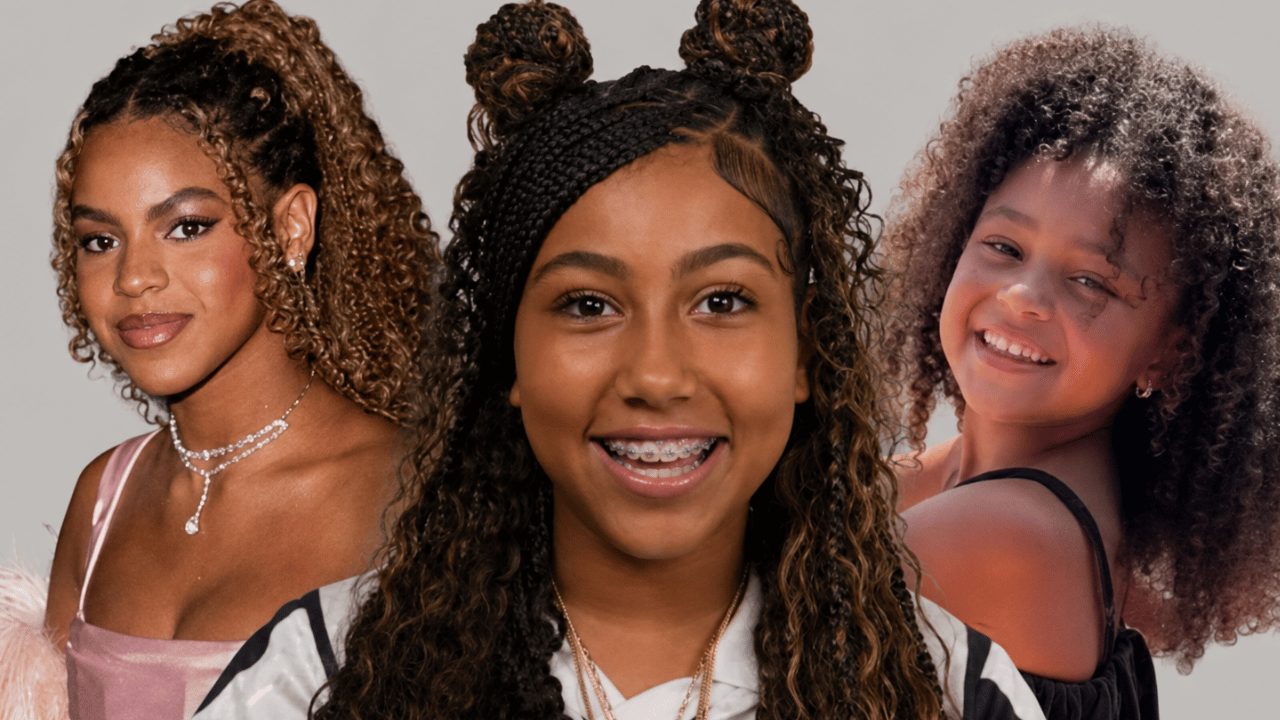
Famous kids brand deals have become a normal part of the entertainment economy, and some of the biggest names in Black culture and pop culture at large are earning real money before they’re even old enough to open their own bank account. What makes this different from a kid getting an allowance is the scale and the structure. These are trademarked names, production credits, and brand campaigns that generate serious income, all of it legally protected until the child becomes an adult and can actually access it.
North West is a clear example of this in motion. Kim Kardashian and Ye’s daughter has already performed at live events, had her name trademarked for multiple business ventures, and been positioned for entertainment and branding opportunities well before turning 18. Stormi Webster, Kylie Jenner and Travis Scott’s daughter, has followed a similar path, appearing in Kylie Baby campaigns with her name already trademarked for future ventures.
View this post on Instagram
Blue Ivy Carter has gone even further, earning actual production and songwriting credits on projects tied to Beyoncé, which means she isn’t just appearing in content, she’s generating royalty income from work she helped create. Additionally, she is a Grammy winner, just like her famous parents. Riley Curry became a marketing presence in her own right after a viral 2015 press conference moment, and has since been featured in campaigns connected to her father Steph Curry’s brand deals.
View this post on Instagram
None of this money is sitting in an account these kids can spend freely. Most of it is legally locked up, and the mechanism behind that goes back nearly a century. The protection largely traces back to what’s known as Coogan Law, named after Jackie Coogan, a child star discovered by Charlie Chaplin in the 1920s who earned millions during his career only to discover at 23 that his parents had spent nearly all of it. The resulting court battle led California to pass the Coogan Act in 1939, and the law was significantly strengthened in 1999 to require that a minimum of 15 percent of a minor’s gross entertainment earnings be automatically deposited into a blocked trust account. That account cannot be touched by the parents, and the child cannot access it either, not until they turn 18 or become legally emancipated. States including New York, Illinois, Louisiana, and New Mexico now have similar laws on the books.
The blocked trust structure means a production or brand has to deposit the required percentage directly into the account within a set window after payment, and the money stays untouched, often earning interest, until the child legally becomes an adult. It’s worth noting that traditional entertainment work like acting, modeling, and music falls under these protections, but social media income does not automatically. Kid influencers who build wealth through platforms rather than traditional entertainment contracts are not covered under Coogan style laws in most states, which is exactly why Illinois became the first state in 2023 to expand its rules to include influencers, with California and Pennsylvania considering similar moves since.
The more interesting question is what this money actually becomes once these kids grow up, and there are already real examples to point to. Kylie Jenner started building her public platform as a young teenager through reality television, and by the time she was an adult she had turned that early exposure into Kylie Cosmetics, a company that eventually sold a majority stake to Coty in a deal reportedly worth hundreds of millions of dollars.
Zendaya began earning through Disney Channel work as a young teen, and her adult career now includes an estimated net worth in the tens of millions built through film, fashion, and major brand partnerships that trace directly back to the platform she built as a minor. Willow Smith signed a record deal at just 9 years old, and rather than fading into a one hit novelty, she spent her adult years building an independent music career and business ventures entirely separate from her family’s larger entertainment empire.
What separates the kids who turn early fame into lasting wealth from the ones who don’t usually comes down to structure. A blocked trust account is only the legal floor, not the full financial plan. Families who bring in actual wealth managers, diversify beyond a single platform, and treat a child’s early earnings as the seed of a long term portfolio tend to produce adults with real financial independence. Families who treat it purely as a payday tend to see that money disappear the same way Jackie Coogan’s did nearly a century ago.
For a new generation of celebrity kids growing up with trademarked names and brand deals before they can drive, the structure protecting that money matters just as much as the size of the number itself. The kids earning today are essentially building the opening chapter of a financial story that won’t fully play out for another decade or more, and based on the examples already out there, how that story ends depends far less on talent and far more on what happens with the money in the meantime.
