

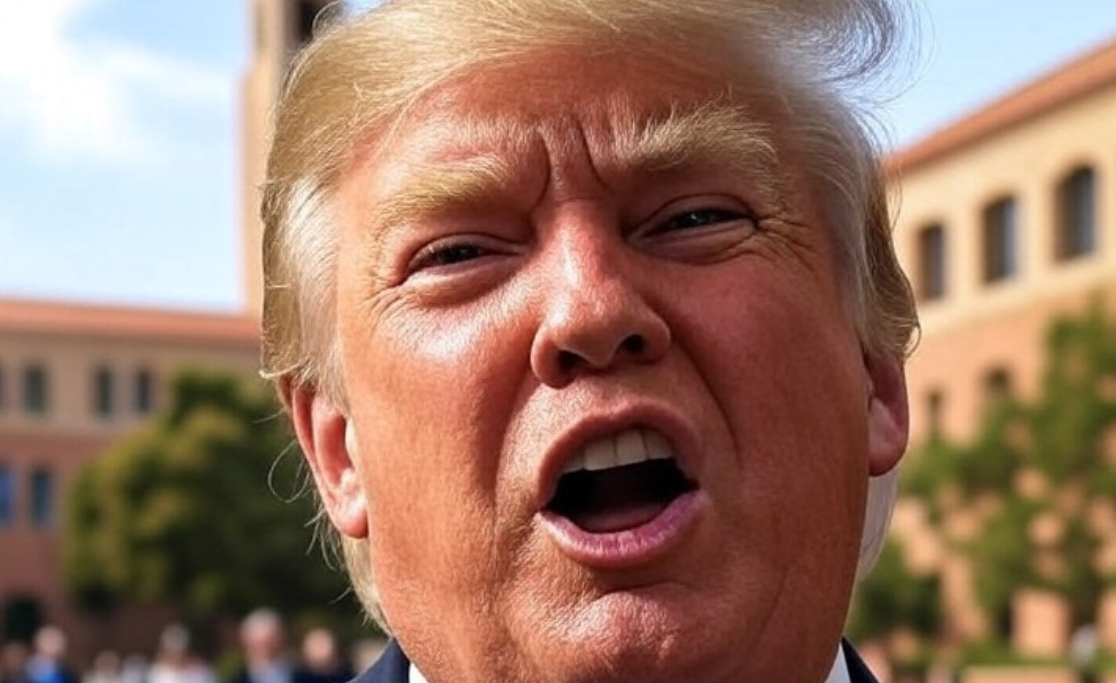
The Dulles renovation unveiled by Trump on Wednesday and comes with a stunning $22.5 billion price tag, a sweeping redesign, and one question travelers should be asking before getting distracted by shiny terminals and a massive new parking garage: Who is actually paying for all of this?
According to the Associated Press, Trump announced the project on July 29 with plans to replace aging concourses, expand passenger rail service, improve walking connections, and reshape one of the country’s busiest international gateways.
“This transformation is another step in our ongoing efforts to make Washington, D.C., safe and beautiful again,” Trump said. He also argued the frustration surrounding Dulles crosses party lines, saying, “whether you’re Republican or Democrat, you don’t want to go and be subjected to this airport.”
The Dulles renovation is undeniably ambitious. The plan includes about five million square feet of new or renovated airport space while preserving the original terminal designed by Finnish American architect Eero Saarinen. Trump called the terminal “iconic,” while making clear that much of the airport surrounding it is headed for major change. The plan calls for replacing the existing C and D concourses, expanding train access, creating new walking connections, and adding substantial parking capacity. Trump summed up his criticism of the current passenger experience bluntly: “It’s an impossible airport: You go off a bus, you get into a train; you get off of a train, you get into another bus.”
There is little debate that Dulles needs investment. The more complicated issue is how a $22.5 billion Dulles renovation gets paid for when officials are emphasizing that federal spending is not supposed to cover the bill. The Metropolitan Washington Airports Authority and airlines serving Dulles plan to finance the project through municipal bonds and airline contributions. MWAA President and CEO Jack Potter said the project would be completed “not requiring federal dollars.” He followed that with the phrase that matters most for passengers trying to understand the financing: “This is going to be airport-generated dollars, airline contributions.”
That explanation does not mean the renovation is free to the public. Municipal bonds are financing. Investors provide money upfront and the debt must be repaid over time. The Metropolitan Washington Airports Authority’s own financial overview explains that MWAA issues bonds to finance airport capital infrastructure. The Authority also says airline rates and charges are established to recover the costs of airport facilities and help ensure debt service requirements are met. Its aviation budget takes airline activity, concession revenue, operating expenses, infrastructure costs, and debt service into account. In other words, airport generated money is still money produced by the businesses and people using the airport system.
That makes the funding model behind the Dulles renovation more important than the phrase “no federal dollars” might suggest. Bondholders may provide much of the initial capital, but airlines and airport revenue streams become central to paying those obligations over time. Airlines already pay landing fees, terminal rents, and other charges established by the airport authority. Travelers generate additional airport revenue through the businesses operating inside the airport, including parking, rental cars, food, retail, and other concessions, all categories listed by MWAA’s concessions program. That does not mean every coffee, parking payment, or airline ticket will carry a specific Dulles renovation surcharge. It does mean the airport economy ultimately has to support the debt.
There is already a precedent for airlines playing a major financial role. Before the new $22.5 billion vision was announced, MWAA approved a long range agreement with airlines covering a multibillion dollar construction program at Dulles and Reagan National. According to an official MWAA announcement on the agreement, that plan included $6.99 billion in capital construction at Dulles and required airline funded debt service coverage intended to maintain a target ratio of at least 140 percent. Reuters reported Wednesday that the newly announced project sits alongside that previously approved roughly $7 billion Dulles capital plan, dramatically increasing the scale of what airport officials and airlines are now considering.
That is where passengers enter the conversation. Officials have not explained how much of the renovation cost could eventually be passed along to travelers through higher airline fees or ticket prices. Airlines do not operate separately from their costs. If airport charges rise substantially to support construction and debt payments, carriers have to decide how those expenses fit into fares, schedules, routes, and their overall business at Dulles. United Airlines is particularly important because Dulles is one of its major hubs. Reuters reported that United handles about 70 percent of airport traffic and is expected to participate financially in the transformation.
For now, the scope is moving faster than some of the financial details. Transportation Secretary Sean Duffy said officials “think we can start construction in the spring of next year.” Congressional permissions are still required for portions of the project, meaning the Dulles renovation still has regulatory steps ahead. Trump nevertheless presented the plan as “a modernization of Dulles that’s sorely needed,” while also saying “cost was no object” during the design process.
That last statement is exactly why the financing deserves scrutiny. A $22.5 billion airport transformation may deliver better terminals, shorter connections, improved transit inside the airport, new restaurants, more parking, and a more polished gateway to Washington. But somebody always pays for infrastructure at this scale. Officials say it will not be federal taxpayers through a direct federal funding commitment. Based on MWAA’s existing financial structure, the burden is instead being placed on airport financing, airlines, and revenue generated through the airport itself.
The remaining question is how much of that burden ultimately reaches the traveler.
When officials say the airlines and the airport are paying for the Dulles renovation, that may be technically accurate. But as billions in bonds come due and airport costs rise, passengers will be watching to see whether the most expensive part of the makeover eventually appears somewhere that was not shown in the architectural renderings: the price of using Dulles.
