

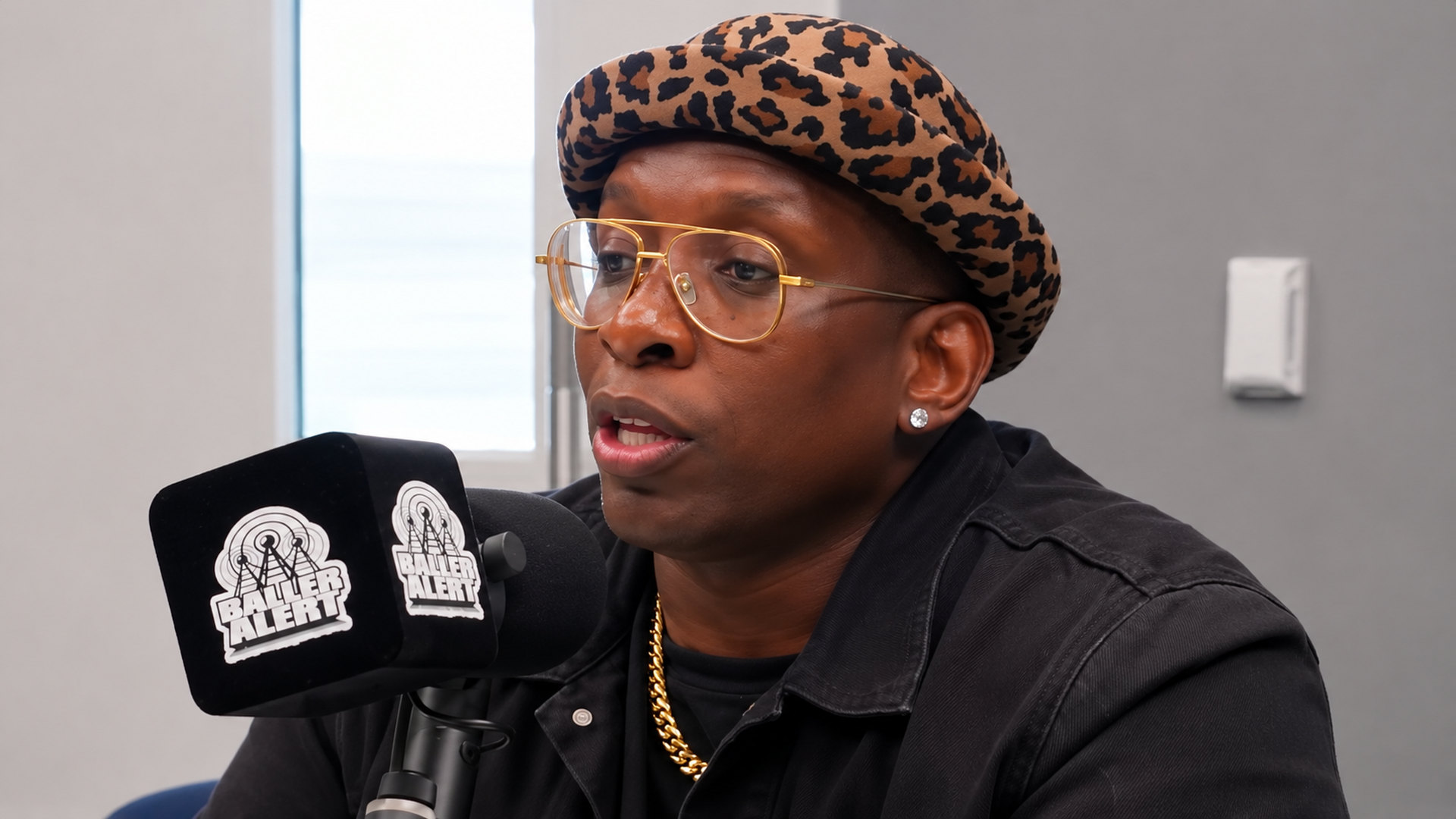
Former Yeezy designer Omar Bailey says Jordan production costs are likely much higher than the $6 figure raised during his interview on The Baller Alert Show. Bailey, who previously led the Adidas Yeezy Innovation Lab, explained that making a sneaker is only one part of the expenses behind the price shoppers eventually see.
Video
Asked whether it costs about $5 or $6 to make a Jordan sneaker, Bailey didn’t give a simple number.“Yes and no.”
Rather than treating every Jordan as identical, Bailey pointed to differences between models, economic conditions and materials.
“It depends on the, depends on the shoe,” he explained. “Just depending on the economy, what’s going on, the cost of oil, all of that stuff, right?”
The manufacturing bill can fluctuate depending on the materials a brand chooses, the complexity of the design and the conditions under which its products are made. Even two shoes carrying the same logo may involve different production expenses.


Made to order and shipped to your door.
“If I had to bet, I’m pretty sure that like it’s not a $6 shoe right now.”
“I would say at least minimum like $15.”
Bailey presented that $15 figure as an estimate, not a confirmed Jordan Brand factory cost. He did not identify a specific Air Jordan model or provide Nike’s manufacturing records. His larger point was that the number attached to assembly alone does not tell the entire story.
“Let’s say it does just cost, it costs $15 then you have to ship it here, right? Like that’s another, that could easily be another $5 per pair. You have your custom duties.”
Under that illustration, manufacturing and shipping would already total $20 per pair before additional charges. Import duties can increase the bill further when sneakers move from overseas factories to the United States.
“Now you slap like a 50% tariff on top of that, not to mention now you have the marketing costs, you have all the overhead costs that come with that, what it costs like to actually sell that shoe.”
The 50% figure was part of Bailey’s example, not a verified tariff applied to every pair of Jordans. Actual import duties depend on where footwear is manufactured and the trade rules in effect.
Beyond getting the shoes into the country, companies must account for advertising campaigns, distribution, employees, retail operations, and other business expenses. Those costs help explain why a product’s factory price and its store price are not interchangeable.
Jordan production costs also should not be confused with a brand’s profit on each sale. Retailers may purchase inventory at wholesale prices, while brands selling directly to consumers take on expenses associated with running their own stores and online platforms.
Bailey now operates FCTRY LAb, a footwear design and development venture, after years working on sneaker innovation and manufacturing.
