

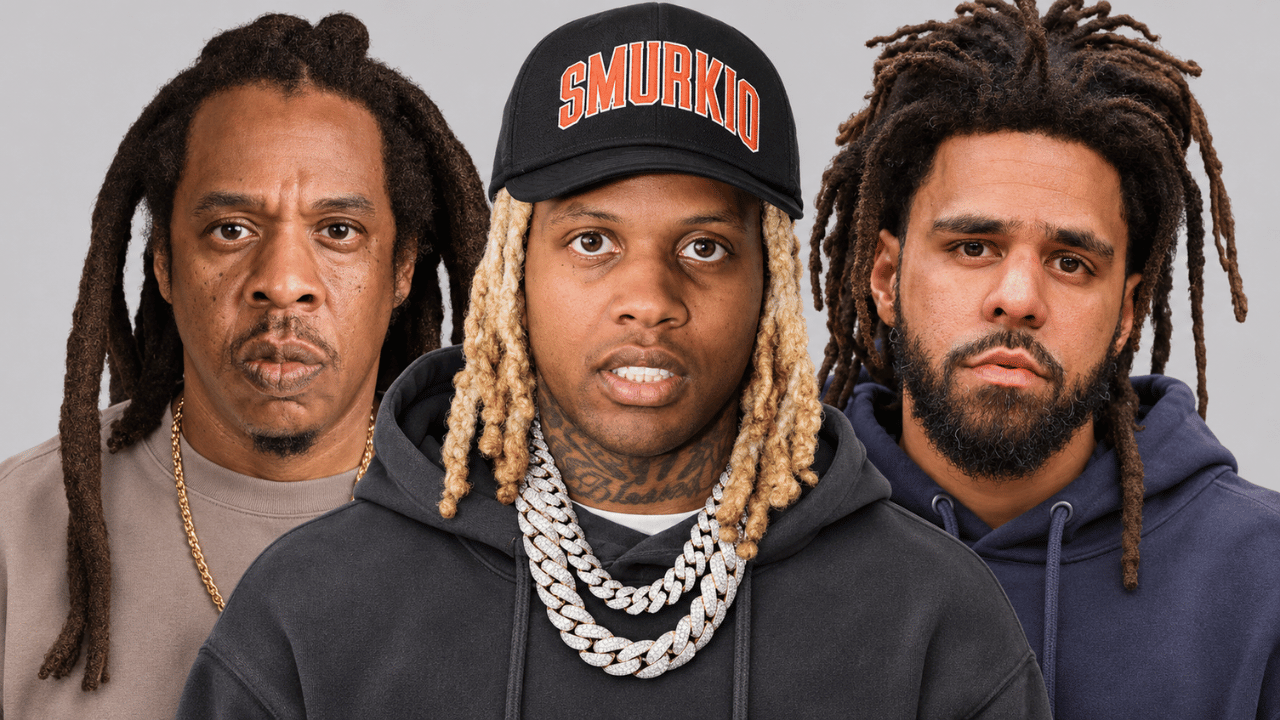
The Lil Durk bond fight intensified Wednesday, November 4, after federal prosecutors accused the Chicago rapper of using support letters from Jay-Z, J. Cole and other prominent figures to pressure the court into granting his release. In their opposition to his latest request for pretrial freedom, prosecutors argued that celebrity endorsements should not determine whether he can await his next federal trial outside custody.
“Defendant has trotted out several celebrities in his support,” prosecutors wrote. “This familiar playbook to apply public pressure to these proceedings, in search of preferential treatment, should be rejected out of hand by this Court.”
The statement is a direct challenge to the influence of two of hip-hop’s biggest names. Prosecutors did not accuse Jay-Z or J. Cole of committing a crime. Instead, they portrayed the celebrity letters as an attempt to generate pressure for a decision they believe should be based on the rapper’s alleged risks, not his industry connections.
The pushback comes after Durk’s legal team submitted character letters on October 27 ahead of his November 4 hearing before U.S. District Judge Michael W. Fitzgerald in Los Angeles. Jay-Z, J. Cole, Fanatics founder Michael Rubin and former Cook County State’s Attorney Kim Foxx were among those who offered support.
Jay-Z’s contribution to the Lil Durk bond request was rooted in his personal encounters with the rapper. He described Durk, whose legal name is Durk Banks, as disciplined, respectful and committed to creating opportunities for artists from his Chicago community. In his letter, Jay-Z recalled how Durk used his position in the music business to help younger performers enter the industry. He also argued that returning home would allow Durk to support his family and continue his community work.
J. Cole drew on his firsthand experience recording their Grammy-winning collaboration, “All My Life.” Cole explained that Durk insisted on the song’s uplifting direction because he wanted to promote growth, peace, and maturity. Cole also recounted meeting young people at a Cleveland juvenile detention center who connected deeply with Durk’s music.
For prosecutors, those personal endorsements do not erase their concerns about Durk’s release. Their filing argues that he remains a flight risk and a danger to the community, despite the statements submitted on his behalf. Prosecutors also pointed to prior bond denials and alleged violations of detention-center rules.


Made to order and shipped to your door.
The proposed Lil Durk bond package goes far beyond a traditional cash pledge. His attorneys have offered future music royalties, publishing income, touring revenue and other earnings as potential security. Sony Music Entertainment has offered to guarantee an appearance bond of up to $1 million, while supporters have pledged additional cash and property.
Durk’s defense maintains that the financial consequences of violating release conditions would be devastating, giving him every incentive to follow the court’s rules. His lawyers also point to his September 11 acquittal on all five charges tried before a federal jury as a reason to reconsider his continued detention.
That acquittal followed a trial over the August 2022 shooting that killed Saviay’a “Lul Pab” Robinson in Los Angeles. Prosecutors alleged the attack was aimed at rapper Quando Rondo. Durk denied involvement, and the jury found him not guilty. However, separate murder-in-aid-of-racketeering and firearms charges remain pending. He has pleaded not guilty to those charges as well.
Another voice in the Lil Durk bond debate came from Andrea Robinson, the mother of the man killed in the shooting. In a letter to the judge, she said her family would not object to Durk receiving bond if the court deemed it appropriate. Her position does not require the judge to release him.
Federal prosecutors also raised allegations concerning Durk’s conduct at the Metropolitan Detention Center in Los Angeles, including a possible contraband-related investigation. Reporting indicates he was moved to restrictive housing following a dispute with staff. Those allegations have not been established in court and are not proof that Durk possessed contraband or committed an additional offense.
The judge must evaluate the Lil Durk bond proposal under federal pretrial detention rules, including whether release conditions could reasonably address the risks the government identifies.
