
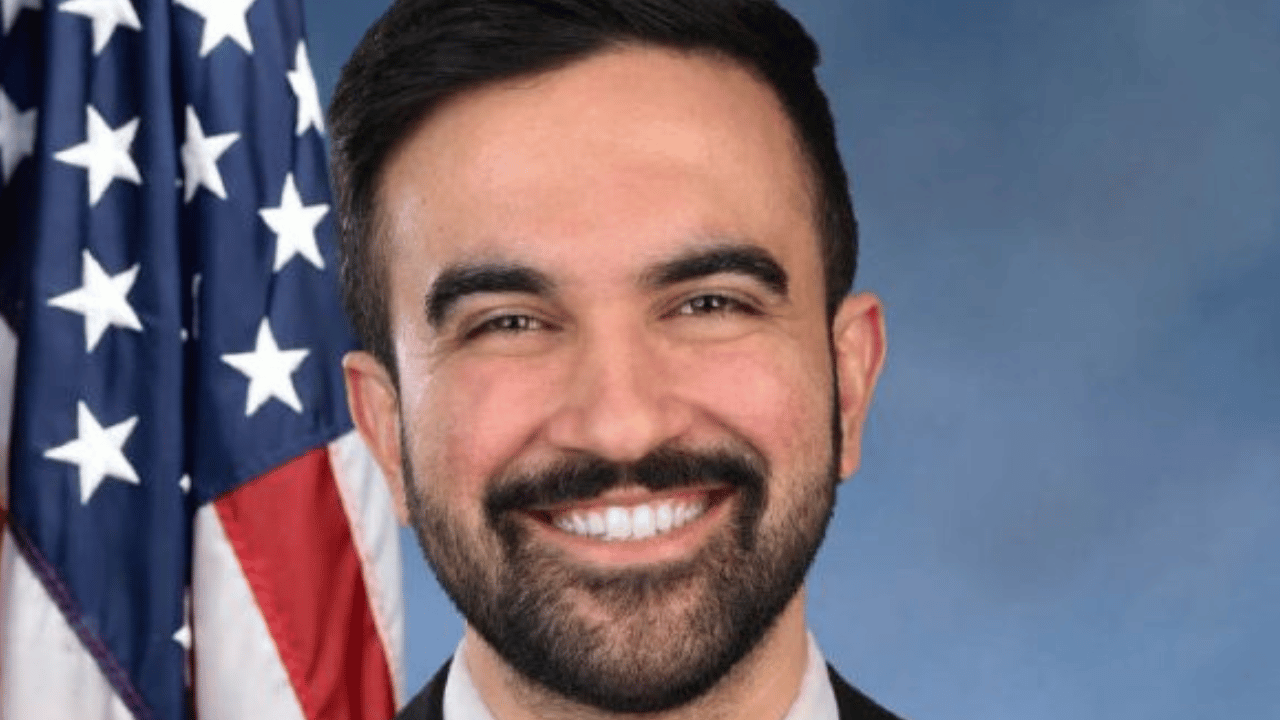
The Mamdani grocery plan came into sharp focus this week when Mayor Zohran Mamdani stood in East New York and laid out exactly how New York City intends to run its own grocery stores and how much shoppers would save. The short version is five city owned supermarkets, one in each borough, selling a core basket of everyday essentials at 30% below typical retail prices. The longer version, including who pays for it, when the stores open, and who is fighting it, is where the real story lives.
Start with the pricing. Under the Mamdani grocery plan, each of the five stores will discount a core group of staples by 30% compared to what those items usually cost at retail. That basket covers all fresh produce, meat, and seafood, along with eggs, cheese, milk, bread, pasta, and roughly twenty other pantry and refrigerated goods. Everything outside that core set would sell at ordinary market prices. The discounts are not tied to income, so any New Yorker can walk in and pay the lower price, no matter what they earn.
One detail that matters is how the prices behave. Rather than shifting week to week the way supermarket sales do, the city plans to set the discounted prices once at the start of each month and hold them there for the entire month. Mamdani framed this as removing the guesswork and the sticker shock, telling reporters the savings would last the whole month with no weekly fluctuations. He also took direct aim at what he called surveillance pricing, the practice of some retailers using personal data to charge different customers different amounts for the same item.
The savings figures in the Mamdani grocery plan deserve a careful read. The 30% cut applies to that core basket of essentials, but the city’s own estimate of the effect on a household’s overall grocery bill is more modest, in the range of 15%, or about $90 a month. That still adds up to roughly $1,000 a year for a regular shopper, which is real money in a city where, by the administration’s own accounting, grocery prices have climbed nearly 66% over the past decade, well ahead of the national pace.
The structure is where this differs from a normal supermarket. The city owns the land or leases the space, and it covers the cost of construction or renovation. It then waives rent and property taxes on the sites, and those savings are meant to flow straight to consumers in the form of lower prices rather than into profit. The actual running of each store would be handled by a private grocer or firm, not city employees working the registers. To find those operators, the administration issued a lengthy request for proposals, and it is requiring that whoever runs the stores commit to living wages and the right of workers to organize.
The money and the timeline behind the Mamdani grocery plan are more sobering than the pricing pitch. Mamdani has allocated $70 million in capital funds to develop all five sites, and none of this happens overnight. The first store is expected to open around late 2027, and all five are projected to be running by 2029, which is the end of the mayor’s first term. So while the announcements are landing now, New Yorkers will be waiting years before they can actually shop at one.
Two locations under the Mamdani grocery plan have been named so far. La Marqueta in East Harlem will house a roughly 9,000 square foot store built from the ground up, and a second site is set for the Hunts Point section of the Bronx. The administration has leaned on the demographics of these neighborhoods to make its case. Mamdani noted that around 65,000 New Yorkers live within a short walk of La Marqueta, that thousands of NYCHA residents are clustered nearby, and that close to 40% of East Harlem residents received public assistance or SNAP benefits in the past year. Hunts Point, in the South Bronx, is a neighborhood still carrying the weight of decades of economic disinvestment. To coordinate the rollout, the city also created an NYC Groceries Task Force, led by two deputy mayors, to bring in agencies, industry experts, and local small business owners.
City Hall has been careful to frame the stores as one piece of a broader food agenda rather than the whole thing, and Mamdani has repeatedly insisted the goal is not to compete with the corner bodega or the neighborhood supermarket. That promise is aimed squarely at the loudest criticism, because the opposition to the Mamdani grocery plan is already organized and it is not going away.
The most consequential resistance comes from inside city government. City Council Speaker Julie Menin has raised concerns about how publicly owned stores could affect existing bodegas and independent supermarkets, and that matters because the Council ultimately controls whether the funding gets approved. That sets up real friction between the mayor and the lawmakers he needs. Beyond City Hall, small business groups and independent grocers argue that dropping subsidized stores into a market where profit margins are already razor thin, often just one or two percent, could destabilize the private grocers who have served these neighborhoods for years. Their fear is that a store paying no rent and no taxes is not competing on a level field.
The skepticism reaches the state level too. Governor Kathy Hochul, a fellow Democrat, distanced herself from the idea, saying plainly that she favors free enterprise. Critics have also seized on a real world cautionary tale, pointing to a city owned grocery store in Kansas City that shut down after years of losses, reported shoplifting problems, and empty shelves, with the city having sunk millions into keeping it alive. Opponents treat that as a preview of what New York is signing up for. Supporters counter that a handful of pilot stores in a city the size of New York is a modest experiment rather than a takeover of the grocery business, and that the underlying problem the plan is trying to solve, families priced out of feeding themselves, is real and getting worse.
That is the full shape of the Mamdani grocery plan as it stands now. It is ambitious, it is slow, and it is contested. The pricing is concrete, the 30% discount is specific, and the neighborhoods have been chosen with clear need in mind. At the same time, the stores are years away, the cost to taxpayers is real, and the people who control the money and the people who run the city’s existing grocers are not sold. Whether it becomes a model other cities copy or a lesson in why government struggles to run a supermarket will come down to what actually happens after the first doors open in 2027.