

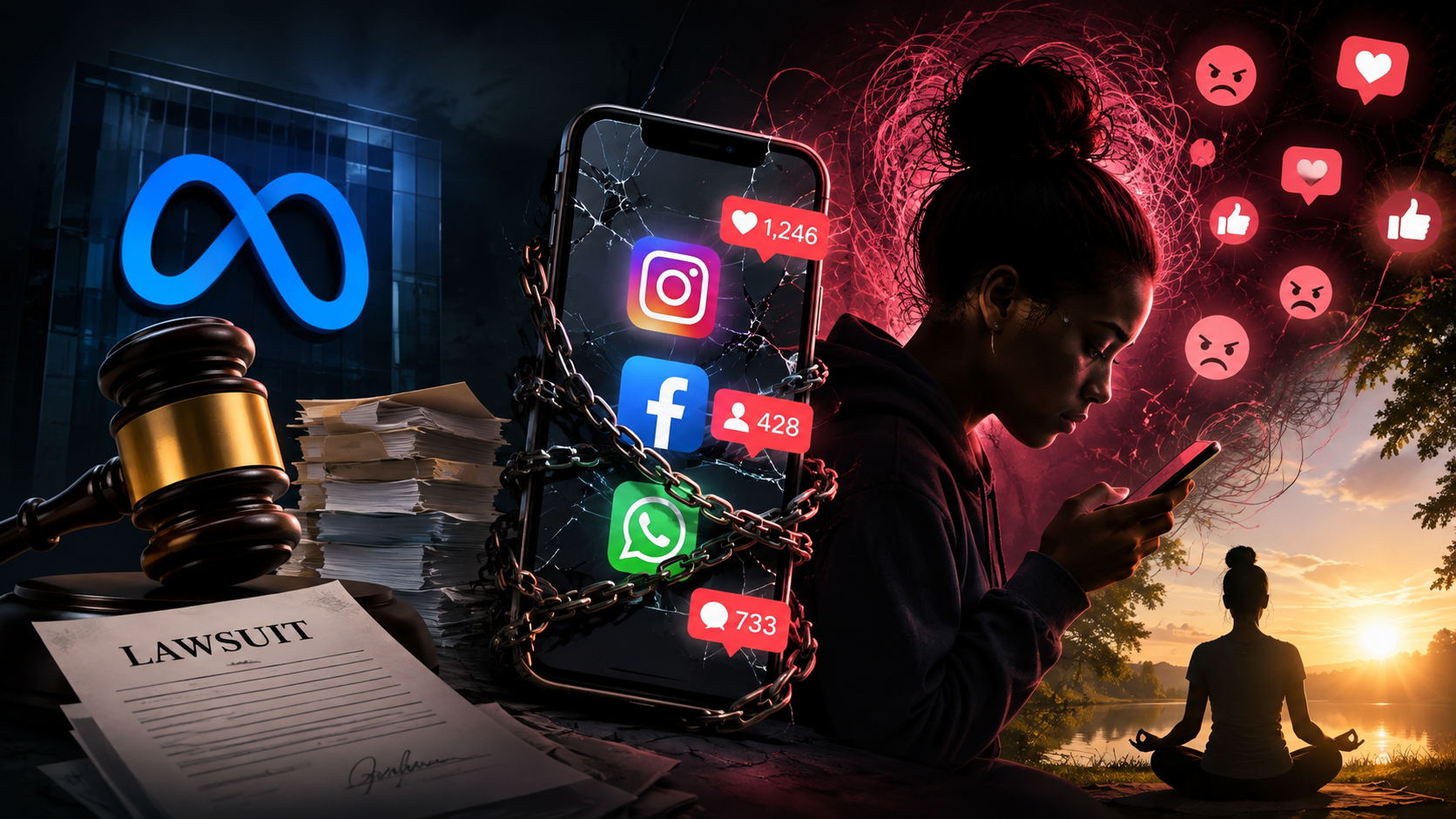
The scale of this litigation is massive. The number of pending cases in the federal social media addiction multidistrict litigation has climbed to 3,137 lawsuits as of this August, all centered on claims that platforms were intentionally designed to hook young users. These aren’t just individual complaints either. A coalition of attorneys general representing 41 states and Washington D.C. has filed suit against Meta, alleging the company intentionally built features on Facebook and Instagram to be exploitative, and a federal judge has already ruled that Meta must continue facing these claims from more than 30 states over allegations that its addictive algorithm designs are harming children and teenagers.
Meta has already taken a real financial hit. The company was ordered to pay $567 million into a teen mental health fund established by New Mexico’s government, and as part of that ruling, a judge also required Meta to take additional protective steps, including limiting notification features and AI chatbots for young users. That case wasn’t isolated. A separate bellwether trial resulted in a jury awarding $6 million in combined compensatory and punitive damages, split between Meta and YouTube, with Meta taking on the larger share of that judgment.
The details coming out in court are honestly eye opening. During one high profile trial, Mark Zuckerberg himself took the stand to answer questions about a 2015 email that appeared to call for increasing user engagement on Instagram, and internal documents were introduced showing the company had estimated around 4 million users under the age of 13 on the platform at that time. The case in question involved a young woman whose social media use began at just 10 years old. She and her mother allege that her years on these platforms led to a dangerous dependency, along with anxiety, depression, self-harm, and body dysmorphia, and that she also experienced bullying and sextortion on Instagram that reportedly went unaddressed for two weeks despite repeated reports from friends and family. That’s not a story about someone lacking discipline. That’s a story about a system that critics argue was engineered to keep users, especially young ones, locked in.
Meta isn’t the only company caught up in this wave. TikTok has been finalizing settlements in multiple social media addiction cases involving teenage plaintiffs who allege the platform contributed to addiction and self-harm, and the company chose to settle rather than let juries hear those cases in open court. Snapchat and Google’s YouTube have faced similar claims, with YouTube already reaching settlements of its own in related litigation.
So where does that leave the rest of us, the people who don’t have a courtroom to hold their apps accountable but still feel that pull to check notifications every few minutes. The good news is that curbing social media addiction doesn’t require cutting yourself off completely. It requires being intentional about the systems you’re up against, because now we have actual court testimony confirming these apps were built to keep you scrolling.
Start by turning off non essential notifications entirely. Every buzz and red dot is designed to pull your attention back to the app, and removing that trigger cuts down on the automatic urge to check your phone throughout the day. Most phones now also come with built in screen time tools that let you set hard limits on specific apps, and using them consistently, rather than swiping past the warning every time it pops up, makes a real difference over a few weeks.
Moving social apps off your home screen is another small but effective shift. Making an app slightly harder to open interrupts the mindless reflex of opening it out of boredom, giving you a beat to actually decide whether you want to be scrolling in that moment. Some people go a step further and use grayscale mode, which strips the color out of your phone’s display and makes the whole experience noticeably less stimulating and less tempting to sit with.
It also helps to remember that the pull you’re feeling isn’t a personal failure. With lawsuits now revealing internal company documents and executive testimony about engagement driven design, there’s real evidence that these platforms were built with retention as a priority. Understanding that the deck has been stacked in certain ways doesn’t excuse checking out of accountability for your own habits, but it does take some of the shame out of the struggle. You’re not weak for finding it hard to put the phone down. You’re up against systems that were quite literally engineered to make that hard.
The legal fallout from these lawsuits is still unfolding, and it’s likely we’ll see more settlements, more trials, and more internal company details come to light in the months ahead. In the meantime, the best move is treating your own relationship with these platforms with the same scrutiny the courts are now applying to the companies behind them. Small, consistent boundaries add up, and taking your attention back doesn’t require quitting the apps entirely, just refusing to let them run the show.
