

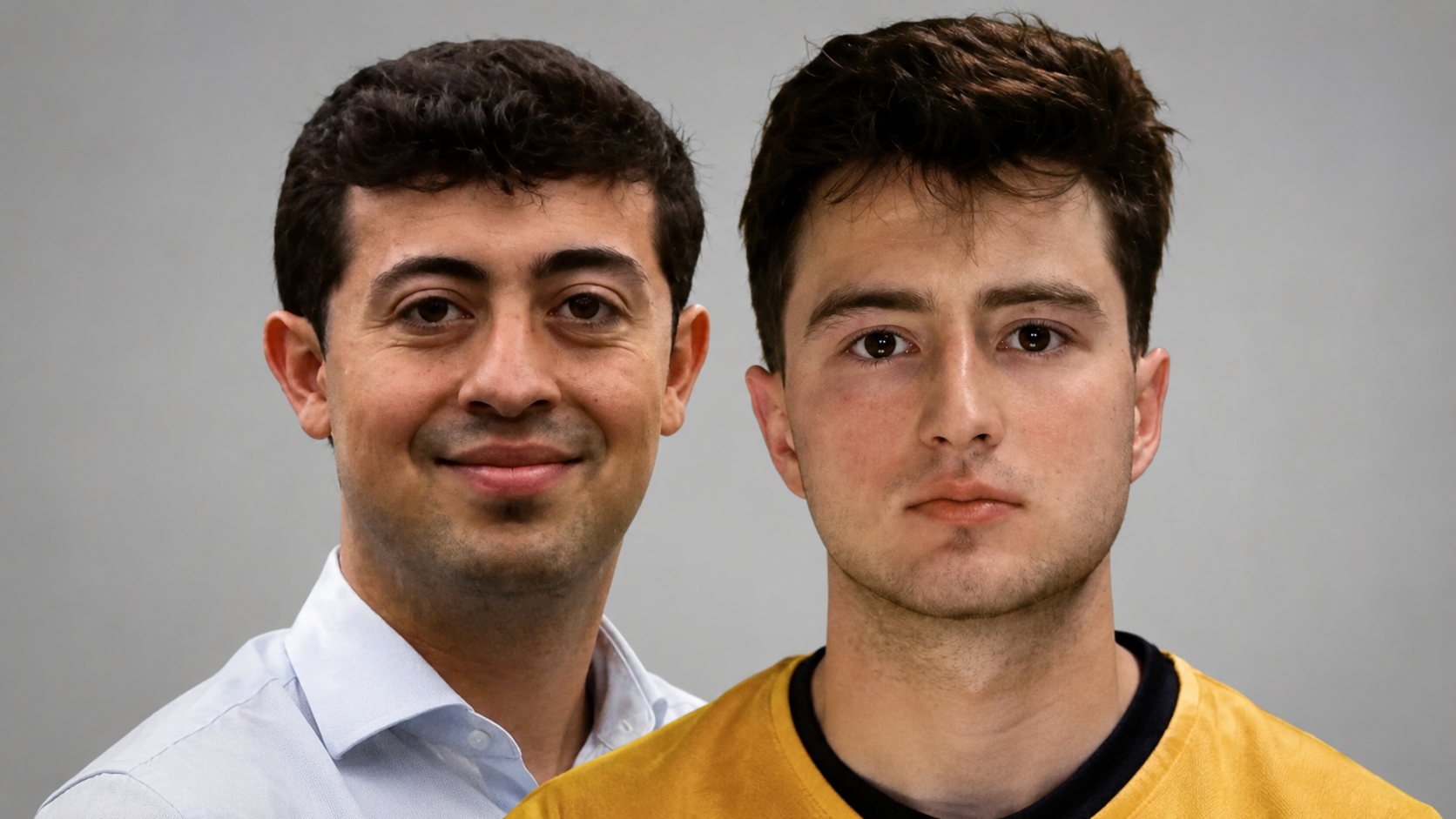
A sprawling drug case tied to two Penn State fraternities took a major turn Tuesday when the man prosecutors describe as the operation’s top cocaine supplier surrendered and was denied bail. The alleged cocaine trafficking ring has now resulted in charges against 14 people, including 13 current or former Penn State students and the father of one accused student. According to the Pennsylvania Office of Attorney General, investigators say the operation centered around members of Sigma Chi and Delta Upsilon and primarily unfolded in 2023 and 2024.
Agostino Abbatiello, 24, of Westbury, New York, surrendered Tuesday morning after failing to appear for his scheduled arraignment Monday, according to an update from the Pennsylvania Attorney General’s Office. Abbatiello was arraigned on numerous felony charges, including multiple counts involving possession with intent to deliver cocaine and conspiracy. A judge denied him bail. Attorney General Dave Sunday said, “Abbatiello was at the very top of the chain,” according to WABC Eyewitness News.
The allegations behind the cocaine trafficking ring go far beyond recreational drug use at fraternity parties. Court records released by the Attorney General’s Office say a State College police investigation began in September 2024 and included controlled cocaine purchases. Investigators said Thomas Robinson, then associated with Delta Upsilon, was arrested after multiple controlled purchases and later identified Abbatiello, a Sigma Chi member, as a source of cocaine.
Grand jury records allege Robinson described several large transactions with Abbatiello during 2024, including purchases involving hundreds of grams and, on separate occasions, one kilogram of cocaine. The records also allege fraternity pledges helped divide cocaine into smaller bags for distribution. Sunday described the alleged practice in especially stark terms, saying, “Cutting and bagging cocaine was, for some pledges, an indoctrination into the Delta Upsilon and Sigma Chi fraternities,” according to WABC.
Investigators contend the cocaine trafficking ring expanded as drugs were sourced through contacts in Philadelphia and New York. The grand jury presentment says Larz Zeepvat, a Sigma Chi member, testified that Abbatiello eventually obtained a New York source and began purchasing larger quantities. Zeepvat also alleged he and Robert Zanolla made three trips to obtain cocaine for Abbatiello, with the drugs brought back to State College.
The same presentment says witnesses described Abbatiello as the largest cocaine distributor at Penn State during the period under investigation. Prosecutors allege he expanded distribution beyond fraternity members to other students and continued distributing cocaine among friends as recently as February 2026. Those claims remain allegations and have not been proven at trial.
Prosecutors also accuse Thomas Robinson of playing a major role in the operation. The Attorney General’s Office says Abbatiello and Robinson served as the main suppliers while Mohammed Huraibi and Larz Zeepvat were also charged with felony offenses connected to the organization. Robert Zanolla faces felony conspiracy and criminal use of a communication facility charges along with related misdemeanor counts. Eight additional defendants face misdemeanor drug possession and paraphernalia charges.
The cocaine trafficking ring investigation also reached outside the student population. Paul Robinson, Thomas Robinson’s father, is accused of interfering with the investigation. Describing those allegations, Sunday said, “…Who we allege took steps to conceal evidence including a safe containing drugs and cash,” according to WABC. Prosecutors have charged Paul Robinson with offenses that include evidence tampering and hindering apprehension.
Zanolla, 24, of Manhasset, New York, is accused by investigators of helping transport cocaine from New York. When WABC reporters approached a residence connected to him, a person who answered the door declined to discuss the case, saying, “Yeah, I’m not talking.”
Penn State has moved to distance the university from the alleged conduct. In an official university statement, Penn State said Delta Upsilon was placed on interim suspension while its student accountability office investigates. The university also said Sigma Chi is not a recognized Penn State organization and operates outside university support and oversight.
Andrea Dowhower, Penn State’s vice president for Student Affairs, said, “We are horrified by these serious allegations,” and added that “criminal activity, including hazing such as this, has no place at our institution.” The university said it intends to cooperate with law enforcement while separately reviewing potential student and organizational misconduct.
Sigma Chi has also taken action as scrutiny surrounding the alleged cocaine trafficking ring intensifies. According to NBC10 Philadelphia, Sigma Chi executive director Michael J. Church said members charged in the case had been suspended pending the investigation and that the chapter was placed on interim suspension while the organization determines whether the allegations involved individuals or broader chapter activity.
Sunday has framed the case as a warning that being part of college social life does not insulate anyone from serious criminal consequences. “Just because you’re at college and you’re making money, and you think that this is something you can get away with … it’s not,” he said, according to WABC. Following Abbatiello’s surrender, Sunday said the most significant alleged members of the organization were accounted for, and that preliminary hearings would be the next stage of the case.
For families watching the case unfold as students return to campuses, the allegations also raise questions about how dangerous behavior can become normalized inside closed social circles. Manhasset resident Trish Dessi told WABC, “If you’re not in a good place, call your parents, call somebody that you love that will help you; that’s really what it’s about. It’s unfortunate, and I hope these boys are OK and their future’s OK.”
The charges now place the alleged cocaine trafficking ring in the hands of Pennsylvania’s court system, where prosecutors will have to prove the accusations against each defendant and those charged will have the opportunity to contest the government’s case.
