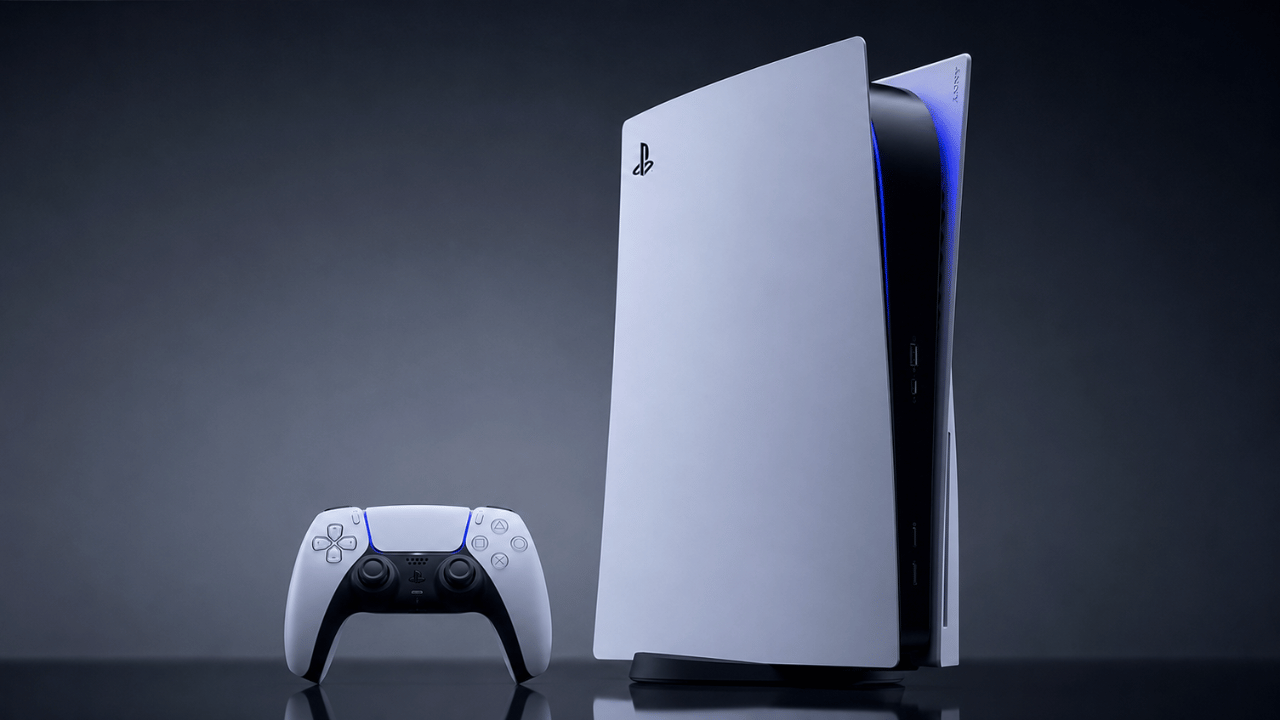
PlayStation physical discs are officially on their way out, and Sony just gave the gaming world a firm deadline to prepare for it. The company announced that starting in January 2028, it will completely stop producing physical discs for new PlayStation games, meaning every title released after that date will only be available through digital downloads from the PlayStation Store or participating retailers. Games that hit shelves before January 2028 will remain untouched, so your current disc collection and any titles releasing over the next year and a half are safe.
Sony broke the news in a post on the official PlayStation Blog, framing the move as a response to how people already play. “This is a natural direction for Sony Interactive Entertainment to adapt to consumer trends,” the company explained, pointing to the fact that digital downloads have overwhelmingly become the preferred way fans access their games. The numbers back that up. Sony reported that 85 percent of PlayStation games are now sold digitally, and according to industry analysts at Ampere Analysis, digital sales made up just 13 percent of Sony’s total game sales back in 2013. Just over a decade later, that number flipped, with digital purchases accounting for roughly 80 percent of full game sales last year. Analyst Piers Harding Rolls called Sony’s announcement a watershed moment for the industry, and he predicts it also signals that Sony’s next console, the widely rumored PlayStation 6, likely will not arrive before 2028 and may skip a disc drive entirely, following the lead of the PlayStation 5 Pro, which already ships without one.
Important updates:
News on physical discs for new games – https://t.co/BzZODXdWGY
News on PlayStation Store on PS3 and PS Vita – https://t.co/ev3mN6wj14 pic.twitter.com/PWXTZGHAh6
— PlayStation (@PlayStation) July 1, 2026
This shift toward PlayStation physical discs disappearing did not happen in isolation. It follows closely behind one of the biggest controversies in gaming this year, the reveal that Grand Theft Auto VI’s physical edition will not actually include a disc. Rockstar Games and Take Two confirmed that boxed copies of GTA VI will contain nothing more than a download code, meaning even fans who pay full price for what looks like a traditional retail copy will still need to redeem it online and download the entire game before playing. The backlash was immediate. Some retailers, including the longtime Canadian game shop Video Games Plus, announced they would refuse to stock the release altogether. The store, which has operated for nearly four decades, said in a statement that it remains “committed to supporting physical media and preserving the value of physical game ownership,” and made clear it would gladly bring GTA VI back to its shelves if Rockstar ever ships a version with an actual disc inside. Despite the outrage, longtime industry analyst Mat Piscatella does not expect it to hurt sales. He noted that game companies have already normalized this practice, with over 140 titles using download codes in place of discs so far this year alone, and he said plainly, “I can’t say that this changes anything regarding total sales expectations.”
The move toward PlayStation physical discs vanishing also fits into a much bigger picture across the entire industry. Microsoft has been quietly leaning digital for years, and Circana data shows that more than half of all Xbox Series consoles sold in the United States do not even come with a disc drive anymore. Capcom’s digital sales rate sits at a staggering 93 percent. The one major holdout remains Nintendo, which continues to sell a meaningful chunk of its library on physical cartridges, with about half of its game sales still coming from physical copies. Nintendo’s new Switch 2 console still supports true cartridges for many titles, though the company has also introduced something called game key cards, which look like traditional cartridges but actually require a full download to play, blurring the line between physical and digital even for a brand that has built part of its identity around collectible hardware.
What this all means for gamers is a fundamental change in how ownership works. Physical discs allowed players to resell games, lend them to friends, buy secondhand copies at a discount, and hold onto a piece of gaming history that does not depend on a server staying online. Digital only libraries remove all of that. Once PlayStation physical discs stop being produced, players lose the ability to walk into a store and simply buy a used copy of a new release, and their access becomes tied entirely to their account and the continued existence of Sony’s digital storefront. For collectors and preservationists, this raises real questions about what happens to gaming history decades from now if the servers hosting these digital libraries ever go dark.
Still, Sony insists this is simply where the culture is heading, not something being forced onto players against their will. The company emphasized that this transition will let it better match how its community already behaves, since most PlayStation owners have been choosing digital downloads for years regardless of whether a disc option exists. Whether the rest of the industry follows Sony’s exact timeline or not, the direction is clear. Physical media in gaming is fading fast, and the countdown to a fully digital PlayStation era has officially begun.