

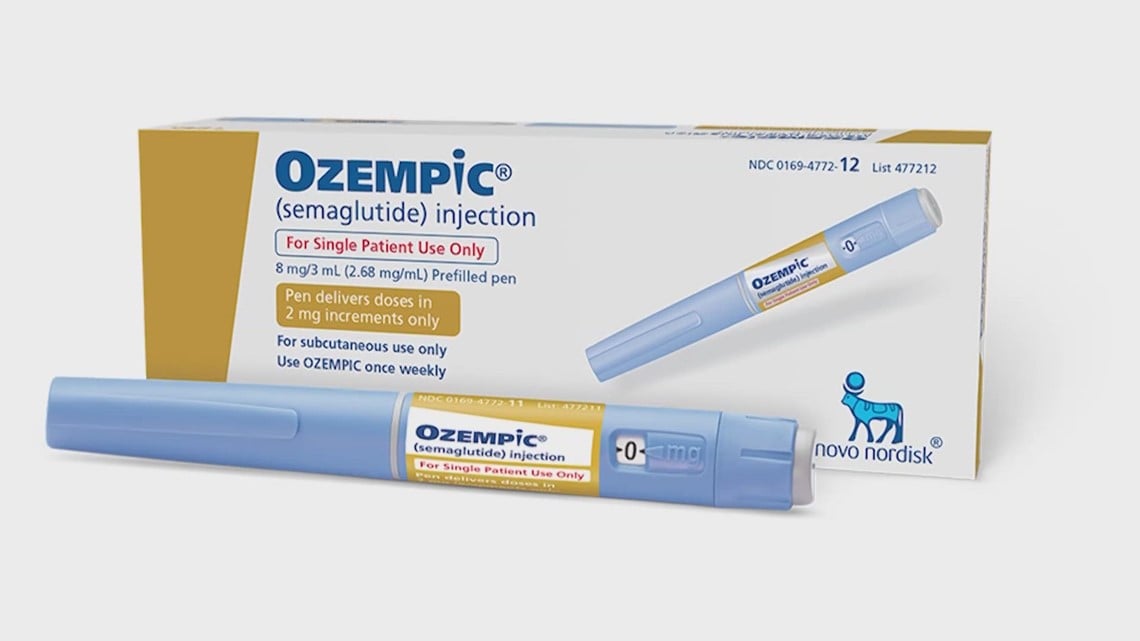
More than 2,000 lawsuits are now targeting the makers of Ozempic and Zepbound, with patients claiming the drugs caused dangerous and sometimes permanent health problems. The cases, consolidated in Pennsylvania federal court, have entered the discovery phase while regulators update warning labels and drugmakers face growing public scrutiny.
The legal challenges center on GLP-1 drugs, a category that includes Ozempic, Wegovy, Mounjaro and Zepbound. Plaintiffs allege that Novo Nordisk and Eli Lilly failed to fully warn patients about the risks.
“Central to the lawsuits are claims that patients developed gastroparesis,” a condition sometimes called stomach paralysis. Other patients reported intestinal obstruction, persistent vomiting, gallbladder disease and vision loss tied to non-arteritic anterior ischaemic optic neuropathy.
Medical experts acknowledge that GLP-1 drugs delay how quickly the stomach empties, which may explain the gastrointestinal issues. While many tolerate the drugs well, some patients say they suffered long-lasting effects requiring hospital care.
Initially, Ozempic and Wegovy were the main focus of litigation, but attention has shifted toward Zepbound after its 2023 approval. In February 2025, the FDA updated its safety label to include warnings about ileus, a serious intestinal blockage. Similar changes were added to Ozempic and Mounjaro labels.
Both Novo Nordisk and Eli Lilly deny wrongdoing and argue their drug information complies with federal standards. At the same time, Novo Nordisk filed 14 lawsuits of its own against U.S. pharmacies selling unapproved compounded versions of semaglutide.
The litigation remains in discovery with no trial dates set, and analysts predict the first test cases may not begin until 2026.

