

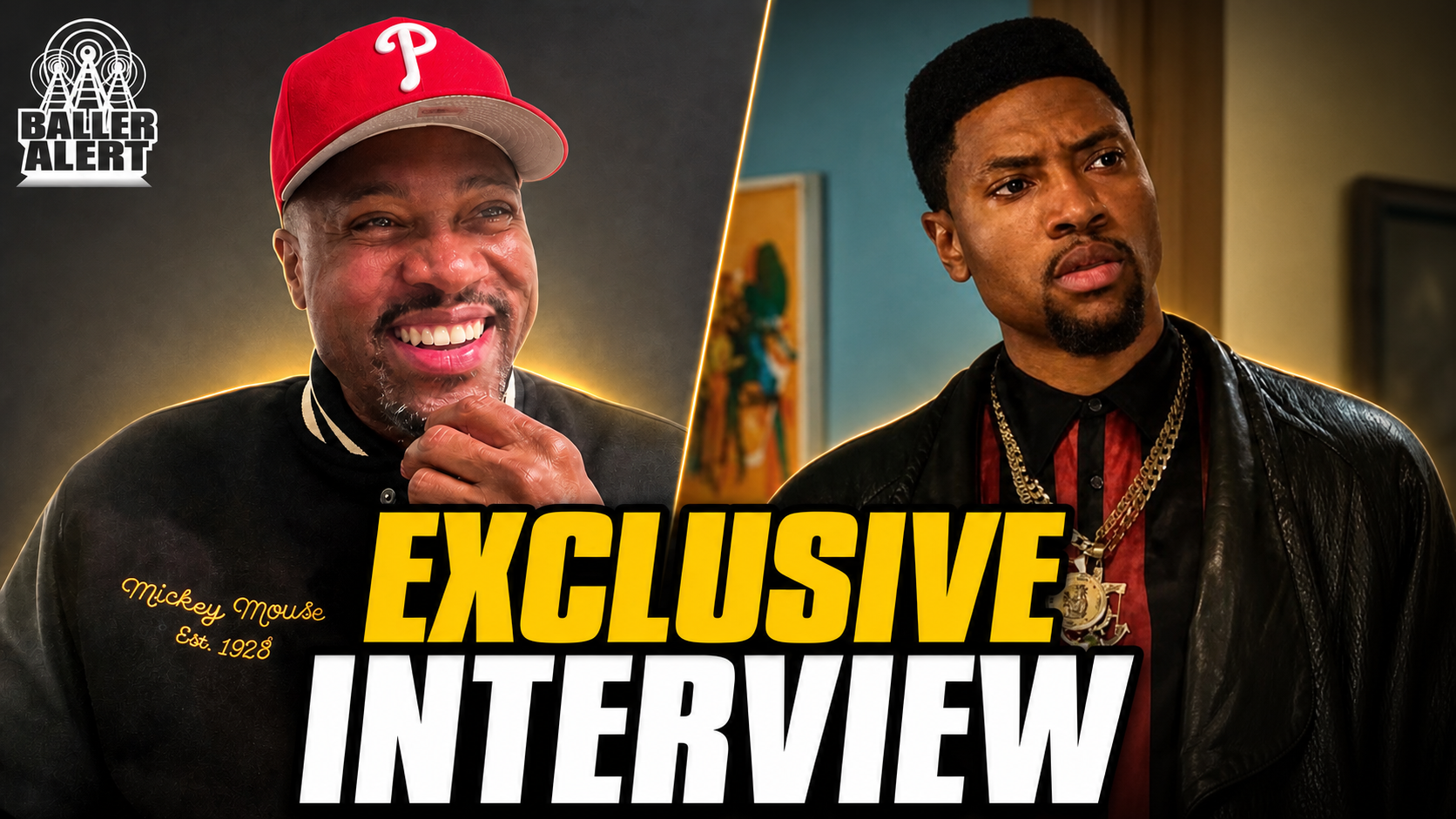
Uncle Marvin became one of the characters viewers could not stop talking about on “Power Book III: Raising Kanan,” and London Brown believes the connection came from something deeper than Marvin’s humor, toughness or street reputation.
Video
During a sit down with Baller Alert, Brown reflected on what made Marvin resonate with viewers throughout the STARZ drama. Brown starred as Marvin across the show’s five seasons alongside Mekai Curtis, Patina Miller, Malcolm Mays and Hailey Kilgore.For Brown, Marvin’s imperfections were a major part of his appeal.
“He was so flawed, but he lived in his truth,” he explained. “Marvin was not trying to be anything that he wasn’t. He had his issues and he was okay with that.”
Viewers watched those issues create real consequences, especially inside his own family. In Season 1, Marvin’s inability to accept his daughter Jukebox’s sexuality culminated in him physically attacking her, creating one of the character’s darkest moments and exposing just how damaged their relationship had become.
Brown did not shy away from Marvin’s failures as a father when discussing why audiences still connected with him.
“He knew he wasn’t perfect. He knew he wasn’t the best dad. He knew he messed up. Along the way and because he was so transparent, I think people respected that”
Instead of leaving Marvin frozen in that failure, the series allowed him room to confront parts of himself. Ahead of Season 2, Krystal Joy Brown joined the cast as Renée Timmons, Marvin’s anger management therapist. That storyline gave viewers another side of Uncle Marvin as he was pushed to examine the anger that repeatedly complicated his life and his relationships. That vulnerability is exactly what London Brown believes made the storytelling work.
Marvin was often depicted as impulsive, emotional and dangerous, but Brown also saw loyalty as one of the character’s defining qualities. Even late in the series, Marvin remained alongside sister Raq as the siblings launched another operation while the Thomas family faced growing pressure from Kanan and his expanding ambitions.
That loyalty, paired with Marvin’s willingness to live openly with his own contradictions, gave Uncle Marvin a level of authenticity that audiences understood.
“He was never on no sucker stuff. He was thorough, and I think the streets understood that he was, he was loyal to the family.”
Brown also credited the people behind the series for creating enough space for that complexity to exist.
In the end, Uncle Marvin did not connect because he was perfect. He connected because viewers watched a man make mistakes, carry his flaws in plain sight, love his family imperfectly and continue moving through the consequences of his choices. Brown’s performance made all of those contradictions feel like parts of the same person, and that humanity is what helped Marvin leave such a lasting mark on “Raising Kanan.”
