
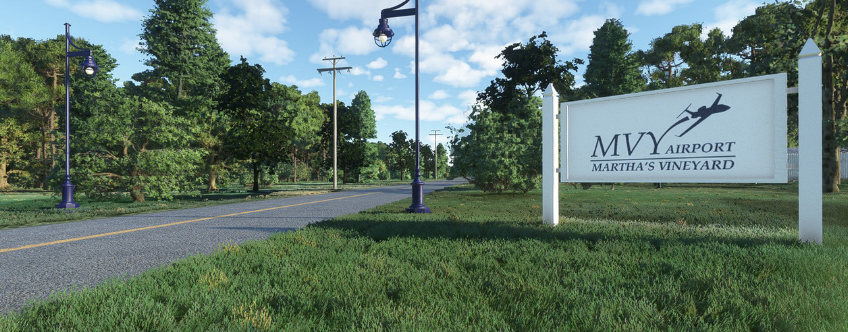
The Obamas. Oprah. Angela Bassett. We know they have all summered here at some point. Martha’s Vineyard is known as the island where wealthy A-listers go to vacation, and not just white ones. Successful Black families have been going for generations.
Video:
The island’s profile has risen lately. Last year the Netflix series Forever took viewers there in episode five, showing the affluent Black culture that thrives on the island and specifically spotlighting Oak Bluffs, a longtime summer haven for African Americans. After the series aired, Martha’s Vineyard started appearing on a lot more summer wish lists. This month, creatives headed to the 24th annual Martha’s Vineyard African American Film Festival, a nine day celebration of Black cinema that ran August 7 through August 15, 2026.
Baller Alert found its way to Black Martha’s Vineyard TikTok, where users are posting itineraries for first timers, videos of celebrity run-ins, and family vacation vlogs.
“We’ve been around the world, but there’s no place like Martha’s Vineyard,” TikTok user @samanthacassandra said in her post.
User @MoriahMarie vlogged her family’s visit to Art Cliff Diner. “The owner, Gina, treated us way too good,” she said. “She heard about our fried chicken competition and without hesitation grabbed one of her pots and forced us to take it with us to cook with.”
Baller Alert spoke with avid traveler Destinee Harrison, who went to the island for a six day trip with friends. She had no real knowledge of the Vineyard going in and expected to see far more white people there than people who looked like her. She learned otherwise quickly. She and her friends spent time in Oak Bluffs, the historically Black and integrated neighborhood, and she described it as friendly and safe, a place where people do not have to worry about their race becoming a topic of conversation.
“In a lot of spaces where you go, your blackness is the first thing that shows up,” Harrison told Baller Alert. “But at Martha’s Vineyard, it was very much like you’re just a person that’s here on the Vineyard. They welcome you there.”
Being seen for who you are rather than the color of your skin is the reason Black people started vacationing on Martha’s Vineyard in the first place. It was never about following celebrities there.
“You could go back to the 1850s, and we were summering here,” said Larry Jones, historian and director of outreach at the African American Heritage Trail. He noted that cultural leaders, artists and change makers were coming to the island long before our time. According to Jones, William Jackson, described as the first commissioned officer of the United States Army, came regularly. Singer Ethel Waters and self-made millionaire Madam C.J. Walker walked those same streets.
The island did not welcome only the elite. Its history runs deep as one of the few places Black people could vacation safely without severe restrictions based on race. In the early 1900s, destinations like Miami Beach operated under rules that required Black people to carry police-issued identification or passes proving they worked there as domestic or service workers. Beyond that, Black families could not live near or own anything close to those beaches.
Erica Jean Belle, director of strategic initiatives at the African American Heritage Trail, said her family has been coming to the island for generations. Her grandmother owned property there that the family would visit every summer. As a child, she asked her grandmother why they returned to the same place year after year. The answer was simple. Because we could.
Jean Belle pointed out that Black single women historically could not buy property anywhere, and that as a woman you could not even have your own bank account.
So the Black culture on Martha’s Vineyard does not come from what the island looks like today. Plenty of people in the upper Black echelon can say they have attended a dinner or an event there. But Martha’s Vineyard is also the place that welcomed us when nowhere else would. We built the communities, bought the homes, created the legacies and paved the paths that made Black excellence possible in the first place. Oak Bluffs, the Inkwell, Shearer Cottage and the Overton House were our safe home away from home.
It is still that place. “We come for rest and relaxation,” Jones said. “No one cares about what you do. We’re from the same Black communities.”