

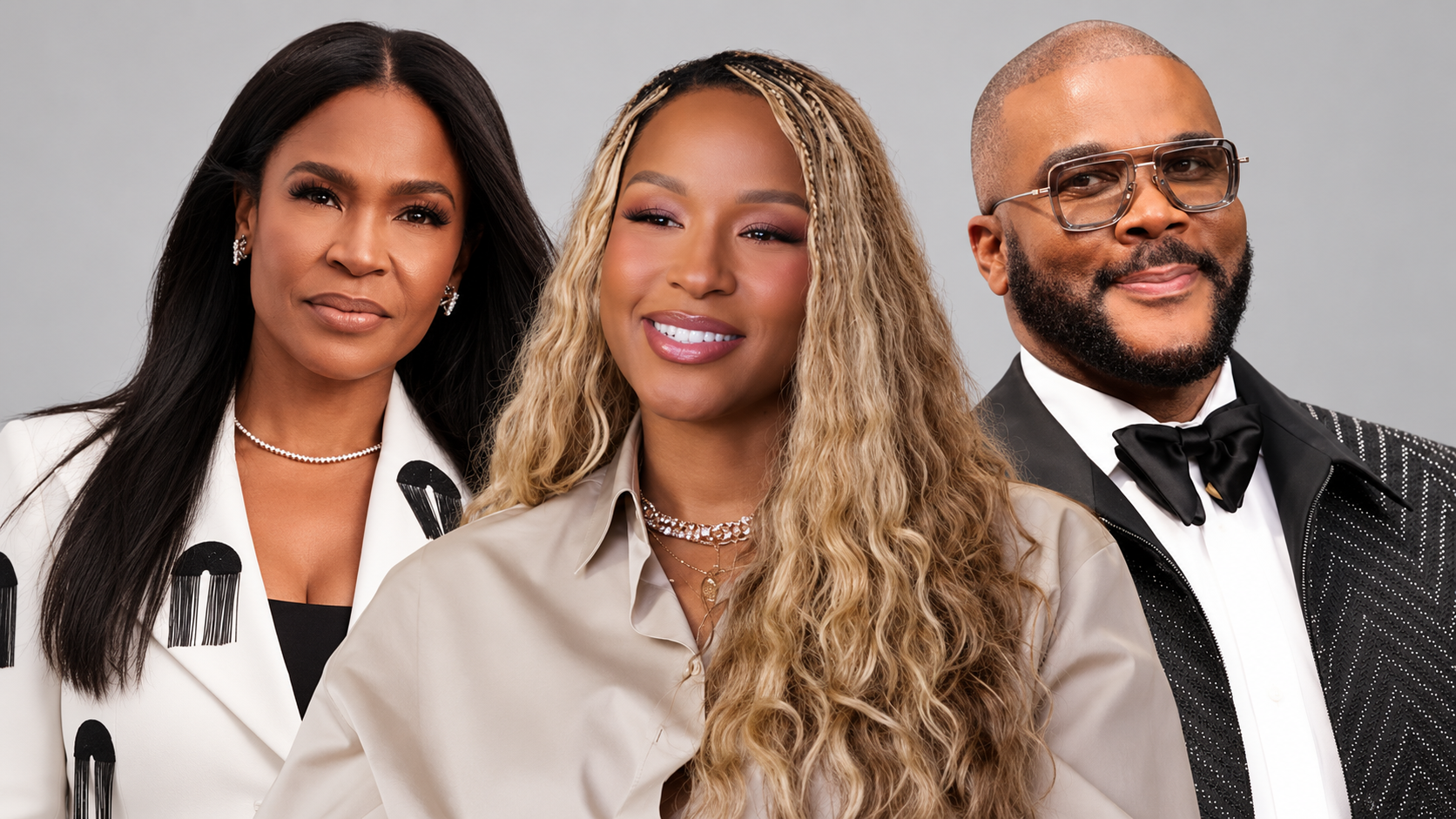
Having a wealthy friend does not necessarily mean inheriting their lifestyle, and Savannah James is just the latest celebrity who has been open about how that reality works.
During a September 2026 appearance on Boardroom’s “Mental Wealth,” James and McDaniel discussed money, business, and the financial differences that exist between them despite a friendship that has lasted about 15 years. McDaniel said the pair does not pretend those differences disappear simply because they are close.
“We talk about this a lot because there’s two different lifestyles that exist,” McDaniel said. “We’re not delusional to that.”
The difference has shown up most visibly when they travel.
McDaniel explained that James may fly first class while she sits in business class because first class is not always within her budget. Rather than expecting James to pay the difference, McDaniel said their solution is planning.
“We’re planning out. Like, we don’t just show up at Fashion Week week of. We don’t move like that even though people think we do,” McDaniel said.
“If we’re going on the same trip, I don’t feel the need to be in first because that’s not in my budget,” she added.
The discussion challenged a familiar assumption surrounding wealthy people and their inner circles. If one friend has significantly more money, should that person automatically cover the more expensive experience?
The arrangement drew criticism online, which the women have previously discussed on their “Everybody’s Crazy” podcast.
“I ain’t buying no first class tickets, but I’m gonna treat you,” James said while discussing the subject.
McDaniel responded, “I think that’s crazy,” referring to the expectation that James should have to purchase her first-class ticket.
Their philosophy has company.
Shaquille O’Neal has repeatedly made it clear that his financial success does not automatically belong to his children. During an appearance on “Earn Your Leisure,” O’Neal explained that his children have sometimes struggled with his approach to money.
“My kids are older now, and they’re kind of upset with me. Not really upset, but they don’t understand because I tell them all the time, we ain’t rich. I’m rich,” O’Neal said.
O’Neal said his children are expected to pursue education and present legitimate business ideas if they want him to invest.
“You got to have bachelor’s or master’s,” he said. “And then if you want me to invest in one of your companies, you’re going to have to present it. Boom, boom, boom. Bring it to me, I’ll let you know. I’m not giving you nothing.”
That does not mean O’Neal opposes spending money on family. In the same interview, he spoke about wanting to provide for his mother and buying her a house. His distinction was between taking care of loved ones and creating an expectation that his children never have to build anything of their own.
Tyler Perry has described a similar philosophy with his son, Aman.
In a 2024 interview with People, Perry said Aman began questioning why he had to fly commercially while his father owned a private plane. Perry and Aman’s mother, Gelila Bekele, intentionally kept him flying coach.
“For about four years, he flew with her commercial in coach so that he could understand,” Perry said.
Perry said the decision was connected to making sure his son did not grow up entitled simply because his father had access to extraordinary wealth. Like Savannah’s airplane conversation, the point was not that a more expensive option was unavailable. It was that someone having access to luxury does not mean every person around them automatically needs the same access.
Anthony Anderson has been even more direct about the financial pressure successful people can face from relatives.
During a 2017 ESSENCE Fest conversation about money and generational wealth, Anderson discussed family members asking him for significant amounts of money. According to ESSENCE, he warned that repeatedly giving money away can undermine the financial security someone worked to build.
“You can’t continue to give away your money,” Anderson said. “You can’t be a Robin Hood to the hood.”
Anderson said even his mother had asked him for tens of thousands of dollars at a time.
“You know, it’s great to want to and take care of your friends and take care of your family, but that gets you nowhere,” he said.
Nia Long has also talked about drawing a line between giving children advantages and removing the hunger that helped create those advantages in the first place.
During a financial conversation at the American Black Film Festival, Long said she began saving for her children before becoming a mother. Those savings later helped her put her oldest son, Massai, through NYU without student loans.
Still, Long said financial support has limits.
“You can’t spoil them too much because part of what made me do what I’ve done is the hustle,” Long said. “You’ve got to draw the line where you don’t tamper with the hustle because in that hustle is that little bit of gangster that makes us make a difference.”
That distinction runs through nearly every one of these conversations.
None of these celebrities described refusing to help loved ones altogether. O’Neal has spoken proudly about providing for his mother. Long paid for her son’s education. Perry has access to luxuries few families could imagine. James and McDaniel travel and build businesses together.
What they have rejected is the idea that love automatically comes with unlimited financial access.
That is what makes the Savannah James conversation more interesting than a first-class ticket. Money can dramatically change the options available to one person without eliminating the financial independence of everyone around them. For James, McDaniel, and several other wealthy Black public figures who have spoken about the subject, generosity and boundaries are not opposites. Sometimes, the boundary is part of the relationship.
View this post on Instagram
