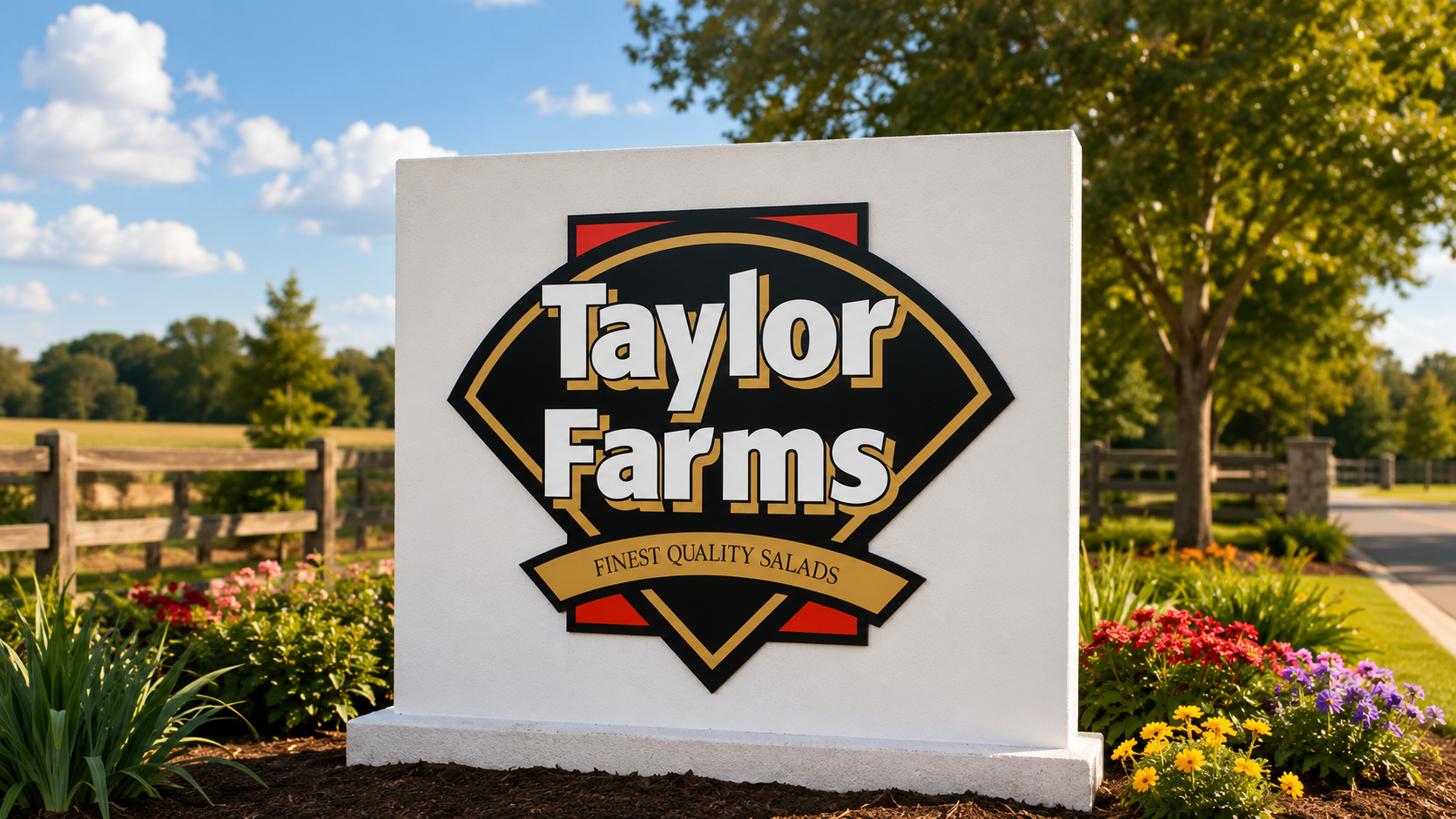
The Taylor Farms recall of iceberg lettuce grown in central Mexico came only after the company called the White House and asked federal officials to delay publicly linking it to a cyclospora outbreak that has sickened thousands, according to the Wall Street Journal.
The reporting describes representatives for the produce giant reaching the White House and, through that contact, getting FDA employees on the line. Their ask was straightforward. They wanted more time and more proof before the company’s name was attached to one of the largest foodborne illness outbreaks in recent memory. The parasite at the center of it, cyclospora, causes a brutal intestinal illness whose symptoms can drag on for weeks, and health officials had spent weeks trying to pin down the source before the trail led back to Taylor Farms lettuce.
Here is how the sequence played out. On July 16 the FDA put out an announcement tying illnesses across five states to Taco Bell and a single supplier in Mexico, but it did not name Taylor Farms, pointing to legal restrictions around trade secrets. The next day, July 17, the Taylor Farms recall went into effect, covering all iceberg lettuce the company grew in central Mexico. By July 18 the company had suspended production at that facility and brought in outside experts to review its food safety processes. On paper that looks like a company moving quickly. The phone call complicates that picture.
A US official, speaking anonymously because they were not authorized to discuss the private conversations, said the company effectively delayed the recall in a way that left customers confused, challenging the science in private while muddying it in public. Taylor Farms tells it differently. A company representative said Taylor Farms met with FDA and White House officials to discuss the best approach to ensure public health, framing the same contact as cooperation rather than pressure. Both versions describe the same call. What separates them is whether you read it as a public health partnership or as a major supplier using its access to slow down a warning that affects what millions of people put on their plates.
Then the story got messier. The FDA collected a shredded iceberg lettuce sample from a Taylor Farms facility that tested positive for cyclospora, and that product fell outside the original recall, which suggested the removal effort might need to expand. By that Sunday, federal scientists reversed course and said the positive had been a false positive. Food safety experts note that cyclospora is notoriously hard to detect and that false positives are not unusual, but Taylor Farms moved fast on the reversal. The company put out a statement saying the FDA had apologized and stressing that, as of that moment, the agency had not identified a single confirmed positive product test for cyclospora tied to its lettuce.The government did not let that framing stand. Health and Human Services spokesperson Emily Hilliard said the corrected lab result did not change the agency’s determination, and health officials have maintained that the lettuce link and the recall still stand. So the public was left with a company publicly declaring vindication and federal officials saying nothing about the underlying conclusion had changed. That gap is exactly the kind of confusion the anonymous official described, and it is why the Taylor Farms recall has turned into a case study in how outbreak communication breaks down when a company and a regulator are telling competing stories at the same time.
Strip away the back and forth over one lab test and the part that deserves the most attention is the call itself. A private company with a serious food safety problem picked up the phone, reached the White House, and used that channel to ask the federal government to hold off on connecting it to an outbreak while people were still getting sick. Whether or not the recall was meaningfully delayed, the access is the story. Most businesses caught in a recall do not have a line to the White House. Taylor Farms did, and it used it.
The company is not a small player. It supplies bagged salads and leafy greens to restaurants and grocery chains across the country, which is what made the Taylor Farms recall from a single facility ripple so widely and why confusion about whether its products are safe carries real weight. An independent investigation into the outbreak is ongoing, and the company says its central Mexico production remains suspended pending that review. The FDA, for its part, has said no confirmed positive product test exists as of late July, a line the company has leaned on heavily.
What consumers are left with is a muddled picture and one clear fact. Before any of the public messaging, before the Taylor Farms recall, before the false positive drama, the company tried to buy itself time by going to the top. The lettuce may or may not be fully cleared when the independent review wraps. The phone call already tells you how the company decided to handle a crisis, and it chose access over disclosure.
Short Link: https://balleralert.com/rr8j