

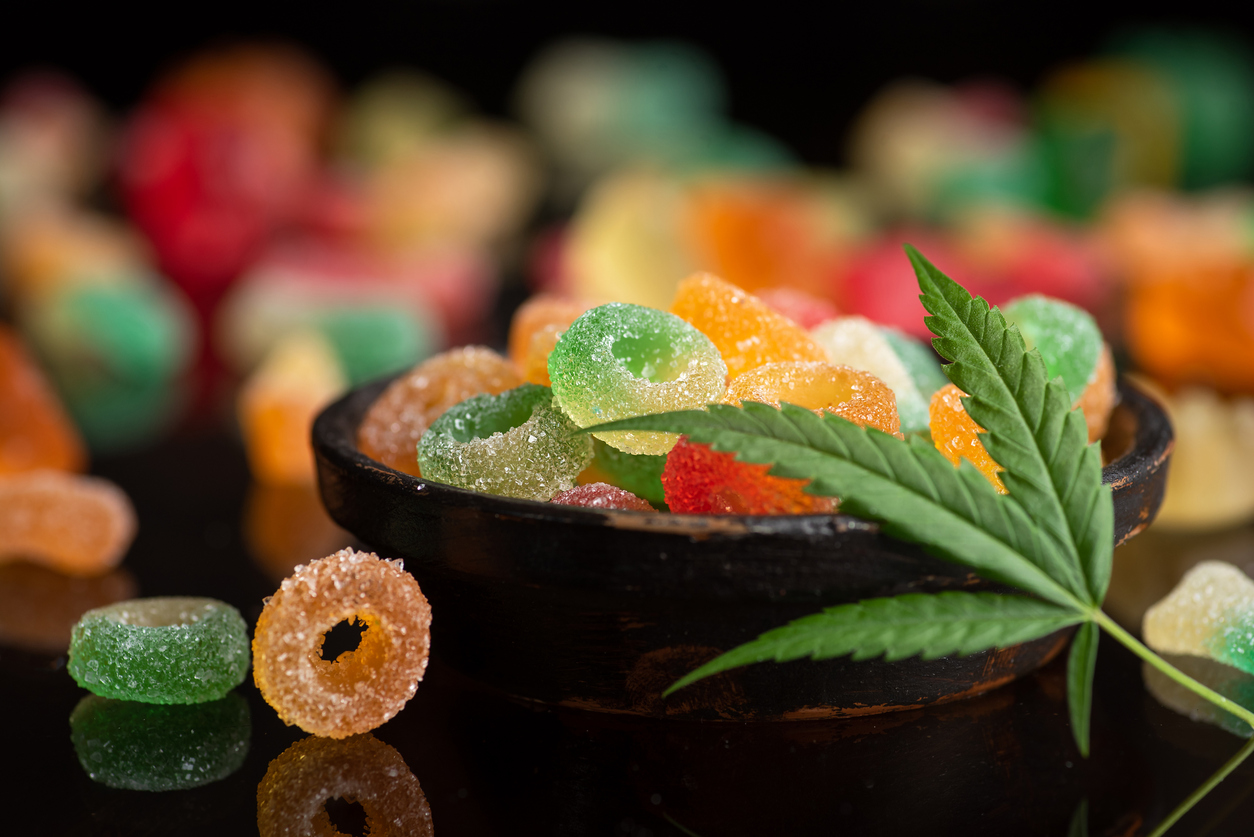
The Texas THC ban took effect Friday, July 31, and products that sat legally on gas station counters last week can now land you in prison. The Texas Department of State Health Services reclassified most hemp derived THC as a Schedule I controlled substance, which is the same federal category as heroin and LSD. Possessing or manufacturing these products is now a state jail felony in Texas, carrying 180 days to two years behind bars and fines up to $10,000.
Here is what is actually banned. Delta-8, delta-10, delta-6, THCP, and THCA flower are all out, along with similar compounds. The ban covers the full range of products, meaning edibles, gummies, drinks, tinctures, topicals, and anything smokable. Retailers were told to clear noncompliant inventory by the effective date or risk having products seized and referred to law enforcement.
What is still legal is narrow. Delta-9 THC products remain on shelves as long as they contain no more than 0.3 percent delta-9 by dry weight. That number comes from the federal 2018 Farm Bill, which defines hemp by its delta-9 content and does not address the other cannabinoids. That gap is exactly what the delta-8 industry was built inside of, and Texas has now closed it at the state level. Medical cannabis is still available, but only through the state’s limited Compassionate Use Program.
The part that should get people’s attention is how this happened. Texas lawmakers tried to ban THC products through legislation and could not get it done. Lieutenant Governor Dan Patrick made the ban one of his top priorities, calling THC infused gummies, drinks, and vapes a poison in the public and holding a press conference with a THC lollipop in his hand to argue the products were designed to appeal to children. The hemp industry pushed an alternative that would have restricted sales to people 21 and older, banned sales near schools, and outlawed child friendly marketing. Neither version became law.
So the state health department did it administratively. Hemp businesses had blocked the agency once before, winning an injunction in 2021 that kept the products on shelves while their lawsuit moved through the courts. In May, the Texas Supreme Court reversed that injunction and found the department had acted within its authority. That decision cleared the way for the reclassification that took effect Friday.
Public opinion was not with the ban either. Polling from the Texas Politics Project at the University of Texas at Austin during the legislative fight found 55 percent of Republicans thought the state’s cannabis laws should be less strict or left as they are, compared with 40 percent who wanted them stricter. Fewer than a third of Texas voters across all parties said the state should toughen its THC laws.
The businesses are already going under. One shop threw out a large portion of its inventory just before the midnight deadline. The owner said he has lost roughly $30,000 in sales over the past month, has already cut employee hours, and expects he may have to close within three months. The Texas Hemp Business Council estimates the ban erases 15 to 20 percent of a market that was already struggling, said several shops have closed in recent days, and warned that confusion about the new rules could pull more people into trouble. The council plans to keep challenging the state’s hemp rules in court.
Enforcement is not theoretical. The Texas Department of Public Safety confirmed that Delta-8 is now Schedule I in the state and said charges will depend on laboratory analysis, which compound is identified, and the weight of the usable substance. DPS said enforcement is already underway through partnerships with federal, state, and local agencies, estimating around 60 operations a year.
That last detail is where this stops being a business story. Weight based charging on a newly criminalized substance means the person holding a bag of gummies is exposed the same way anyone holding a controlled substance is, and Texas is a state where drug enforcement has never fallen evenly. Nobody who bought a delta-8 cartridge at a smoke shop in July was buying a felony. As of Friday, that is what it is.

AS LONG AS IT ISN’T REFERRING TO THE FLOWER IN ITS NATURAL UNPROCESSED FORM.
LOL! YOU ALL LEGALIZED METH!!! LOL!!!
“ROCK” CANDYYYYYY.
…LOL!!!
A state agency shouldn’t be able to circumvent the will of the people and the legislative process which failed to ban the products.