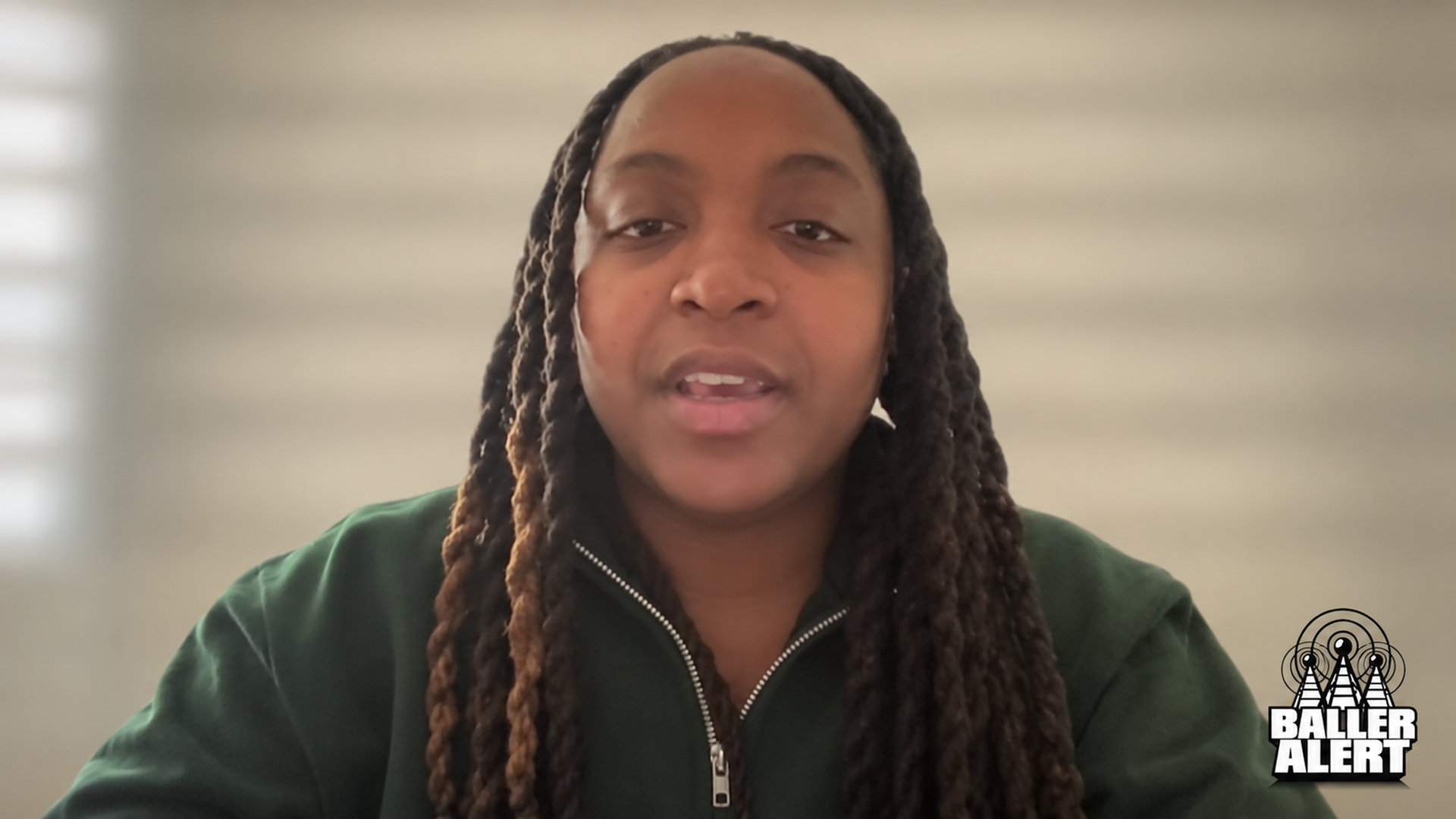
The Matcha Edit owner Marissa Johnson is opening up exclusively to Baller Alert about her dispute with Starbucks, revealing that the coffee giant’s use of her business name in matcha promotions left her stunned and had customers wondering whether the two brands were working together.
Video
In an exclusive sit-down, Johnson revisited the moment she learned that Starbucks had used “The Matcha Edit” in marketing for its matcha drinks. The Liberty City entrepreneur had already built her business around that name, making the discovery especially frustrating.“I was shocked, and I think I was really in disbelief; I’m not gonna lie,” Johnson said. “That’s what I chose my brand name to be…I built the business, you know, off of the Matcha Edit brand.”
The Matcha Edit operates inside Roots Bookstore & Market, a Black-owned bookstore in Miami’s Liberty City neighborhood. Johnson previously took her business to pop-ups before establishing a spot at Roots, where customers now recognize the name on her cups. Her concern, she explained, goes beyond two companies using similar words in their advertising.
“My concern is how the same name is being used to market matcha where the customers could think like we’re the same entity,” Johnson told Baller Alert.
She added that people had actually asked whether The Matcha Edit had collaborated with Starbucks. The questions made a possible mix-up feel less hypothetical for the small business owner.


Made to order and shipped to your door.
Starbucks introduced the Iced Double Berry Matcha and Iced Banana Bread Matcha in February 2026. Johnson says the company used her brand’s name on promotional signage advertising its matcha offerings. After challenging the use of the phrase, she shared what she described as a response from Starbucks’ lawyers. According to her earlier account, the attorneys said the company had been unaware of her business and denied trademark infringement.
Johnson also said the company indicated it would not use the phrase going forward, although she reported seeing it on some promotional materials afterward. Her original TikTok video discussing the dispute drew more than 64,000 views, with hundreds of commenters encouraging her to consider legal action.
Despite her frustration, Johnson said she doesn’t fault Starbucks as a whole. Instead, she raised the possibility that someone involved with the chain’s marketing had encountered her brand.
“I believe that someone could have seen it from the marketing side,” she said.
Johnson also questioned how major companies find inspiration for their campaigns, suggesting that marketing teams searching for trends can end up drawing from smaller businesses without recognizing the work behind their identities.
“You know, bigger brands, the bigger they are, the more out of touch they are,” she said.
She suggested that larger companies rely on marketing teams to identify emerging trends, a practice she believes can put small businesses at a disadvantage.
The Matcha Edit LLC filed a federal trademark application in May 2026, listing June 13, 2025, as its first use in commerce. That filing does not itself establish that Starbucks infringed a trademark. Whether consumers might confuse the businesses is a potential legal issue, but the filing and Johnson’s account alone do not resolve it.
For Johnson, the issue remains rooted in a name she chose, built a business around, and introduced to customers in Liberty City. Her biggest concern is the confusion created when a global coffee chain uses the same phrase to promote matcha.