
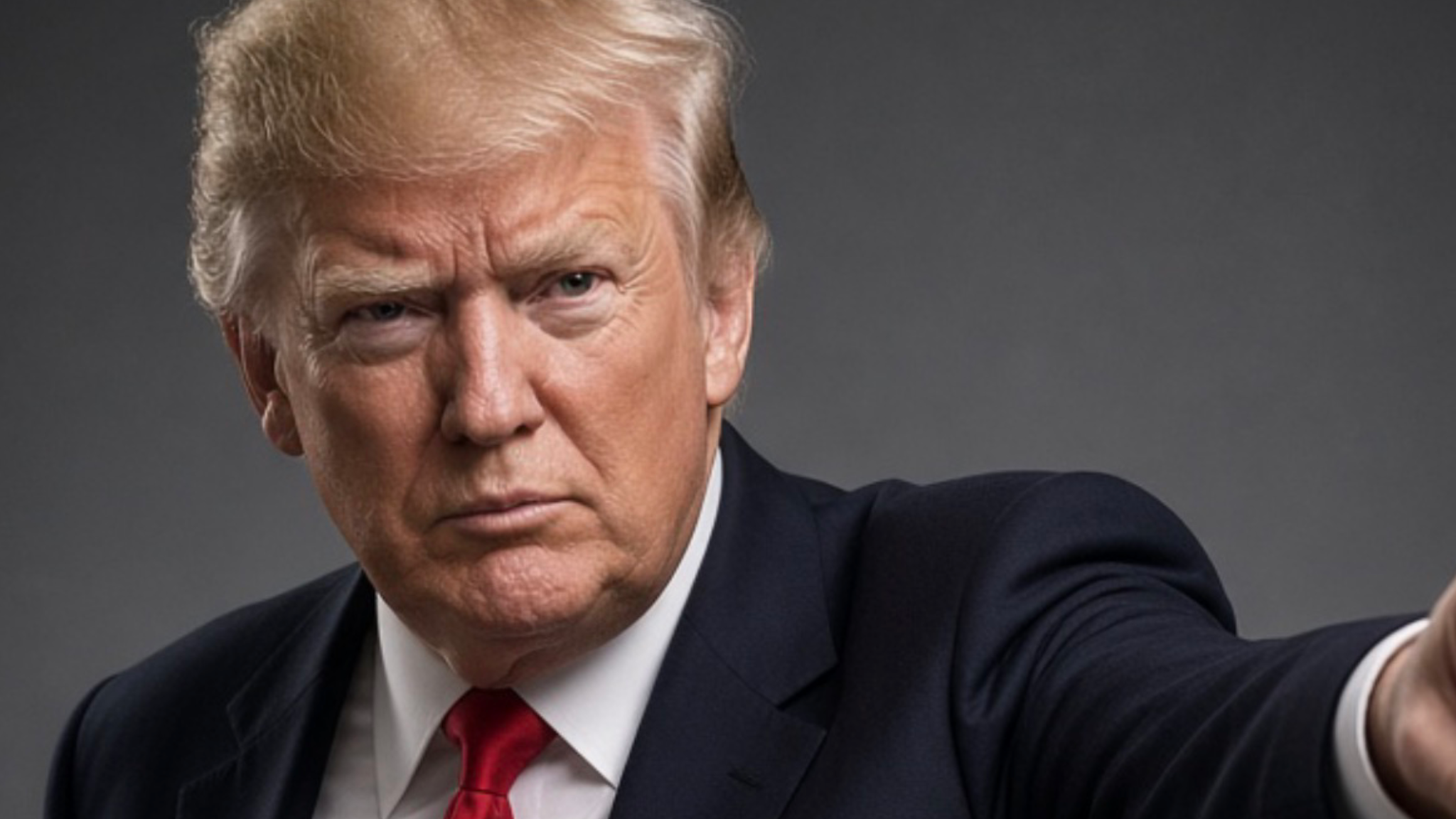
With the 2026 midterm elections just one week away, Donald Trump is already raising questions about whether he will recognize the outcome if Republicans lose control of Congress.
On Tuesday, October 27, Trump stopped short of promising to accept the results of the November 3 elections unconditionally, prompting sharp criticism from the NAACP and youth voting organization Voters of Tomorrow.
Speaking with reporters at Joint Base Andrews in Maryland before traveling to Texas for campaign rallies, Trump was asked whether he would respect the election results even if Republicans lost their congressional majority.
“I will — if they’re honest elections,” Trump responded.
His answer immediately renewed concerns about Trump’s willingness to recognize unfavorable election outcomes, particularly given his history of challenging election results and making unsubstantiated allegations of widespread voter fraud.
Although Trump did not explicitly say he would reject a Republican defeat, his refusal to offer an unconditional commitment has placed election integrity back in the national spotlight.
The comments come as Republicans fight to maintain control of the House and Senate, with Democrats hoping to capitalize on voter dissatisfaction and regain congressional power.
When asked how he would work with Democrats if Republicans lost control of Congress, Trump suggested that his veto would remain a powerful negotiating tool.
“We’ll figure a way. Look, I have strong veto. I hope that that won’t be the case, but if it is, that’s happened before with many presidents,” Trump stated.
“You have strong veto, and you end up working on deals.”
However, his comments about accepting the election results drew a much stronger response from civil rights advocates.
NAACP National President Derrick Johnson accused Trump of attempting to undermine the democratic process and reminded Americans that elected officials do not get to determine the legitimacy of elections based on whether they like the outcome.
“Donald Trump is afraid of voters making their voices heard. We have no kings in America. We the people decide who leads this country. Every attack on our elections, every attempt to undermine the voting process is an attempt to bend this country to his will, but we’re not going to fall for it. Whether or not Donald Trump accepts the results of the election, we choose who represents us. If that offends him, that’s between him and his ego.”
The NAACP, America’s oldest and largest civil rights organization, has been actively preparing for potential voting disputes surrounding the upcoming election.
Earlier this month, the organization announced plans to establish a legal election protection operation and reported recruiting more than 52,000 volunteers to help defend voting rights during the midterms.
Young voters are also pushing back against Trump’s remarks, with Voters of Tomorrow Executive Director Santiago Mayer warning that Trump could face significant opposition from Generation Z at the ballot box.
“Trump says he’ll accept the results of the election ‘if they are honest.’ In other words, he won’t accept the results because he is terrified of the accountability he’s about to face. There are over 50 million Gen Z voters nationwide. These voters grew up in Donald Trump’s America, and they are pissed. These voters are now getting the chance to vote for the very first time. And guess what… they won’t be voting for him. Young voters are about to give Donald Trump a dose of reality at the polls.”
Mayer’s comments highlight the political importance of younger voters, particularly those participating in their first federal election. While his statement predicts a strong backlash against Trump, how Gen Z voters will ultimately divide their support remains to be seen.
Trump’s latest remarks also reflect a familiar pattern from previous elections.
During the 2016 race, Trump suggested he would recognize the outcome if he won. In 2020, he repeatedly declined to commit to accepting the results before ultimately losing to Joe Biden. He then continued promoting false claims that widespread fraud had cost him the election.
Those allegations contributed to a national political crisis that culminated in the January 6, 2021, attack on the U.S. Capitol as Congress met to certify Biden’s victory.
During the 2024 campaign, Trump again conditioned his acceptance of the election results on whether he considered the process fair and legal.
Now, the same concerns are resurfacing ahead of the 2026 midterms.
The Trump administration has pursued election-related legal challenges in multiple states. In California, federal officials have sought additional scrutiny of approximately 20,000 disputed ballots based on citizenship concerns, while state officials have challenged the administration’s evidence and efforts to restrict ballot counting.
Election officials and voting rights experts have repeatedly emphasized that isolated allegations or administrative disputes do not establish widespread election fraud.
The Brennan Center for Justice has also warned that changes in reported vote totals as ballots are counted should not automatically be interpreted as evidence of wrongdoing. Official results can take days or weeks to finalize because states must follow established verification and certification procedures.
Importantly, Trump does not have the legal authority to personally approve or reject congressional election results. Elections are administered primarily by state and local officials under applicable laws, with established processes for challenges, recounts, and certification.
For organizations like the NAACP and Voters of Tomorrow, the latest controversy is about more than another provocative statement from the White House. It raises broader questions about public confidence in elections, voting rights and the peaceful transfer of political power.
As millions of Americans prepare to cast their ballots on November 3, Trump’s willingness to accept an unfavorable outcome remains uncertain.