

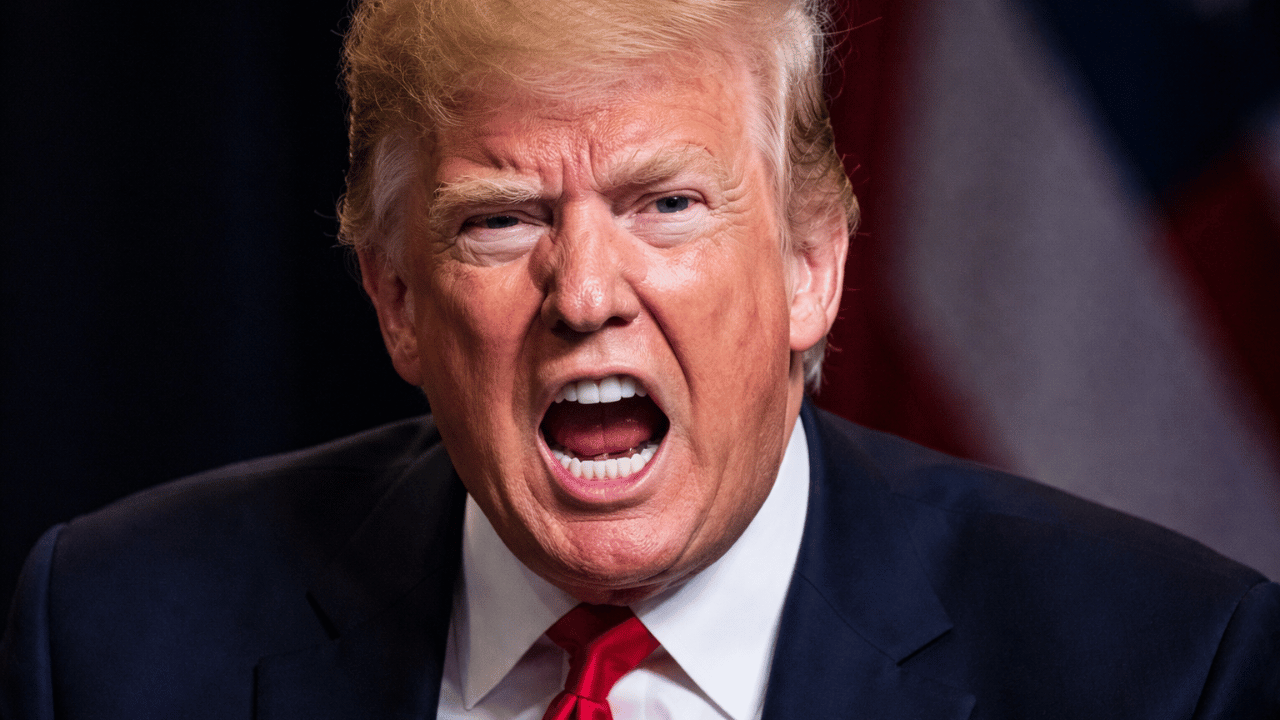
Trump’s Canada tariffs became official on Monday, when Donald Trump signed three proclamations imposing an additional 50 percent duty on a long list of Canadian goods that will take effect in 30 days. The stated reason has nothing to do with smoke. According to the White House fact sheet, the action responds to Canada’s treatment of American cars, alcohol, and dairy, specifically provincial bans on U.S. liquor, Canada’s supply managed dairy system, and quotas on certain American vehicles.
That explanation landed exactly three days after Trump went on Truth Social and blamed Canada for the wildfire smoke choking American cities, saying the cost of the pollution “must of necessity be added to the TARIFFS Canada is currently paying.” He called it “Willful Negligence” and said he would call Prime Minister Mark Carney to find out what Canada planned to do about it. Air quality alerts were active for more than 100 million people that day, covering Minneapolis, Chicago, Detroit, Cleveland, Pittsburgh, Philadelphia, and New York City. Smoke was thick enough over New Jersey that there were open concerns about the World Cup final Trump himself planned to attend.
So when the 50 percent number showed up on Monday, most people connected the two. The administration got in front of that fast. A senior White House official told reporters on a background call that the new Trump Canada tariffs are unrelated to the wildfire threat, adding that Trump “has other options” on the smoke issue. Read that however you want. The official position is that these are two separate grievances that happened to surface in the same 72 hours.
What is not in dispute is how much wider this reaches than the tariffs that came before it. The White House says the covered products range from “wine to hockey sticks to cement.” Energy, potash, fish, critical minerals, and goods already covered under Section 232 are excluded. But here is the part that changes the math for a lot of businesses on both sides of the border: these Trump Canada tariffs apply regardless of whether a good qualifies under the United States Mexico Canada Agreement. Every previous round left CUSMA compliant goods alone, which is why Canada absorbed the last two years of trade pressure better than most countries did. Thousands of products that Trump negotiated protection for during his first term just lost that protection.
The legal mechanism is the other thing worth paying attention to. Trump used Section 338 of the Tariff Act of 1930, a provision that lets a president impose duties of up to 50 percent on a country believed to be discriminating against American commerce, without going through Congress. It has been sitting on the books since Herbert Hoover was in office and has never been used this way. U.S. Trade Representative Jamieson Greer framed Monday’s action as leveling the playing field for American exports, and the White House pointed to a roughly 22 percent drop in Canadian imports of American motor vehicles from April 2025 through March 2026, a decline it valued at about $5.6 billion.
Several Democratic lawmakers proposed repealing Section 338 last year, arguing that leaving it available gave a president a tool to destabilize the economy on his own authority. That argument was theoretical at the time. It is not anymore. The Supreme Court already blocked Trump from using emergency economic powers to set tariffs earlier this year, which narrowed his options considerably. Section 338 is what was left, and now it has been tested.
Canada’s response is still forming. Ontario Premier Doug Ford, who has been the loudest voice in the country on this since the trade fight started, said Canada should hit back “tariff for tariff, dollar for dollar.” Carney has been more measured. He told reporters Monday that he and Trump spoke on Sunday and had a broader strategic conversation about trade and where it is heading. Canada imposed sweeping retaliatory tariffs last year and has since rolled back many of them in an effort to keep relations workable. Whether that restraint survives a 50 percent hit with no CUSMA carve out is the question in Ottawa right now.
There is also the domestic calculation. Tariffs are paid by importing businesses and passed to consumers, and these Trump Canada tariffs land on categories Americans buy constantly. Wine, cheese, cement, and building materials all sit inside the covered list. The 30 day runway means the price effects arrive in late August, which puts them in front of shoppers well ahead of the November midterms that will decide control of Congress. Trump has used tariffs as leverage in disputes with allies repeatedly, but the ones that hit grocery and hardware prices tend to be the ones voters actually register.
Meanwhile, the fires are still burning. Hundreds are active across Canada, along with fires in northern Minnesota, and Canadian Minister of Emergency Management Eleanor Olszewski said the country is working with urgency alongside provincial and territorial partners and has spent billions on forest fire prevention in recent years. Carney, speaking in French at a news conference in London, Ontario, pushed back on the blame by noting that fighting climate change is the responsibility of all countries, including the United States. Four Michigan Republicans sent Carney a letter this week saying their patience had run out and accusing Canada of chronic under investment in forest thinning and prescribed burns.

Did trump forget that part of the wildfire smoke is also coming into the Midwest from California? Is he going to overtax them somehow too? Right now northeast Kansas has wildfire smoke coming in from Canada and CALIFORNIA that means that some of the smoke is ours and it’s not going to be put out anytime soon. What is going on is he senile or just crazy or does he just not understand that the United States is also contributing to the wildfire smoke that’s settling over a major chunk of the United States and what about the fires in MINNESOTA that’s also on us not Canada and we need the president to hold himself accountable for our part of climate change not just other countries!