
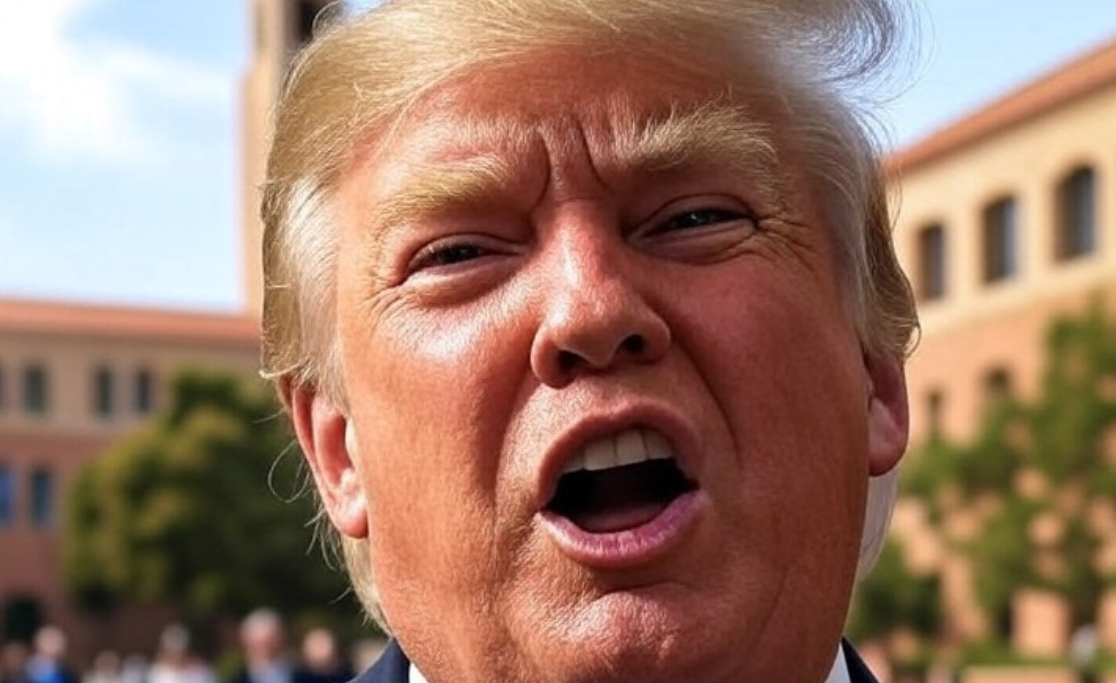
Trump announced a tariff plan this week that could eventually double the cost of getting a prescription filled for most Americans. In a Truth Social post, Trump said generic drugs imported into the U.S. will carry a 0% tariff for a two year transition period beginning August 1, 2026, after which the rate jumps to 100% for one year before climbing to 200% starting in August 2029. He framed the move as a way to reshore generic pharmaceutical manufacturing back to American soil, describing the eventual tariff as a penalty for companies that don’t build domestic production within the window he’s giving them.
The reason this matters more than a typical tariff announcement comes down to one basic fact about how prescriptions actually work in this country. Generic drugs account for 90 percent of all prescriptions filled in the United States, according to the FDA. They’re manufactured with the same active ingredients as brand name drugs, which is exactly why they exist, to give people access to the same medicine at a much lower price. A tariff on that category isn’t a tariff on some narrow slice of the pharmaceutical industry. It’s a tariff on the medicine most people in this country actually take, the blood pressure pills, the antibiotics, the everyday prescriptions that keep chronic conditions managed without draining a paycheck.
The supply chain behind those drugs is also almost entirely overseas, which is the whole reason this tariff has teeth. Generic drug manufacturing has shifted increasingly out of the U.S. over the past several decades, with India now supplying more than half of all generic prescriptions filled here, according to a 2025 Senate Committee on Aging report. China also plays a major role in the supply chain. India alone ships around a third of its total pharmaceutical exports to the U.S., which means a huge share of that country’s drug industry has real exposure to whatever the U.S. decides to do here. Moving that kind of manufacturing infrastructure to American soil isn’t something that happens because a tariff deadline says so. Building pharmaceutical plants takes years, serious capital, and regulatory approval that doesn’t move on a president’s timeline.
That gap between what the tariff is supposed to accomplish and what’s actually realistic in two years is where health policy experts start raising concerns. A senior fellow at the Brookings Institution’s Center on Health Policy said a tariff can be part of a broader strategy, but it is not going to by itself lead to onshoring. In other words, the tariff can absolutely raise the price of the drug. Whether it actually moves manufacturing back to the U.S. in the timeframe Trump is setting is a separate question entirely, and the expert answer right now is skepticism.
That distinction is the whole problem. If manufacturers don’t relocate production in time, and there’s real reason to doubt they can, the tariff doesn’t disappear. It just becomes a straightforward cost increase that gets passed down the chain, from the manufacturer to the distributor to the pharmacy to the person standing at the counter paying for their prescription. A drug that exists specifically because it’s the cheaper option starts costing double what it used to, not because the medicine changed, but because of where it happened to be made.
This tariff plan doesn’t touch patented or branded drugs, which are handled under a separate policy that can already reach as high as 100 percent. That branded drug tariff took effect back in October 2025, with an exemption built in for companies already building manufacturing plants in America. More than a dozen major drugmakers, including Eli Lilly, Pfizer and Novo Nordisk, have separately struck deals with the administration to lower prices on new and existing medicines in exchange for a three year tariff exemption, part of what the administration calls its most favored nation pricing policy. Generic manufacturers, many of them based in India and other countries without that kind of leverage or those existing relationships with the administration, don’t have the same off ramp.
The White House is billing the two year runway as a chance for companies to act before the penalty hits, framing it explicitly as punitive for anyone who doesn’t. But a deadline isn’t the same thing as a guarantee, and nothing about pharmaceutical manufacturing moves at the speed policy announcements do. If the goal really is cheaper, more secure access to medicine, a tariff that risks doubling the price of the drugs 90 percent of prescriptions rely on is a strange way to get there. The people most likely to feel it first aren’t pharmaceutical executives weighing where to build a new plant. They’re the people filling a prescription in 2028, watching a generic that used to be the affordable option suddenly cost a lot more than it used to.

This POS and his death squads literally want to kill as many of us as possible, by any means possible. But hey, Congress is so busy covering up the fact that Moscow Mitch is 💀, and that there might be some trans kid somewhere just trying to exist they can’t be bothered to do anything about any of this 💩. 🤬