

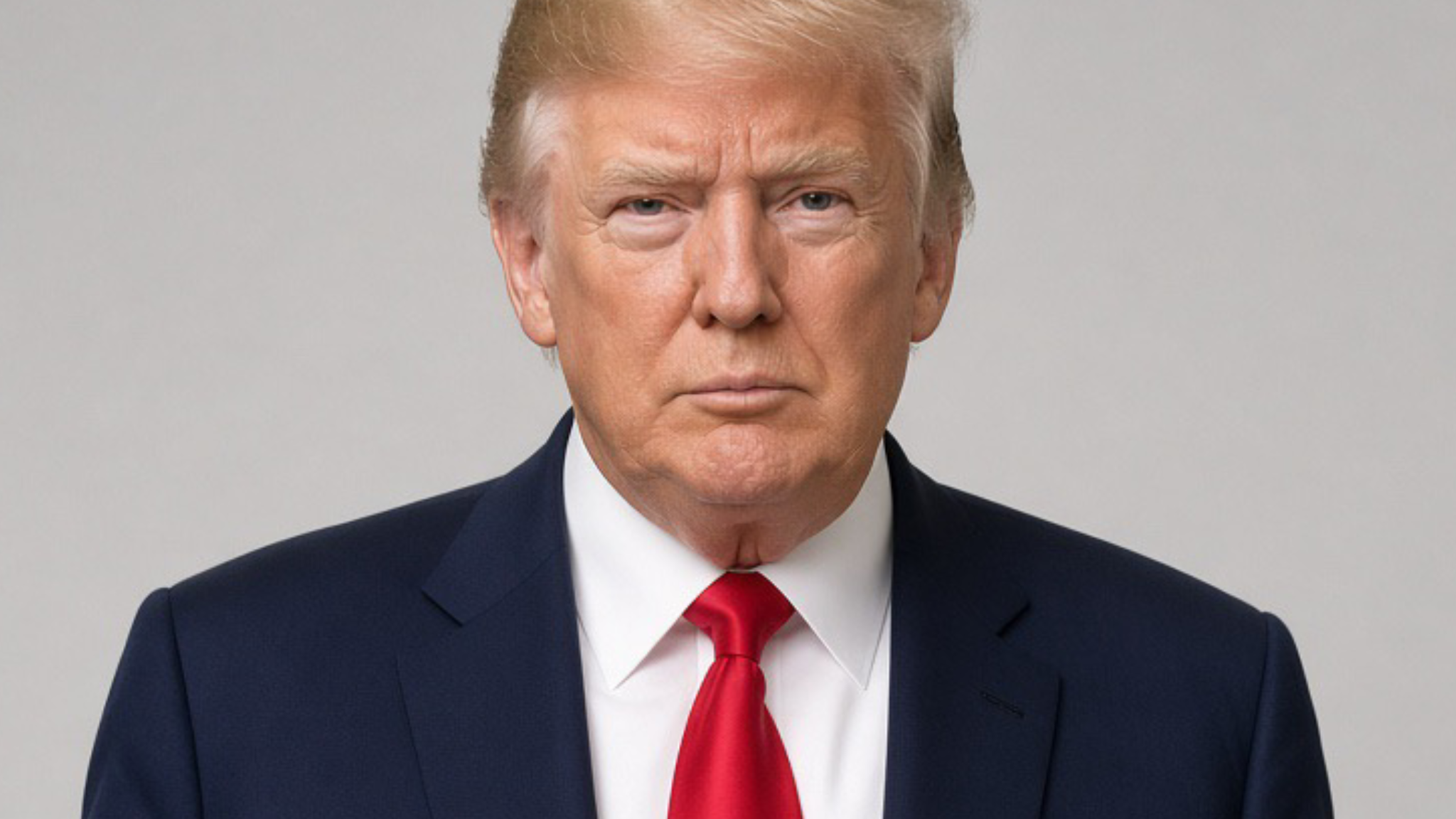
Trump reparations comments came during a September 9 speech in Texas, where he told a Republican crowd that Democrats want to take money for reparations for crimes that happened hundreds of years ago. He was speaking at what the party billed as the first midterm convention ever held by a political party, with the November 3 election 55 days out.
The reparations line was not a standalone policy argument. It arrived at the end of a rapid list of things Trump said Democrats would do if they win the House and Senate. He said they would abolish the police, abolish prisons, abolish the Supreme Court and the Senate, get rid of ICE and Border Patrol, grant amnesty to everyone who entered the country illegally, ban all oil and gas, defund the military and cut healthcare for veterans. Reparations closed out the list. He described the Democratic candidates on the ballot as communists rather than socialists and told the crowd America had beaten communism before and would beat it again.
He named no bill, no candidate and no specific proposal attached to the reparations claim. He did not mention the federal commission bill that has been introduced in Congress repeatedly over the years without passing, and he did not reference any of the state or city level programs that have actually moved. The line functioned as a closing item on a list of threats, and the crowd responded to it that way.
This is the second time in about five weeks that Trump has used the word publicly, and the first time was about himself. On August 3, in the Oval Office, he defended a $1.8 billion fund his administration had set up to compensate people it said were unfairly targeted by federal investigations. Acting Attorney General Todd Blanche had just pulled the plug on it. Trump said that if you want to talk about reparations or payment, what was done to him amounted to a very good case. The fund grew out of the settlement of his own lawsuit against the IRS, and it had drawn criticism from both parties over who might have collected from it.
Dreisen Health, a reparations researcher who founded the Why We Can’t Wait Reparations Coalition, told theGrio at the time that the remark was a subversion of what the word means, and that reparations require an actual harm or human rights violation rather than grievance. The August comment and the Texas speech land in the same place from two different directions. In one, reparations is money he says he is owed. In the other, it is money he says Democrats want to take.
Reparations as the term is normally used refers to compensation for slavery and for the century of legal discrimination that followed it, including redlining, which was the practice of banks and the federal government marking Black neighborhoods as too risky for mortgages and locking families out of home ownership for generations. That is the harm the movement has been organizing around for decades, and it is the framework Trump collapsed into a single phrase about crimes from hundreds of years ago.
The same speech included a promise that if Republicans hold both chambers, every adult citizen would receive a $5,000 payment he called the Trump dividend, funded by tariff revenue and required to be spent inside the United States. He compared it to a company issuing a cash distribution to shareholders.

Trump is telling all the list of items the republicans have done to date. He will lye about anything to his group. Hope Americans see Trump and the republicans what they stand w.