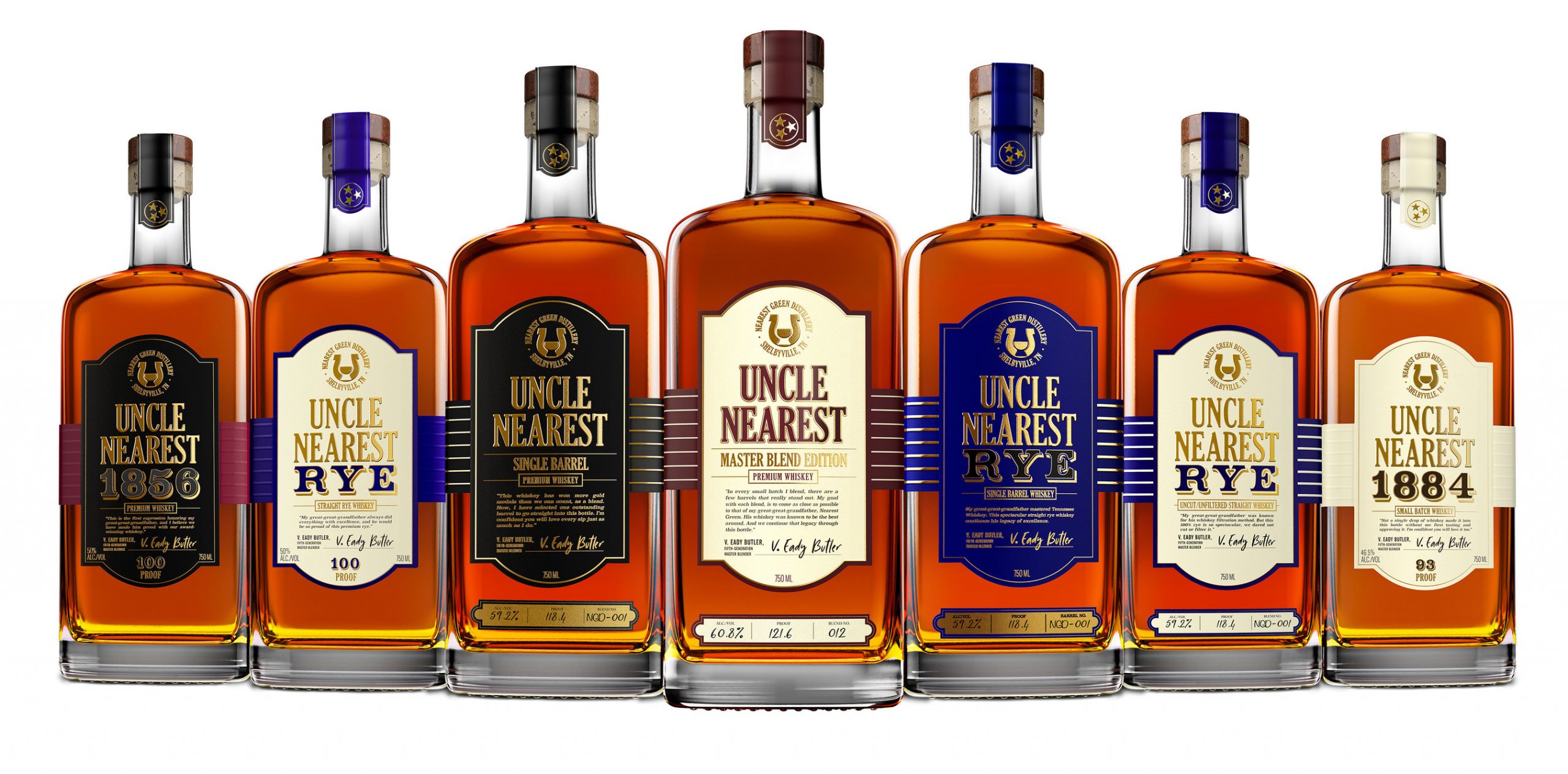
Uncle Nearest Chapter 11 bankruptcy is now official.
On March 17, 2026, Uncle Nearest, Inc. filed for Chapter 11 bankruptcy in the United States Bankruptcy Court for the Eastern District of Tennessee, confirming what weeks of court activity already hinted at. The Uncle Nearest Chapter 11 bankruptcy marks a major turning point for the spirits brand after mounting debt, a federal receivership, and loan defaults pushed the company to the edge. So now, the filings are laying everything out in black and white. And the numbers are heavy.
The bankruptcy petition shows a company deeply underwater. Uncle Nearest reports liabilities between $100 million and $500 million, while assets sit somewhere between $1 million and $10 million. Because of that gap, the financial structure looks almost impossible to sustain without court intervention. However, this is exactly why Chapter 11 was filed, to restructure while keeping operations alive if possible.
The debt breakdown tells its own story. Farm Credit Mid-America holds a secured claim topping $108.2 million, backed by liens across nearly all company assets. Also tied into that loan are Nearest Green Distillery, Inc. and Uncle Nearest Real Estate Holdings, LLC as co-debtors. On the unsecured side, the company lists over $13.3 million owed to vendors, partners, and service providers, which shows just how wide the financial strain spread.
Some of those unpaid bills hit key operational areas. Genesis Global Recruiting is owed about $1.41 million tied to payroll services, while Monalto Corporate Events is listed at .2 million. Deluxe, Pollinate, Inc., and Oracle America Inc. are also among the largest creditors, each owed hundreds of thousands. So while the brand maintained a public image of growth, the backend tells a very different story.
Then there is the Martha’s Vineyard property that raised eyebrows in earlier hearings. The company revealed a pending $2.595 million sale for the home at 10 Codman Spring Road, but is now moving to reject that deal through bankruptcy court. Because the price was set under the federal Receiver, the company argues it falls below market value. That decision could spark more legal friction as creditors push to recover funds.
Leadership also remains a key point. Despite the company being under a federal Receiver since January, Fawn Weaver signed the bankruptcy filing as Chief Executive Officer. Meanwhile, the Receiver, Phillip G. Young, Jr., is listed only for notice purposes in the creditor schedule. So control and authority inside the company could continue to be a major issue as the case unfolds.
Ownership details are now locked into the record too. The filing confirms that Grant Sidney, Inc., tied to Weaver, holds at least 10 percent equity alongside Single Cube, LLC and UN 1856, LLC. Because of prior scrutiny around internal loans and financial movement, that structure will likely stay under a microscope.
This situation is far from over.