

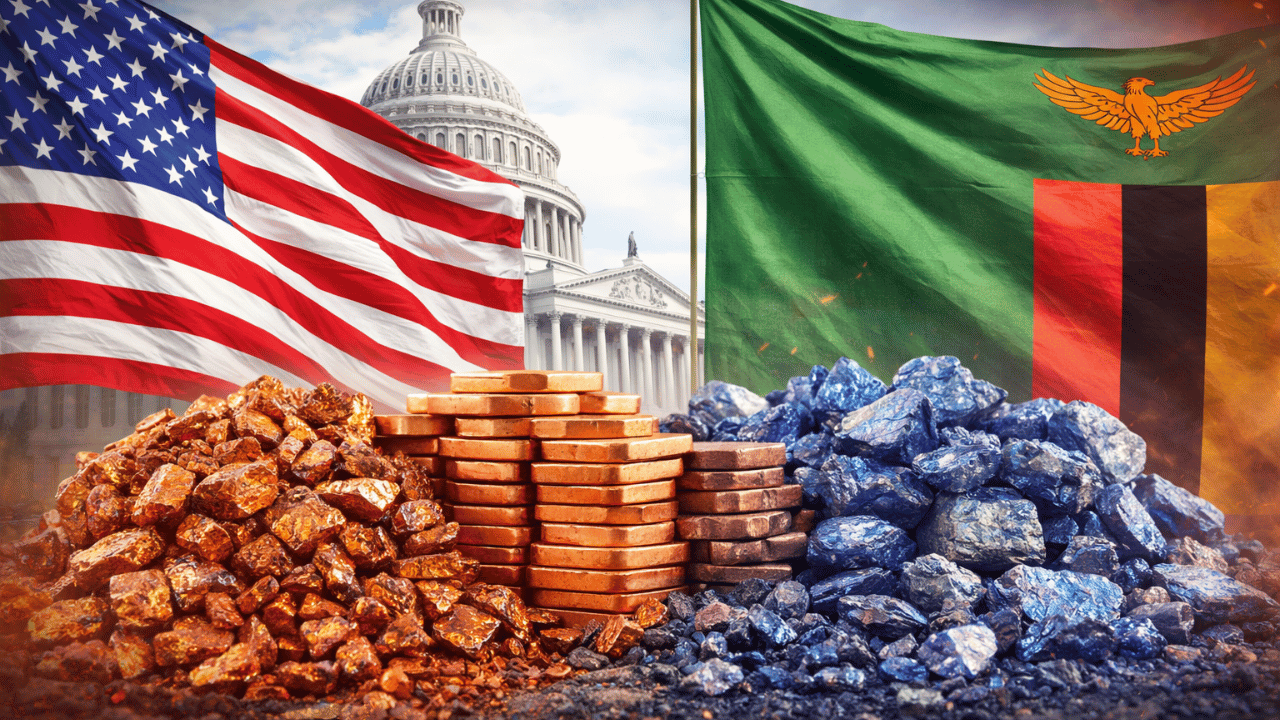
U.S. HIV aid and Zambia minerals access are now at the center of a tense global standoff. A draft State Department memo outlines how Washington could scale back or even end major health support if Zambia does not move forward with a broader agreement tied to critical mineral access. The proposal connects life-saving HIV programs to negotiations over copper, cobalt, and other resources that power global tech and energy industries.
The pressure is serious because the funding on the table is massive. The proposed multi-year package is valued at over $1 billion and supports HIV treatment, malaria prevention, maternal health, and vaccination programs. However, Zambian officials have already delayed signing the deal, stating the terms do not align with national interests and could compromise control over key sectors tied to economic sovereignty.
That hesitation is not happening in a vacuum. Zambia plays a major role in global mineral supply chains, especially with copper and cobalt, which are essential for batteries and clean energy technology. So while the agreement is framed as a health partnership, the mineral component is a major driver behind the scenes, and both sides know it.
The stakes hit even harder when you look at the public health side. Around 1.3 million people in Zambia rely on HIV treatment programs, many of which are heavily funded through U.S. initiatives like PEPFAR. Those programs have been a backbone of the country’s HIV response for years, so any disruption could have immediate and serious consequences for access to medication and care.
That is why this situation is raising alarms. Health experts and advocacy groups warn that tying medical aid to resource negotiations sets a dangerous precedent, especially when millions of lives depend on consistent treatment. At the same time, U.S. officials argue that long-term agreements should reflect broader strategic partnerships, including economic cooperation.
So now Zambia is balancing two high-stakes realities at once. Protecting control over its natural resources on one side, and maintaining critical health funding on the other. And as negotiations continue, the outcome could reshape how global aid, politics, and resource power all intersect.
