

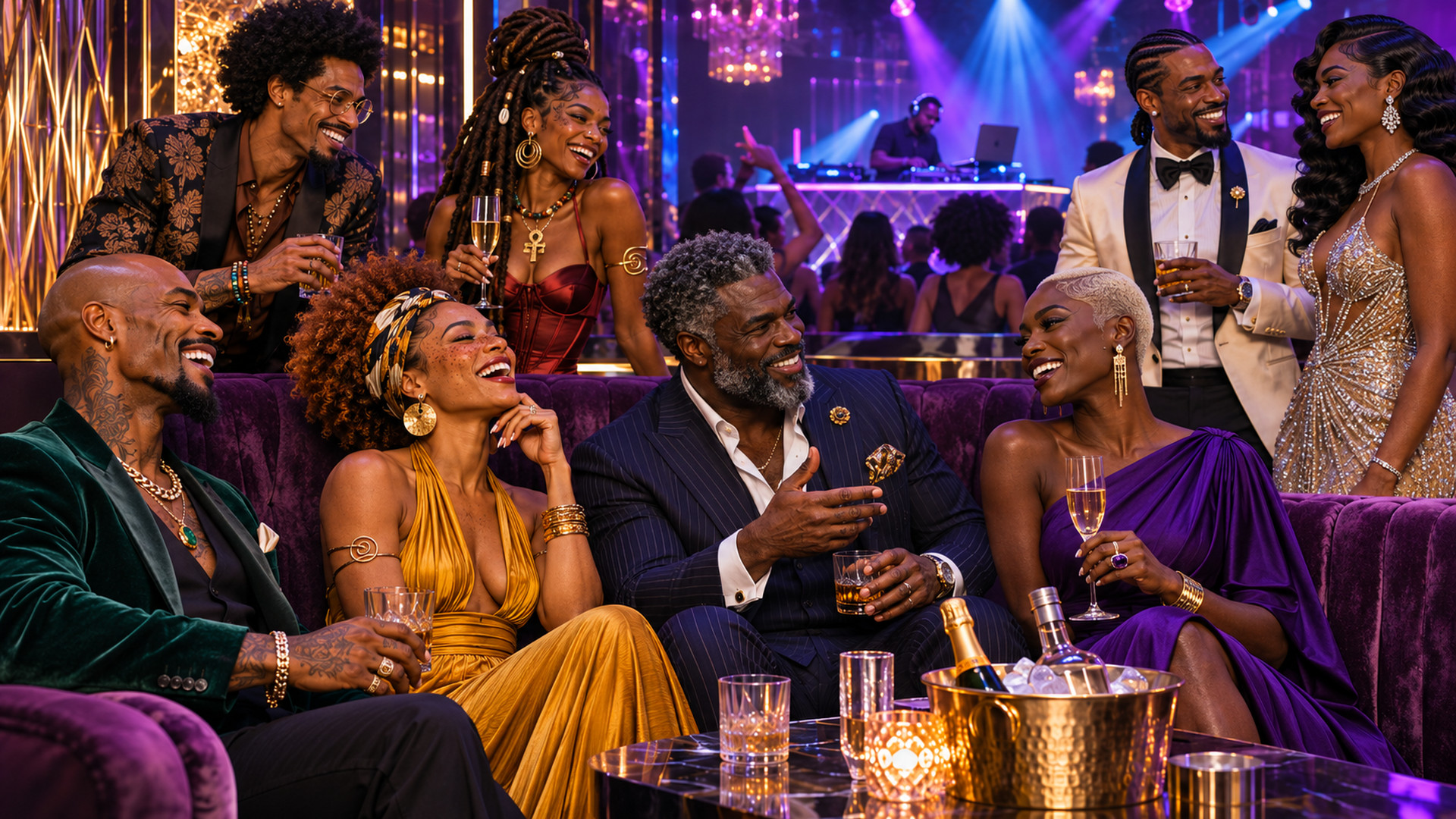
VIP section culture has changed the experience at some nightclubs, where reserved tables, bottle service, and premium seating compete with the dance floor for space and attention. In venues built around high-spending customers, where someone sits and how much they spend can shape their night just as much as the music. What was once primarily a place to dance and socialize can also function as a showroom for luxury purchases and exclusive access.
The business behind that experience helps explain why VIP sections have become so prominent.
Nightclubs generally make money through admission fees, beverage sales, private events, and reserved seating. Bottle service allows venues to secure a spending commitment from a group before the night begins. Instead of relying entirely on individual drink purchases, operators can sell access to a table with a minimum purchase requirement.
Those minimums can reach thousands of dollars at high-end venues, depending on the location, entertainment, and table placement. A premium table near the DJ booth may cost substantially more than one farther from the action.
The arrangement also determines who receives certain amenities.
Exchange Miami, a nightclub in South Beach, describes its VIP package as including reserved seating, dedicated service, admission, and complimentary mixers. According to its published policies, VIP packages are the venue’s only regular seating option, while general admission tickets provide standing room.
That is one example of how VIP section culture can establish different experiences inside the same nightclub. Customers without reservations may still enjoy the DJ and dance floor, but certain comforts are available only through a higher-priced purchase.


Made to order and shipped to your door.
There is also a financial reason venues devote valuable space to tables.
In a January 2025 interview with the Houston Defender Network, hospitality operator Rob Wright, co-owner of Warwick Houston and other establishments, explained that bottle service can generate significantly more revenue than individual drink sales. Groups ordering several bottles at once can produce substantial sales from a single reserved area.
For nightclub operators managing rent, security, staffing, entertainment, and other expenses, advance table reservations provide a way to secure revenue before opening the doors.
Customers, however, may pay more than the advertised minimum. Exchange Miami’s published policies specify that table prices exclude sales tax and service charges, with gratuity addressed separately. Those charges can increase the final bill, making it important to understand the complete price before reserving a section.
The shift toward premium seating also raises questions about the social purpose of nightlife.
Dance floors have played a central role in American music history, particularly in communities that helped create disco and house music. New York’s 1970s nightlife scene included spaces where Black, Latino, and LGBTQ communities gathered around music, dancing, and self-expression.
Venues and parties associated with that history, including David Mancuso’s Loft gatherings and Paradise Garage, helped establish traditions that influenced club culture for decades. Chicago’s Warehouse and Music Box later became important spaces in the development of house music.
These environments helped turn dancing into a form of cultural participation. DJs introduced music, dancers responded, and crowds helped popularize sounds and movements that eventually reached mainstream audiences.
VIP section culture operates differently when customers are separated into reserved spaces.
A dance floor allows guests to move throughout a shared area. VIP layouts introduce designated seating, restricted access, and sometimes security-controlled boundaries. When tables occupy significant portions of a venue, less open floor space may remain for general admission customers.
This can also influence how people socialize. Guests gathered at private tables may spend much of the evening with their own groups, while other customers move between the bar, dance floor, and standing areas.
The distinction extends to the role of music.
At dance-focused events, the DJ and crowd interaction are central attractions. At luxury nightlife venues, the experience may also include elaborate bottle presentations, premium seating, and opportunities to be photographed in exclusive areas.
Social media has created another consideration for the industry.
Photographs of expensive bottles, celebrity appearances, and crowded sections can promote a venue’s image online. However, the relationship between social media and bottle service is not entirely positive.
In a 2024 VinePair examination of the bottle-service business, Michael Garten, then vice president of nightlife operations for Tao Group, described a decline in the extraordinary spending that had previously characterized some VIP experiences. He also identified concerns about being filmed as one reason certain high-profile customers preferred greater privacy.
That reporting complicates the idea that VIP section culture is continuously expanding. Bottle service remains important to many venues, but demand and customer behavior vary by market and establishment.
Reserved tables also serve practical purposes beyond showing off.
They give birthday groups and other parties a place to sit together, provide dedicated service, and can reduce repeated trips to crowded bars. For customers splitting a reservation among several people, the convenience may justify the additional expense.
Some nightlife businesses are attempting to accommodate both preferences.
In August 2026, Miami New Times reported on Studio 60’s renovated nightclub experience. Operations director Lucas Gilschenk explained that the venue offered VIP tables while maintaining a large dance floor, allowing customers to enjoy the music without purchasing a section.
The venue’s approach demonstrates that premium seating and open dancing do not have to be competing priorities.
Event organizers are also experimenting with smaller, community-focused experiences. In Eventbrite’s 2024 Music and Nightlife report, Toasted Life co-founder Matt Tuffuor described offering guests lounge seating and VIP packages alongside space for dancing. The approach allowed customers to celebrate special occasions while retaining options for those primarily interested in the music.
For people choosing where to spend their money, the differences between venues can be substantial. Admission policies, seating availability, table minimums, music programming, and floor layouts determine what customers receive.
The central issue is not that some people want bottle service while others prefer the dance floor. Both experiences can exist within nightlife.
VIP section culture becomes a limitation when paying customers have little room to dance, socialize, or enjoy the music without purchasing an additional experience.
The clubs that preserve substantial open space alongside premium amenities offer an alternative: a night out where purchasing a table remains a choice rather than the defining feature of the party.
