

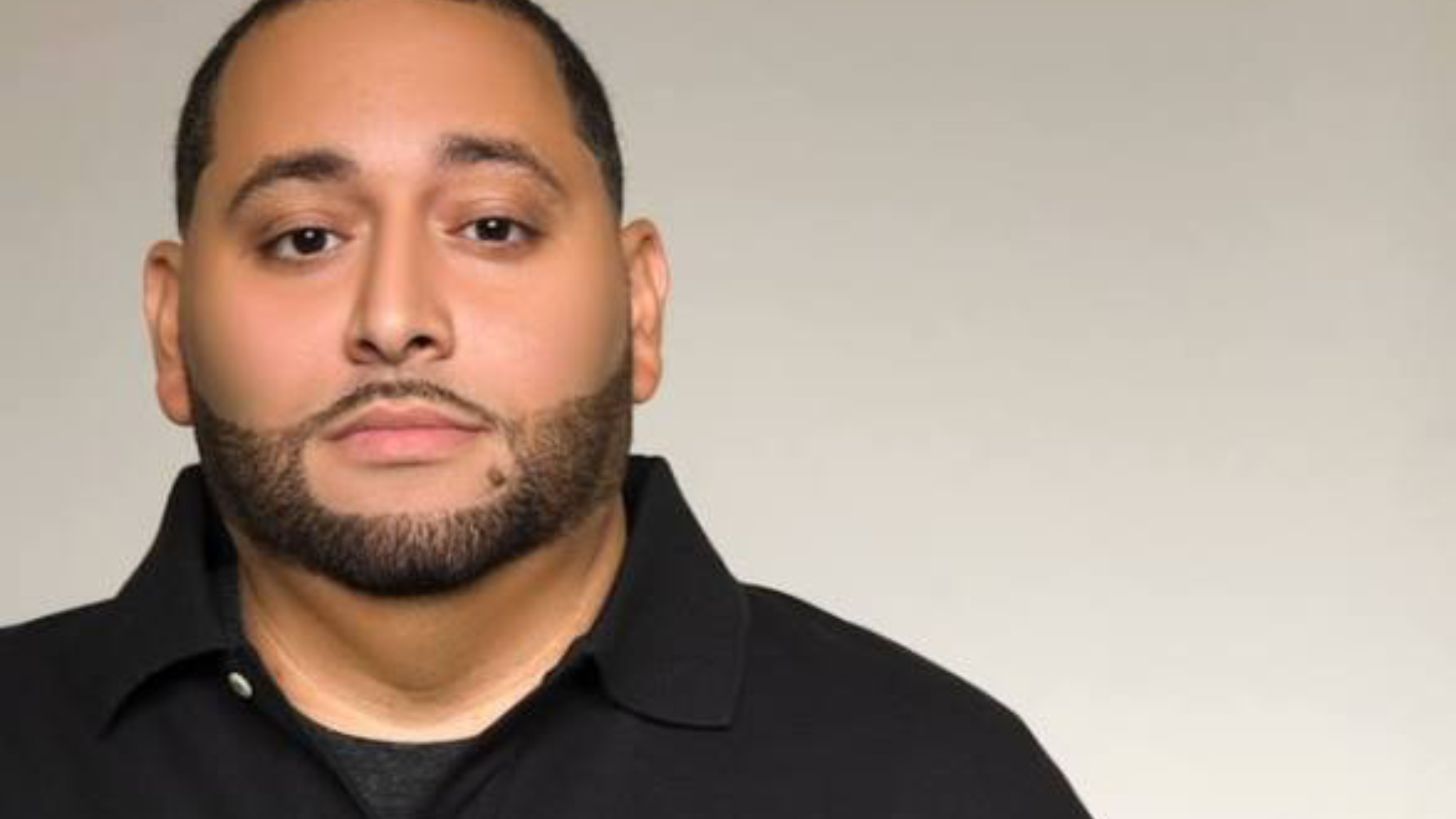
Cesar Pina, the New Jersey real estate influencer known online as Flipping NJ, pleaded guilty Thursday to running a multimillion dollar investment scheme that took money from people who trusted him because of his radio fame.
Pina, 48, entered the plea in federal court in Newark before Judge Madeline Cox Arleo. He admitted to four crimes: wire fraud, conspiracy to launder money, bribing a local official connected to a program that receives federal funds, and a second bribery charge under the Travel Act, a federal law that makes it a crime to use phone calls, the internet or travel between states to carry out illegal acts like bribery. He will be sentenced on March 10, 2027.
The pitch was simple. Pina told investors he would use their money to buy, renovate and sell specific properties in New Jersey and other states, and he promised returns of 30% or more within four to five months. The money never went where he said it would. Cesar Pina mixed investor funds together, used new investors’ money to pay back earlier ones, and spent the rest on business and personal expenses nobody approved. That setup is a Ponzi scheme: the “profits” early investors receive are really other people’s deposits, and the whole thing collapses once new money stops coming in.
Some victims were investing in properties Pina never owned. Nigel Chamblin told NBC New York he put nearly $1 million into several properties Pina claimed were his, only to learn Pina owned none of them. Jose Santiago and his wife, Jessica Ortiz, told the station they invested $200,000 in a Paterson property. Santiago said he believed the deal was legitimate because Pina was advertising all over radio and television.
Much of that visibility came from The Breakfast Club. Pina was a frequent guest on the show and partnered with cohost DJ Envy on real estate seminars around the country starting in 2017. Investors have said in lawsuits that they only trusted Pina because Envy stood beside him. FBI Newark Special Agent in Charge Stefanie Roddy said Pina lured in victims and exploited their trust through his online influencer persona.
The plea also covered crimes that had nothing to do with flipping houses. Pina admitted he conspired to launder money, including proceeds from drug sales, for people he knew were involved in narcotics trafficking. He also admitted paying cash and other bribes to a Paterson official in exchange for help with his “Old School 5” development, which had applications pending before the city’s Zoning Board of Adjustment, the local panel that decides whether a project can be approved outside normal zoning rules. The Justice Department did not name the official.
Cesar Pina’s legal troubles began in October 2023, when federal agents arrested him on a single wire fraud charge. He was released on a $1 million bond with electronic monitoring. During a later search of his home, investigators found a loaded 9mm Glock under a pile of clothes in his bedroom, even though Pina and his wife had told the court there were no guns in the house. Prosecutors also accused him of violating his bond by continuing to do real estate deals and contacting witnesses, including by tagging them on social media, and a judge added tighter restrictions. A grand jury later indicted him on the expanded charges. He pleaded not guilty then, before reversing course this week.
DJ Envy has never been charged with a crime. The Justice Department’s announcement did not name him, describing Pina’s partner only as a celebrity disc jockey and radio personality. Envy has been named in multiple civil lawsuits filed by investors and has maintained that he was also a victim who gave Pina money and never profited. “I didn’t see a dollar of return,” Envy said after Pina’s arrest. Pina has said Envy “was never in the room with me” during the deals, though he pushed back on Envy calling himself a victim.
Cesar Pina faces up to 20 years in prison on each of the wire fraud and money laundering conspiracy counts, up to 10 years on the federal program bribery count, and up to five years on the Travel Act count. U.S. Attorney Robert Frazer said the crimes robbed investors of their life savings, helped fuel drug trafficking and undermined public confidence in elected officials.
