

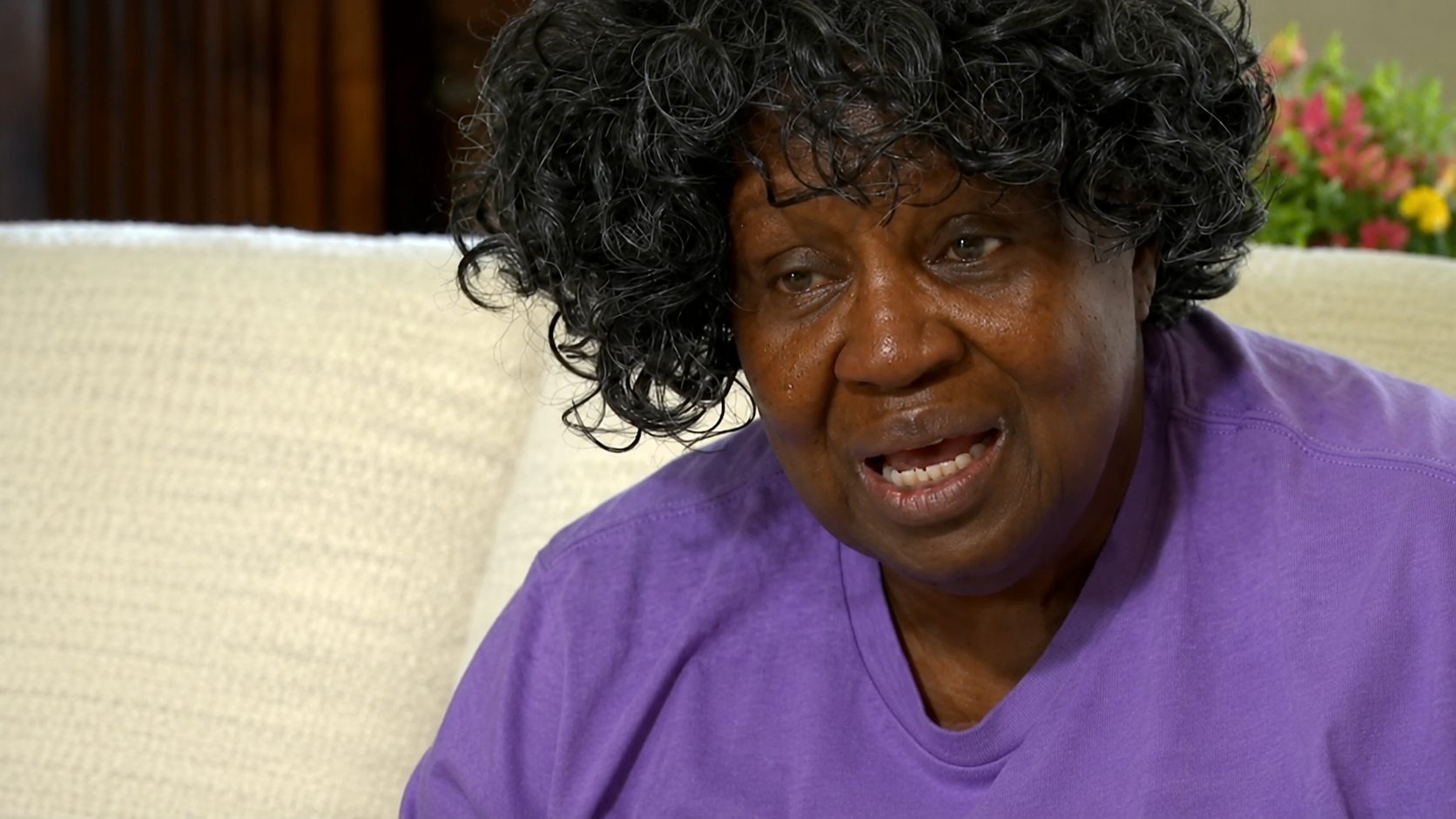
An alleged Publix fentanyl mixup left 78-year-old Decatur, Georgia resident Betty Thomas seriously ill and fearing that she may lose her life.
According to 11Alive, Thomas says she unknowingly used fentanyl patches for 18 days after a Publix pharmacy allegedly handed her medication prescribed for a different customer.
Thomas reportedly went to the pharmacy expecting to receive her hormone medication. She instead received fentanyl patches bearing the name Betty Davis. Thomas believed the patches were connected to her hormone treatment and began using them without realizing she had been given a powerful opioid intended for someone else.
The mixup did not become clear immediately. Thomas became increasingly sick as the days passed. She described experiencing vomiting, nausea, dizziness, and severe constipation. Her son eventually arrived to take her to the hospital and noticed that the name on the prescription did not match his mother’s name.
The discovery terrified the family because Thomas’s children had recently lost their father. Thomas said they were suddenly facing the possibility of losing their mother as well. Her granddaughter, Deanna Thomas, recalled that the family feared Betty would not survive the medical emergency.
The medication at the center of the situatiom carries serious warnings. According to the Food and Drug Administration, fentanyl patches are designed for opioid tolerant patients who require continuous, long term treatment for severe pain. The patch releases fentanyl through the skin and is generally replaced once every three days. The FDA warns that unintended exposure can slow a person’s breathing, reduce oxygen in the blood, and cause death.
According to MedlinePlus, fentanyl patches may cause serious or life threatening breathing problems, particularly during the first 24 to 72 hours of treatment. The federal health resource also lists nausea, vomiting, dizziness, fainting, drowsiness, and constipation among the possible effects associated with the medication. MedlinePlus warns that fentanyl patches can harm or kill people for whom the medication was not prescribed.
Thomas survived, but her family says the response they received afterward only deepened their frustration. The family said Publix sent an email on July 7 offering Thomas $4,000 to compensate her and cover medical expenses. Deanna Thomas described the offer as a “slap in our face” and claimed the company said the amount exceeded a standard payment of $750.
The situation raises questions about what safeguards were used before the prescription reached Thomas. According to the Agency for Healthcare Research and Quality, wrong patient errors can occur when pharmacy workers fail to confirm two identifying details, such as a patient’s full name and date of birth. AHRQ recommends using two patient identifiers, counseling patients about newly filled medication, maintaining error reporting systems, and training staff to follow safety procedures consistently.
AHRQ also explains that pharmacy mistakes should not always be viewed as the actions of one careless worker. According to the agency’s patient safety analysis, human errors can be influenced by high workloads, interruptions, weak communication, inadequate staffing, and poorly designed systems. Safety procedures are supposed to create several opportunities to catch a mistake before the medication reaches a patient.
The danger presented by the mixup is not theoretical. Similar prescription errors have ended in death. According to The Irish Times, 73-year-old Margaret Corcoran died in Ireland after a blister pack intended for another pharmacy customer with the same first name was allegedly delivered to her home in October 2022.
Corcoran was found unresponsive six days after the delivery. She suffered a brain injury and died in the hospital 11 days later. A coroner returned a verdict of death by misadventure. The pharmacy later changed its storage procedures and required two staff members, including a pharmacist, to check prescription bag labels. Corcoran’s family settled a High Court action in 2025 without an admission of liability.
Another fatal medication case involved Gloria Dunn, a 75-year-old Utah woman. According to KSL, Dunn’s family alleged that she was prescribed metolazone, a diuretic, but a pharmacy sent methotrexate, a medication commonly used in chemotherapy. Workers at her assisted living facility allegedly administered the incorrect drug repeatedly.
Dunn experienced severe injuries for several weeks and died on August 27, 2018. Her family filed a wrongful death lawsuit against the pharmacy, the assisted living facility, and several health care providers. The allegations showed how a dispensing error can pass through multiple layers of care when no one questions why a patient is receiving an unfamiliar or unexpected drug.
Then, there was the death of Texas patient Ramon Vasquez. According to a British Medical Journal report, a pharmacist misread a handwritten prescription for the heart medication Isordil as a prescription for Plendil. Vasquez received the wrong medication with dosage instructions intended for the original drug. He suffered a heart attack and died several days later. A jury later attributed his death to the prescription error.
These cases do not establish what legally occurred in Thomas’s situation, but they show why pharmacy verification rules matter. According to AHRQ, incorrect medication, incorrect dosage, and incorrect directions are among the most common types of dispensing errors. Confirming the patient’s identity and explaining what a medication is supposed to treat can provide a final opportunity to catch a dangerous mistake.
Patients can also examine the name printed on a prescription, check the medication against what they expected to receive, and ask the pharmacist to explain unfamiliar pills or patches. Those personal checks should serve as added protection, not as a replacement for professional safeguards inside a pharmacy.
Thomas and her granddaughter turned the remaining fentanyl patches over to a police department for proper disposal. Thomas says her recovery will take time.
The final questions surrounding the Publix fentanyl mixup go beyond how the wrong package allegedly entered Thomas’s hands. Her family is asking how a prescription carrying another person’s name and a powerful opioid could reach an elderly woman who believed she was receiving hormone medication, and whether the response that followed matched the seriousness of what she survived.
