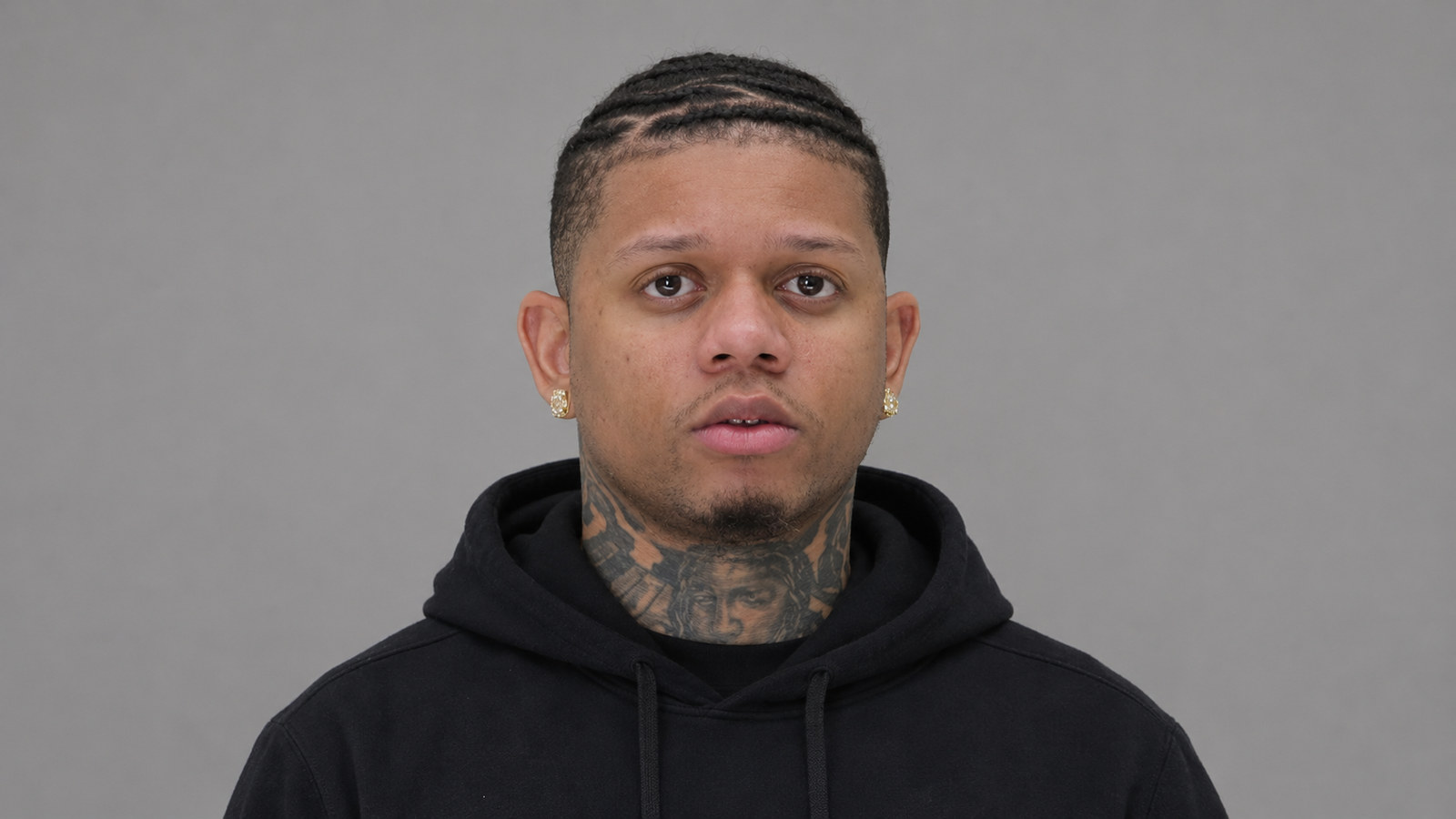
Yella Beezy’s guilty verdict in the murder of rapper MO3 followed weeks of testimony about a $40,000 payment, cellphone communications, surveillance footage, and witnesses who prosecutors said helped establish a murder-for-hire plot.
On Wednesday, November 11, 2026, a Dallas County jury unanimously convicted Yella Beezy, whose real name is Markies Conway, of capital murder. Judge Chika Anyiam sentenced the 35-year-old rapper to life in prison without the possibility of parole.
The conviction came exactly six years after MO3, born Melvin Noble, was fatally shot on Interstate 35 in Dallas.
Prosecutors argued that Conway arranged for Kewon White to kill MO3 following years of tension between the two rappers. However, the case wasn’t built around a recording of Conway ordering the murder. Instead, the prosecution relied on financial transactions, digital evidence, and testimony to connect him to the killing.
One of the prosecution’s biggest arguments centered on money.
Financial analyst Deanna Davenport testified about Conway’s bank accounts, which reflected approximately $1.44 million in revenue during 2020. Prosecutors focused on two separate $40,000 withdrawals, including one made on November 20, 2020, nine days after MO3’s death.
Investigators believed that withdrawal was connected to payment for the shooting.


Made to order and shipped to your door.
The defense challenged that interpretation, arguing that Conway regularly handled large amounts of cash because of his music career and financial responsibilities to family members.
Conway’s aunt, Stephanie Jones, testified that he routinely provided relatives with thousands of dollars for living expenses. His attorneys argued that withdrawing $40,000 did not establish that the money went to White.
Cellphone evidence became another major part of the trial.
Dallas Police Detective Eric Barnes presented records showing communications and movements involving Conway, White, and Jerry Johnson, whom prosecutors identified as an alleged middleman.
During closing arguments, prosecutor Tommy Adams highlighted 15 phone calls between Johnson and White during a period when Conway briefly returned to North Texas and withdrew cash.
Prosecutors argued that meetings involving Conway and Johnson were followed by calls to White, supporting their theory that the men were coordinating payment.
Investigators also examined November 22 communications and location records that prosecutors said placed several individuals at meetings connected to the alleged payout.
The defense disputed whether those records proved any money changed hands. Its digital forensics expert also acknowledged that cellphone activity cannot establish who was physically holding a device.
Witness testimony created some of the trial’s most contentious moments.
Theodore Thomas, a rapper known as Jose Bodega, had previously given grand jury testimony connecting Conway to an alleged $40,000 payment.
However, when confronted with those statements during trial, Thomas disputed his earlier account.
“That was a lie,” Thomas testified when questioned about previously identifying Yella Beezy and Trapboy Freddy as sources of the alleged payment.
Defense attorneys questioned his credibility and examined his extensive communications with Detective Barnes.
Another witness, Cedric Bradley, testified that White admitted shooting MO3 and complained about not receiving the promised payment. Prosecutors argued Bradley knew specific details about the shooting that supported his account.
The defense challenged Bradley’s credibility, pointing to his federal criminal exposure and potential incentives to cooperate.
Jurors also saw surveillance footage documenting the attack, along with evidence showing White’s movements before and after MO3’s death.
Investigators presented jewelry store footage showing White handling stacks of cash and digital records connecting him to other individuals involved in the investigation.
Prosecutors additionally introduced music videos and social media material to establish a possible motive involving Conway and MO3’s longstanding feud.
Defense attorneys argued the prosecution relied too heavily on lyrics, assumptions, and unreliable testimony. They also pointed toward a separate dispute involving MO3 and defendant Devin Brown, questioning whether investigators had fully explored alternative explanations.
In his final arguments, Adams urged jurors to consider “motive, money, and the man.”
The jury ultimately accepted the prosecution’s case and convicted Conway of capital murder involving payment or the promise of payment.
White was separately convicted in September 2026 and sentenced to life without parole. Brown faces separate capital murder proceedings.