

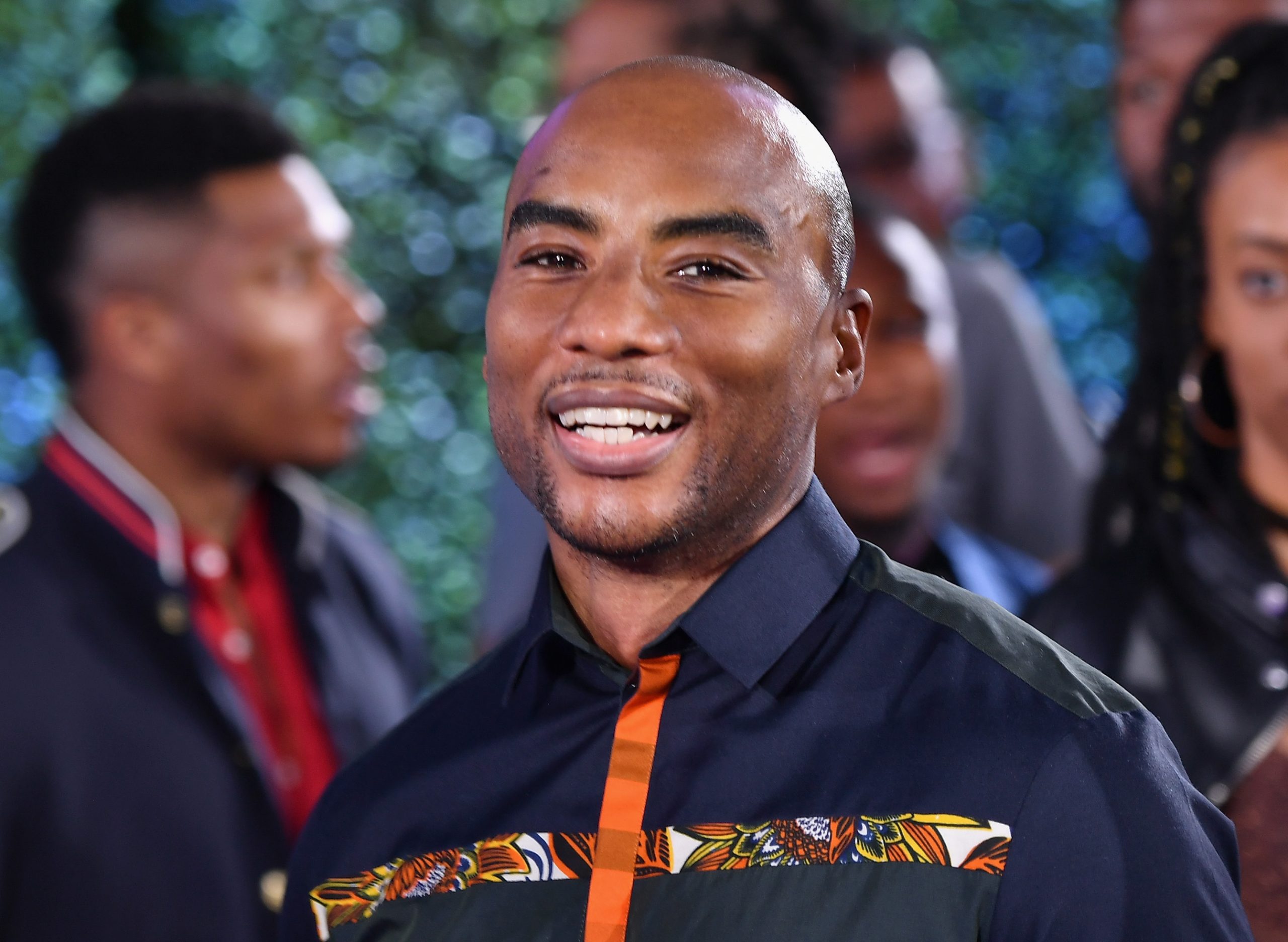
Charlamagne tha God used his podcast Brilliant Idiots to take apart the Target boycott outrage aimed at Jay-Z, and his core point was simple: the anger is real but the logic does not hold up. He argued that people are furious at one of the most successful artists in history for doing something nearly every major act already does, and that the selective nature of the rage says more about how people feel about Jay-Z than it does about the boycott itself.
The backlash centers on a 30th anniversary edition of Reasonable Doubt, Jay-Z’s classic 1996 debut. The collector’s edition is a white double vinyl pressing priced at 40 dollars, sold as a Target exclusive, with preorders that opened around June 1 and a release set for June 26. The controversy comes from the partner, not the product. Target has faced an organized Target boycott since February 2025, after the retailer scaled back its diversity, equity, and inclusion programs following Trump’s return to office. Critics see Jay-Z lending his name and image to a company the community is actively pressuring.Charlamagne’s argument was built on receipts. He pointed out that Target exclusives are routine for nearly every major artist, and the record backs him up. Kendrick Lamar’s GNX was a Target exclusive. J. Cole’s The Fall-Off, released this February, was a Target exclusive. Taylor Swift regularly drops Target exclusive editions, and he noted Nicki Minaj did the same with Pink Friday. His point was that the Target boycott has been running for more than a year, and those albums came and went without anyone calling their artists sellouts. He wondered aloud why the smoke is reserved for Jay.
He also questioned what makes the release an exclusive in the first place. As he broke it down, the only thing setting the Target version apart is the color, because the vinyl is white. A standard black vinyl edition of the same album is available through the Roc Nation store for the same 40 dollars, which means no fan is being forced to cross a picket line to own the music. To Charlamagne, that detail undercuts the idea that buying the album requires betraying the Target boycott, since the album is available in multiple places and only one specific colored variant lives at the retailer.
Then he zoomed out to what he sees as the deeper inconsistency. Target was far from the only company to gut its diversity programs. Google, Meta, Amazon, Lowe’s, and McDonald’s all rolled back DEI commitments in the same window, yet the movement focused its energy on Target alone. Charlamagne said he keeps asking for the logic behind singling out one retailer while continuing to do business with every other corporation that made the same decision, and that no one has given him a clean answer. That selective focus, in his view, is the same flaw running through the entire Target boycott.
The leadership picture has only made his case easier to argue. The nationwide Target boycott was launched in February 2025 by Minnesota organizers, and Atlanta pastor Jamal Bryant later amplified it with a 40 day Target Fast during Lent. In March 2026, Bryant declared his fast over, then clarified that the fast had ended but the boycott had not, a distinction Charlamagne admitted he did not even understand. Civil rights attorney Nekima Levy Armstrong pushed back that Bryant had no authority to end anything and that the boycott continues. Charlamagne added that figures he respects, including Tamika Mallory and Nina Turner, have said the boycott is still on, while the original organizers ended up beefing with the very leaders amplifying it. His takeaway was that at some point the whole thing started to look unserious.
That fed into a broader riff about misplaced outrage. Charlamagne joked about the conspiracy theories he grew up watching, the ones insisting hip hop was secretly run by the Illuminati, and said the real power was never sitting in a recording booth. He pointed to Elon Musk reaching a trillion dollars and argued there is no bar Jay-Z could ever rap that carries more influence than what Musk can do with the push of a button. The actual machinery of power, in his framing, is corporate and financial, not a rapper putting cryptic lines in a verse, and aiming the culture’s anger at musicians lets the real players off the hook.
His bluntest line summed up the mood around the whole situation. Charlamagne said people have Jay-Z derangement syndrome, a reflexive anger that flares up the moment his name is attached to anything, regardless of whether the same standard gets applied to anyone else. He was careful to say the boycott itself can be valid and that people have every right to keep their dollars away from Target. His issue is with the inconsistency, the fake outrage, and a movement that cannot agree on its own rules while reserving its harshest energy for one man. With the vinyl dropping June 26 and Jay-Z’s Reasonable Doubt anniversary shows headed to Yankee Stadium in July, the debate is not going anywhere, and Charlamagne made clear he is not pretending the math adds up just because the anger is loud.
