

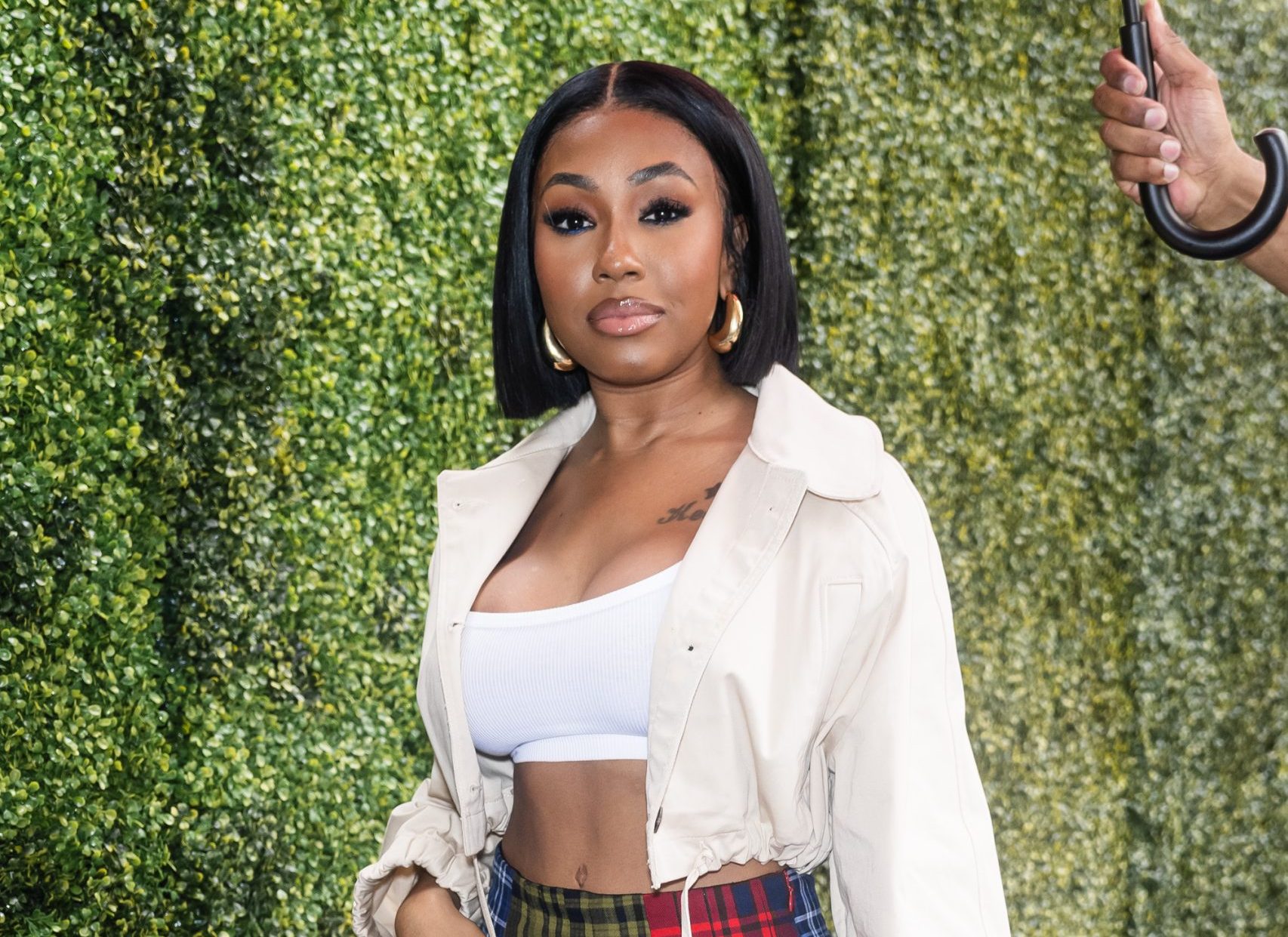
If you saw headlines this week about Yung Miami signing with WME and thought, okay, but what does that actually mean, you are not alone. Talent agency signings get treated like massive career milestones in entertainment news, but for anyone outside the industry, it can look like just another headline without much context. Here is what WME actually is, why landing a deal with them matters, and who else is already on their roster.
View this post on Instagram
WME stands for William Morris Endeavor, and it is one of the oldest and most powerful talent agencies in the entertainment industry. The agency’s roots trace all the way back to 1898, making it the longest running talent agency still operating today. In 2009, the original William Morris Agency merged with a company called Endeavor to form WME as we know it now, and in 2014 the agency made another massive move by acquiring IMG, a global leader in sports, fashion, and live events, which expanded its reach far beyond just actors and musicians. Today WME represents thousands of clients across film, television, music, sports, fashion, and digital content, and it is considered one of the “big four” talent agencies in Hollywood, alongside CAA, UTA, and ICM Partners.
So what does an agency like this actually do for a client? At its core, a talent agency negotiates deals on behalf of its clients, whether that is a film role, a brand partnership, a music deal, a hosting gig, or a licensing opportunity.
But the real value goes beyond negotiating a paycheck. A major agency like WME has relationships across every corner of the industry, which means they can get a client’s name in rooms and in front of decision makers that would otherwise be nearly impossible to access on your own. They also help build out long term strategy, figuring out which opportunities actually build a sustainable career versus which ones are just a quick payday.
For Yung Miami specifically, this signing lands at a genuinely strategic moment. She already has a hit single on her hands with “Spend Dat,” which has been climbing the Billboard charts and even landed her a performance slot at the New York Knicks’ championship parade. On top of the music, her podcast “Caresha Please” has become a certified hit in its own right, earning a BET Hip-Hop Award for Best Hip-Hop Platform and racking up more than fifty million views on YouTube since it launched. She has also built out a business side to her brand with her Resha Roulette card game, which became the number one drinking game on Amazon and sold out shortly after release. With her upcoming solo debut album set to release on the newly relaunched Uptown Records, WME representation gives her a team built to negotiate opportunities across music, television, and business ventures at a scale that matches everything she already has in motion. That is really the value of a signing like this. It is not about launching a career from nothing, it is about giving an already thriving one the infrastructure and leverage to grow even further.
To understand just how big of a deal signing with WME really is, it helps to know who else is already on their client list. The agency represents some of the biggest names across every industry, including Beyoncé, Rihanna, Oprah Winfrey, Dwayne “The Rock” Johnson, Serena Williams, and LeBron James, along with major filmmakers and comedians who shape entire release calendars every year. Being placed on a roster alongside names like that instantly changes how the industry perceives a client, and it often opens doors that simply were not available before.
WME is not the only major player in this space either. CAA, or Creative Artists Agency, is considered WME’s biggest rival and represents its own massive roster of A-list talent. UTA, or United Talent Agency, has built a strong reputation particularly in digital and social media talent representation, while ICM Partners rounds out the group as another major force in film, television, and literary representation. Most major celebrities end up with one of these four agencies, and which one they choose often comes down to relationships, specialization, and which agency’s vision for their career matches what they are actually trying to build.
Yung Miami is not the only recent name to join WME’s roster either. “Love Island USA” season 8 winner Trinity Tatum signed with the agency just days after her season wrapped, with WME already positioning her for opportunities across fashion, modeling, and digital content while she navigates the one year exclusivity clause that limits which TV projects “Love Island” contestants can take on right after the show ends.
At the end of the day, a signing like this is not just a headline moment, it is a strategic business decision. For Yung Miami, landing with WME signals that major players in the industry see long term value in everything she has already built, and it gives her access to a level of opportunity, leverage, and business infrastructure that is extremely difficult to access without that kind of representation behind her.
